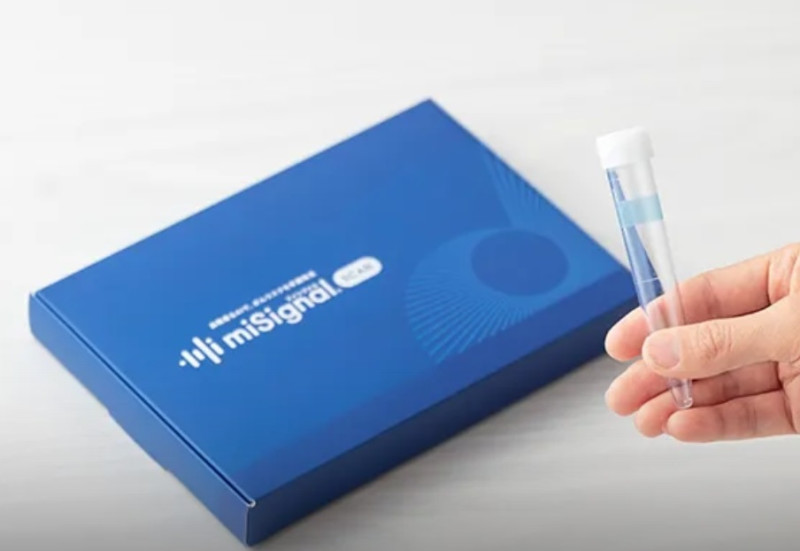
A URINE-based cancer screening kit developed by Japanese startup Craif Inc. has demonstrated encouraging results in detecting early-stage cancer non-invasively, according to a report by Kyodo News.
Craif Inc., a spin-off from Nagoya University established in 2018, has designed the “miSignal” test kit to assess the risk of up to seven cancer types using only a small urine sample. Unlike conventional methods, the kit requires no blood draw and is intended to be accessible even in areas with limited healthcare infrastructure.
The company distributed 100 free kits to residents in towns across Hokkaido between March 2024 and March 2025. The findings from this pilot initiative were shared during the Japanese Association for Chest Surgery’s annual meeting in May.
“We were able to detect and treat cancer that was difficult to find by X-ray,” said Professor Tatsuya Kato of Hokkaido University Hospital. He noted the particular value of such technology in rural or under-resourced regions like Hokkaido.
The kit works by detecting microRNA — a biomarker closely associated with early-stage cancer development — to assess risk in organs including the lungs, colon and pancreas.
Among individuals over 60 who had not undergone lung cancer screening in more than five years, the kit flagged a lung tumour in one woman, which led to further medical investigation and successful surgery. The diagnosis was “Stage 0” adenocarcinoma in situ — a non-invasive cancer that might otherwise have gone unnoticed.
Additionally, Craif reported that precancerous conditions in the colon and pancreas were identified in six other participants.
Cancer remains a leading health concern in Japan, where one in two people is expected to develop the disease in their lifetime. According to the National Cancer Centre Japan, one in four men and one in six women will ultimately die from it. - June 22, 2025