BRIEF episodes of “microsleep” at the wheel account for an estimated 20 per cent of road accidents in Malaysia each year, including fatal crashes, according to the head of the Malaysian Institute of Road Safety Research.
Associate Professor Dr Siti Zaharah Ishak, director-general of MIROS, said the phenomenon — in which motorists fall asleep for a few seconds without realising it — is primarily caused by fatigue, exhaustion and disruptions to the body’s biological clock.
The risk intensifies during festive seasons, when long-distance travel, extended hours behind the wheel and changes in driving patterns are common.
“Microsleep occurs when we drive in a state of unconsciousness for a brief moment. Sometimes we can identify drivers experiencing microsleep with their eyes open but in an unconscious state for between two and 10 seconds,” she said during the Apa Khabar Malaysia programme titled ‘Microsleep – Managing Fatigue, Reducing Accidents’ on Bernama TV today.
Siti Zaharah noted that accident risks rise sharply during festive periods, which often coincide with school holidays. Projections by the Malaysian Highway Authority indicate that more than two million vehicle movements are recorded on highways during such peak travel windows.
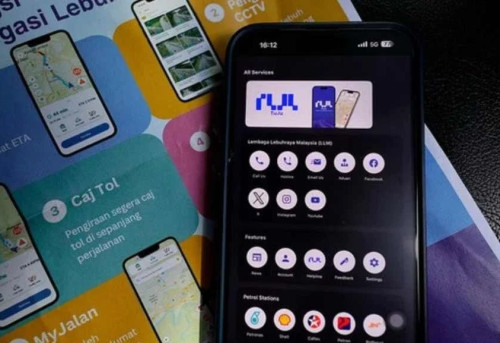
She said early warning signs of microsleep include frequent changes in seating position and inconsistent vehicle speed, signalling the need for drivers to obtain adequate rest, plan journeys using travel applications and stop immediately if drowsiness sets in.
“On average, a person needs seven hours of sleep to ensure the body is truly refreshed, but the quality of sleep is more important than its duration. If feeling drowsy while driving, motorists are advised to stop and rest at Rest and Service Areas along the highway,” she said.
In addition, she recommended that drivers briefly open their windows for fresh air and, if necessary, interact with surrounding vehicles by flashing headlights or sounding the horn when experiencing fatigue — measures that may also alert other motorists facing similar symptoms.
Siti Zaharah added that MIROS continues to assess vehicle technologies, including identifying Advanced Driver Assistance Systems in new cars equipped with lane departure warnings and automatic emergency braking, in efforts to enhance road safety standards and positively influence driving behaviour. - February 20, 2026