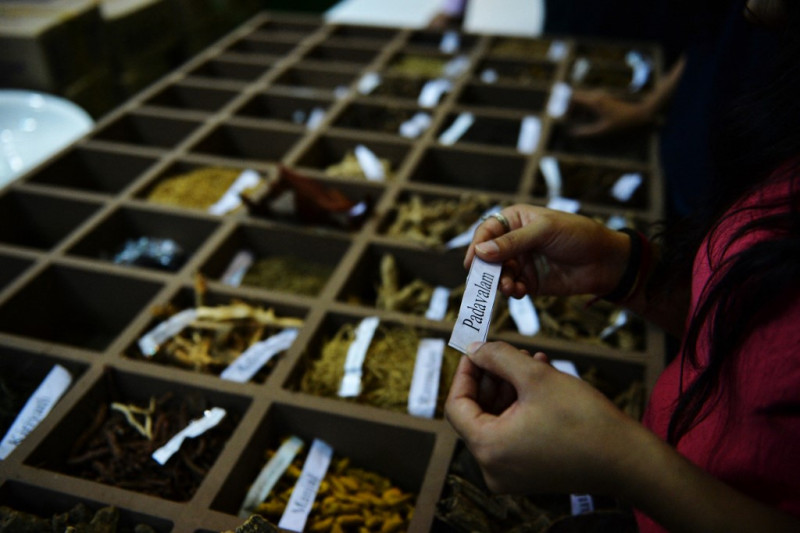
UNREGISTERED herbal medicines and restricted pharmaceutical products are being widely sold through online platforms and informal networks in Malaysia, with some sellers admitting that lax oversight allows them to operate with few questions about certification or safety.
One traditional medicine practitioner based in Kelantan said she produces and sells homemade slimming remedies online, including a product she calls “red pills”.
“I make herbal concoctions and pills for slimming. I named it the red pill. Sales have been great. People would buy them,” The Star reported her saying on Saturday.
The practitioner, who declined to be named, said demand for traditional remedies remains strong, particularly when products are sold at low prices.
“When the price is low, there is a market for it. Buyers want cheap products. I make a good profit from just selling this homemade medicine online,” she said.
She also acknowledged that social media platforms impose limited restrictions on such sales, allowing sellers to market products with minimal scrutiny over certification or regulatory approval.
However, she declined to comment when asked whether customers had reported any side effects from the pills.
Checks on several e-commerce platforms revealed that a wide range of herbal and so-called natural products, including pills, powders and creams, are readily available online.
Many are promoted as having no side effects and are often sold without labels or clear ingredient information.
Some are marketed as homeopathy medicines purported to treat conditions such as piles, skin diseases and tonsillitis.
In a separate case, a foreign worker who identified herself only as Leya said she sells abortion pills and morning-after pills that she brings into Malaysia from her home country.
“Sometimes their Malaysian friends would buy from me too. It is not easy to buy such pills here due to restrictions and the need for prescription,” she said.
“So, they self-prescribe and they come to me when they are desperate to prevent pregnancy.”
She said the medication is usually concealed in luggage when entering the country.
“The boxes are usually hidden carefully among clothes in my suitcase or decanted and kept in vitamin bottles to evade airport security,” she said.
“It helps me earn an extra income in Malaysia as I am able to get these medicines for a cheap price in my country.”
Medical groups say the situation highlights the widespread presence of counterfeit or unregistered traditional medicines in the market.
Federation of Chinese Physicians and Acupuncturists Associations Malaysia president Prof Dr Ng Po Kok said consumers should verify whether such products are officially registered with the Health Ministry.
“We advise the public to check whether the products are registered with the Health Ministry. Look for the MAL registration number,” he told The Star.
He cautioned consumers against purchasing traditional medicines from roadside stalls, door-to-door vendors or some online platforms.
“If they wish to take traditional medicines, it is recommended that they first consult a licensed and registered TCM practitioner recognised by the Health Ministry to ensure safe usage,” he said.
According to Ng, counterfeit products most commonly claim to treat rheumatism or relieve pain among elderly patients.
“Many of these are locally produced counterfeits,” he said.
He also called on the Health Ministry to strengthen enforcement against the illegal importation of traditional medicines and expand public awareness campaigns to help consumers identify registered products.
Meanwhile, Coalition of Traditional Malay Medicine Practitioners Association Malaysia founder and president Assoc Prof Adzhar Latif said unregistered remedies typically appear in the form of tablets, capsules, powders or liquids.
He noted that certified practitioners can prepare and dispense certain formulations directly to patients.
“We compound it. We can do it ourselves and dispense it to the patient,” he said. - March 7, 2026