THE Ministry of Health (MOH) has recorded a significant increase in dengue infections and fatalities this year, with health authorities reporting nearly 39,000 cases and 30 deaths by the end of June, although the Ministry of Health (MoH) maintains that the situation remains consistent with the country's normal seasonal transmission patterns.
According to the ministry, 38,854 dengue cases were reported up to 27 June, representing a 29.1 per cent increase compared with the same period last year. Dengue-related deaths also rose from 18 to 30, an increase of 66.7 per cent.
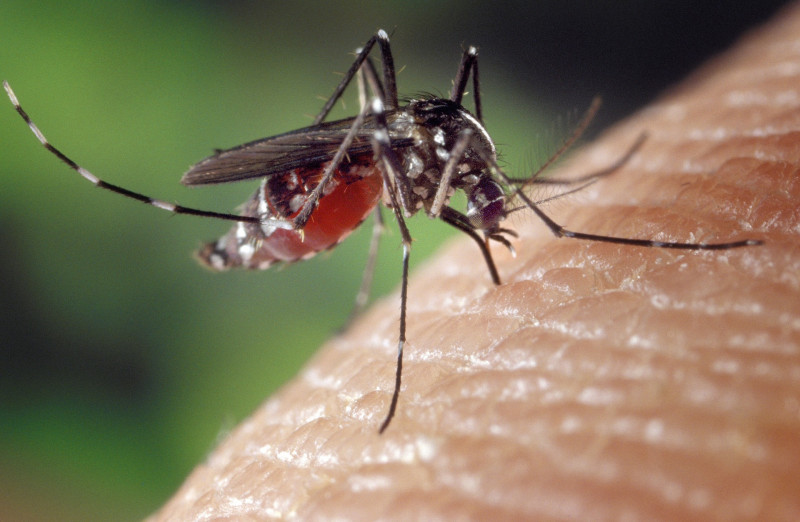
The ministry attributed the rise primarily to a change in the dominant dengue virus serotype from DENV-2 to DENV-3, together with rapid urbanisation, favourable climate conditions, persistent mosquito breeding sites and increased population movement.
"The ministry does not base its public health interventions on fear, but rather on data-driven assessments and scientific evidence," a ministry spokesman said.
The spokesman said epidemiological assessments showed that the increase did not represent an abnormal departure from Malaysia's cyclical dengue transmission pattern, with higher infection rates concentrated mainly in several rapidly developing states where construction activities have created favourable breeding conditions for mosquitoes.
To curb transmission, the ministry has instructed state and district health authorities to intensify vector-control operations, including targeted fogging, expanded Targeted Outdoor Residual Spraying (TORS) in persistent hotspots and greater community participation through the Komuniti Bebas Denggi (KomBeD) programme.
The ministry is also strengthening its digital disease surveillance system by incorporating predictive technologies that analyse climate, rainfall, temperature and geospatial information to identify high-risk areas and detect potential outbreaks earlier.
The spokesman said Malaysia continues to exchange surveillance data and public health strategies with Singapore, Thailand and other ASEAN member states, noting that dengue remains a regional public health concern.
Although Malaysia's dengue incidence rate currently exceeds those reported in Singapore and Thailand, he said all three countries continue to experience manageable levels of transmission.
The ministry also stressed that existing healthcare resources remain sufficient to manage the current caseload and can be expanded if required.
Health authorities urged members of the public to play their part by eliminating stagnant water around homes and workplaces to prevent mosquito breeding and to seek immediate medical attention if they develop symptoms associated with dengue infection. - July 6, 2026