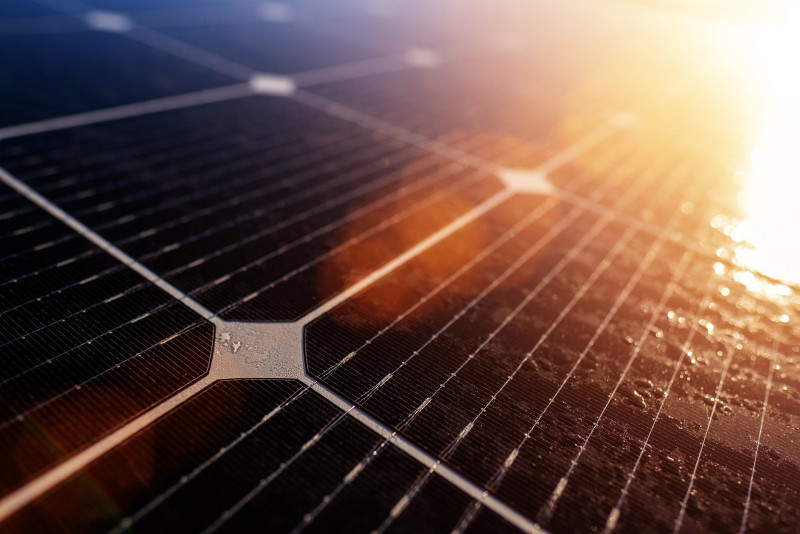
SINGAPORE’S investments in solar energy saved an estimated US$97 million (about RM310 million) in fossil-fuel import costs over five months in early 2026, helping shield the city-state from higher energy prices triggered by the Strait of Hormuz crisis, according to a report by the Centre for Research on Energy and Clean Air (CREA).
Nearly all the savings came from avoided natural gas imports, including about US$40 million in additional costs that Singapore would otherwise have incurred from the premium on gas caused by the Hormuz disruption, according to the Finland-based independent research organisation.
CREA analyst Isaac Levi said the savings demonstrated the economic benefits of Singapore’s expansion of solar power, although the figures were modelled estimates based on wholesale prices.
“(The savings) demonstrate the benefits of Singapore’s solar expansion programme,” Levi told The Straits Times in an email interview.
The savings, however, were small compared with the broader cost of Singapore’s reliance on imported fossil fuels. CREA estimated that the country incurred US$8.1 billion in additional gross fossil-fuel costs during the six months following the outbreak of the US-Iran war, ranking it 13th among 171 territories analysed.
Singapore generates more than 95 per cent of its electricity from imported natural gas, leaving its power sector exposed to global fuel-price volatility.
The report, co-authored by CREA’s Luke Wickenden and Lauri Myllyvirta, found that Asian liquefied natural gas prices averaged 75 per cent above levels expected by pre-war futures markets during the first six months of the conflict, while European LNG prices were 60 per cent higher.
The disruption to shipments through the Strait of Hormuz, a key maritime chokepoint that previously carried about 20 per cent of global oil and LNG flows, drove the surge in energy costs.
Singapore has expanded solar deployment since 2020, with solar now accounting for about 2 per cent of its electricity needs. The country raised its solar deployment target in February from 2 gigawatt-peak (GWp) to 3 GWp by 2030 after achieving its earlier target in 2025.
Even at 3 GWp, solar is expected to account for only about 4 per cent of Singapore’s total electricity demand by 2030.
Levi said further investment in non-fossil fuel sources could reduce Singapore’s exposure to volatile global fuel prices, including through rooftop and floating solar, battery storage, energy efficiency, offshore wind where feasible and renewable electricity imports.
“Regional power trading could give Singapore access to lower-cost renewable electricity from neighbouring countries when global LNG prices spike,” Levi said.
“Regional cooperation on storage and grids helps at the margins, but the only real hedge against a shock like this is importing less fossil fuel in the first place.”
The report estimated that Southeast Asia collectively incurred US$13.9 billion in net costs from the energy crisis, making it the fourth-highest-cost region among 11 regions analysed.
Singapore’s position as a major refining and transhipment hub nevertheless provided an economic buffer. CREA estimated that the country recorded a net gain of about US$500 million over the six months following the disruption.
Levi said Singapore paid about US$3.5 billion more for crude oil and LNG imported for its own account and US$4.6 billion more for diesel, petrol and jet fuel imported as feedstock or for blending.
However, higher crisis-related prices for its fuel exports helped offset those costs. Diesel and petrol exports generated about US$7.7 billion more than they would have at pre-crisis prices, according to the report.
Singapore’s Energy Market Authority said Southeast Asia could reduce its exposure to global oil and gas price volatility by developing renewable resources and strengthening regional electricity interconnections under the ASEAN Power Grid.
The authority said the Middle East conflict had translated into higher local electricity prices because Singapore’s natural gas prices are largely linked to oil prices under commercial contracts.
It said Singapore was also exploring geothermal energy, advanced nuclear technologies, hydrogen and ammonia as part of efforts to strengthen energy security and reduce the carbon footprint of its power sector. - September 21, 2026