TODAY, we remember one of the oldest recorded diseases in the world. It is an illness that causes dense scarring of skin, disfigurement and loss of limbs – leprosy.
Caused by bacillus mycobacterium leprae, lepers are usually regarded as castaways that live at the periphery of civilisations and communities. They are required to alert people of their presence and often ask for alms, living off what they can get.
There is evidence of a leper community in Penang, namely Thai Ko Hang, which when directly translated from the Penang Hokkien dialect is leprosy lane – where lepers once stayed.
Located within the George Town Unesco World Heritage Site, Thai Ko Hang is now known as Muda Lane.
According to Universiti Technology Malaysia (UTM) researcher and lecturer, Dr Lim Yong Long, strict segregation policies did not exist before the British colonised Malaya. However, restrictions were imposed after they colonised the Straits Settlements and the Federated Malay States.
“When the British came, they noticed that having lepers within the community projected a very negative image and that was why they imposed segregation policies to confine those with leprosy.
“They were put in prison-like settlements that were very inhumane,” he said.
One of the earliest and most established leprosariums was in the lush and green island of Pulau Jerejak, located just a short 10 minute ferry ride from the southeast corner of Penang island. It was completed in 1867 and started operating in 1871 with 25 lepers.
However, the community of lepers sent here grew, breaching 900 by 1927.
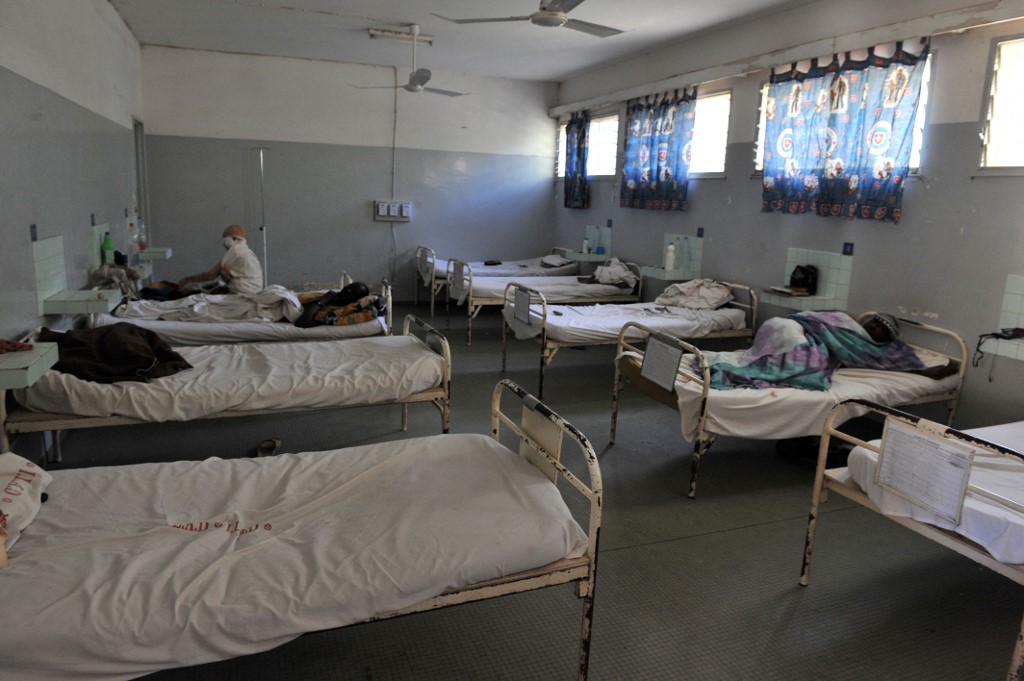
By 1969, six camps were built, scattered around the island. However, one of the most important was Camp 5 on the west side of the island, which was completed in 1936. Far from how the first two camps on the east were built, it was planned to be sustainable so lepers could freely enjoy socio-cultural events, practice their faiths, establish their own families and farm for food.
The Sungai Buloh leprosarium, also known as Leprosy Valley of Hope, completed in 1930, was built following the Camp 4 and 5 model at Pulau Jerejak.
According to Lim, when the British imposed the segregation policy, they imposed gender and race separation as well.
Lepers were divided into their settlements according to gender and race. A small settlement in Pulau Pangkor was predominantly habited by Malays. The British did not want to have two genders within the same area to prevent them to get along and later getting married.
In 1969, before Pulau Jerejak was turned into a high-security detention centre, the remaining 320 leprosy patients were transferred to Sungai Buloh.
By this time the British allowed the different sexes to mingle in social areas. Before long, marriages between lepers were allowed.
Unfortunately, children birthed by a leper were quickly sent out of the centre after birth to be adopted.
“These children they send for adoption in New Zealand and Australia, some of them are locals.
“A few years ago, some children actually came back to Sungai Buloh to find their biological parents. Some of them even had the opportunity to bring their children to Camp 5 at Pulau Jerejak to tell them how their lives were when they were there.
“There are a lot of memories there, and cemeteries. There is a lot of historical value,” he told the Vibes.
Lim believes that there are many lessons we can draw from how leprosy was managed with Covid-19. One of them is that segregation and policies that confine people impacts livelihoods, freedom and human rights.
“Before we impose anything like this, we need to consider the consequences of the decisions.
“Think about what has been done by looking back at history and work out better strategies.”
Unfortunately, there may be no history to look back on as developers have landed on Pulau Jerejak’s Camp 5 and it might cease to exist, as plans to demolish it are underway.
World Leprosy Day, which is celebrated on the last Sunday of January every year. – The Vibes, January 30, 2022