SAKE is the drink of choice in Japan, with over 1,500 sake breweries located all over the country, most of them family businesses passed down the generations and serving their local markets.
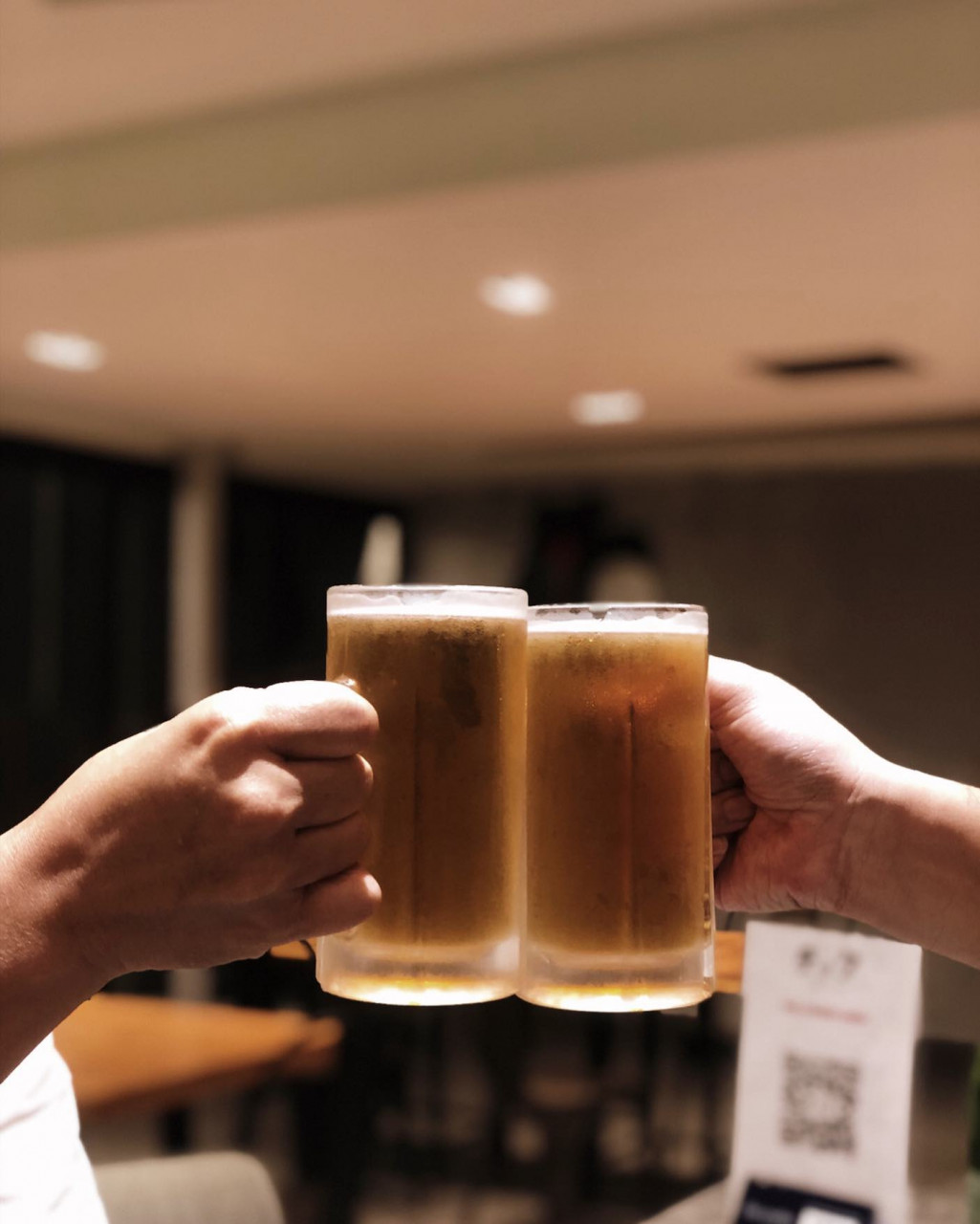
The rice-based beverage is adaptable, to say the least, able to be enjoyed chilled or warm, to be sipped leisurely or to be dumped theatrically into your (Japanese) beer of choice and chugged away during a loud night of merriment.
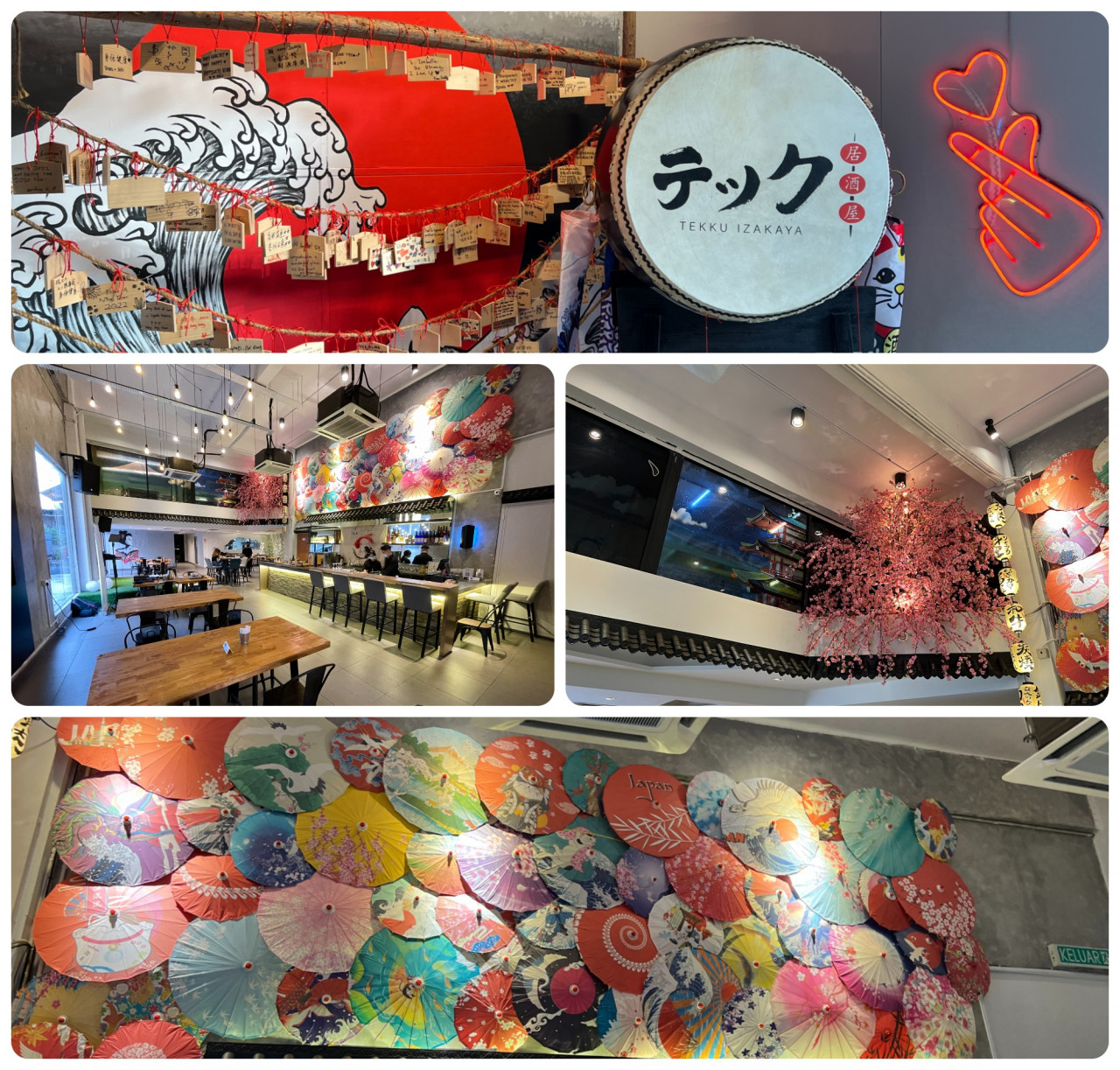
Recently, Saito Sake celebrated its fifth anniversary in Malaysia at the classy and well-appointed Tekku Izakaya in Kota Damansara. To mark this milestone, three types of sake were paired together with a selected menu, to highlight how the drink can complement various foods and tastes.
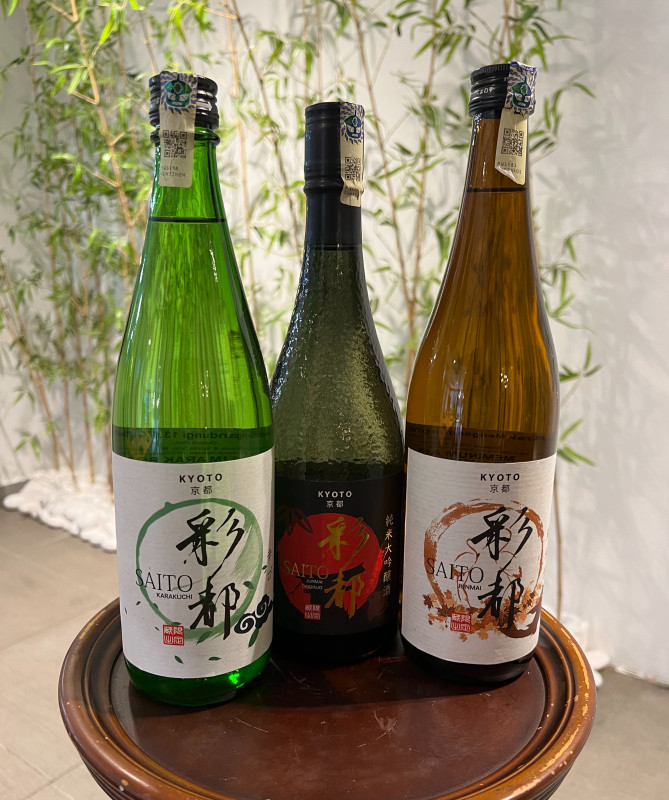
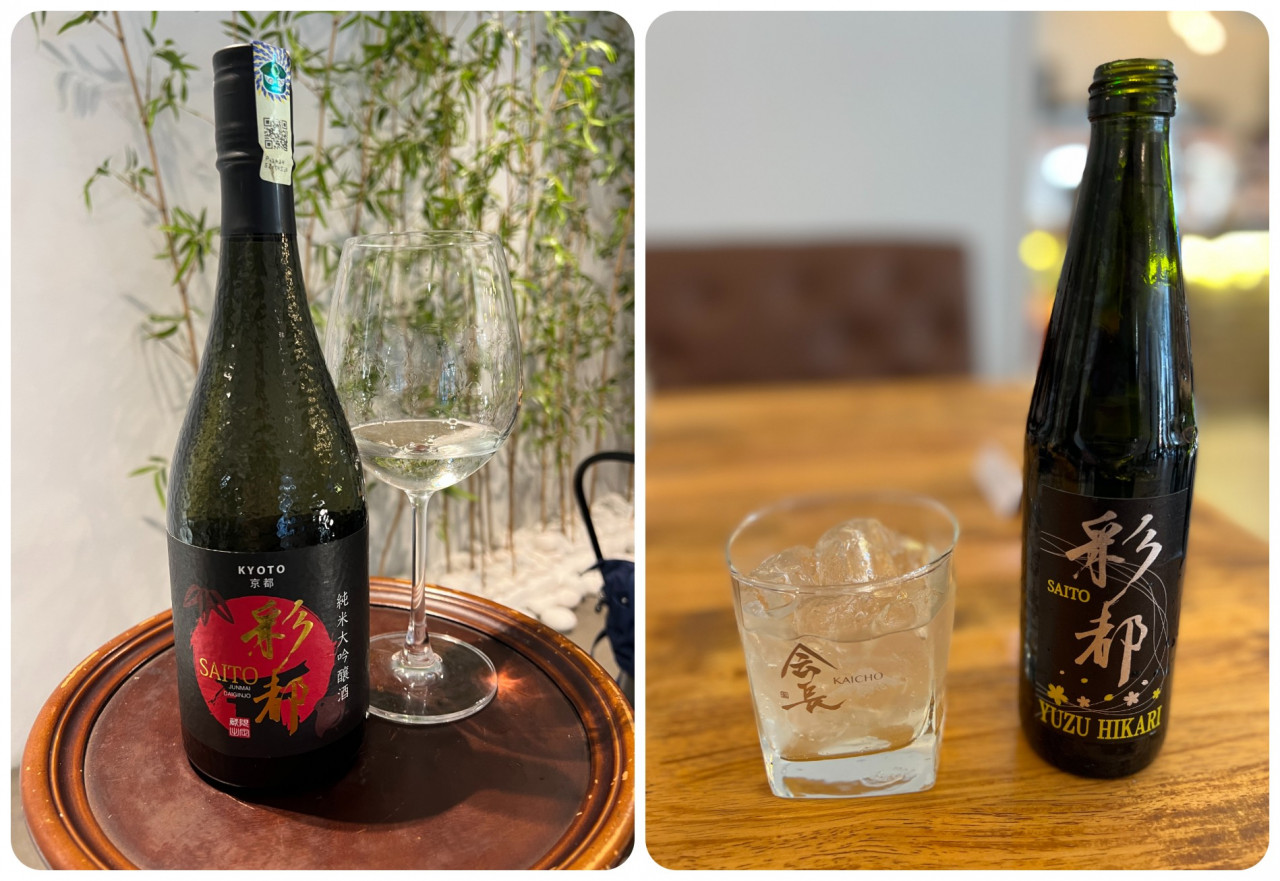
The three types of sake: Saito Dry Karakuchi, Saito Junmai and Saito Junmai Daiginjo, comprise Saito’s core range in Malaysia. These three have received newer, more modern labels as part of a brand refresh to appeal to a younger and more discerning consumer, in keeping with an ever-evolving industry.
“From the designs of each new label, we have been more bold with the illustrations to highlight the speciality of Japan like seasons change, koi fish, Japanese temple structure and more, to be more colourful and striking,” a Saito representative said.
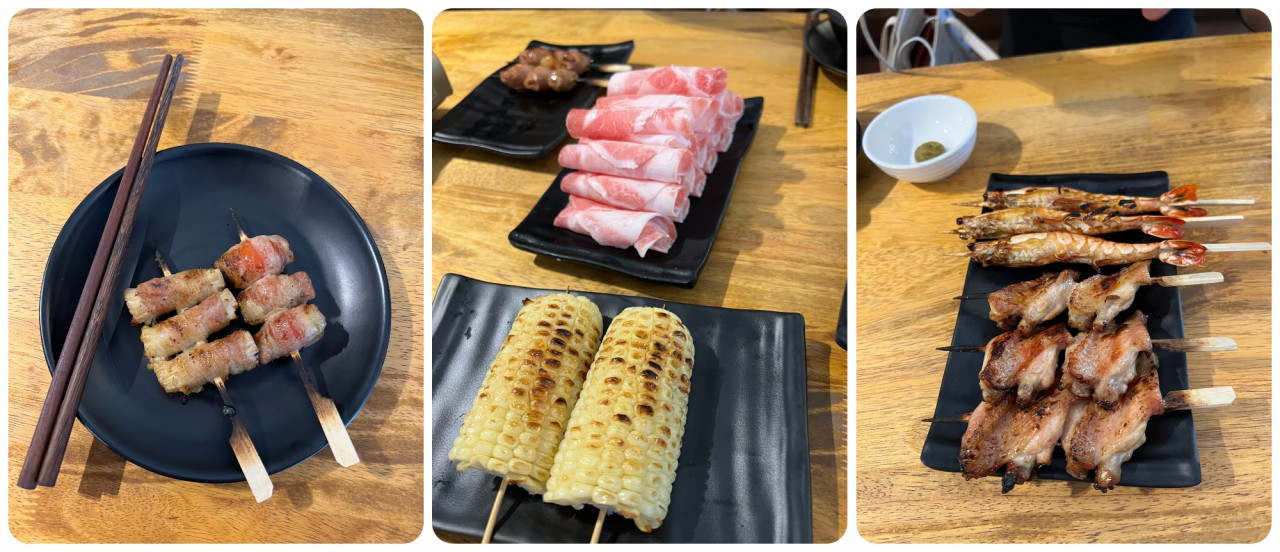
For those unfamiliar, the word izakaya is a combination of iru (to stay) and sakaya (sake shop), which means it’s meant to be a more laid-back type of place, so don’t be expecting sushi, just heaps of mouth-watering varieties of yakitori.
Up first is Saito Karakuchi, a dry and refreshing sake with a moderate aroma. It’s known as a table sake (or a table wine), but that doesn’t mean it’s of a lower quality or lacks complexity.
The tall, striking green bottle has a classic look to it that matches the taste – this is what you expect when you order sake at a restaurant, smooth and goes down all too easily.
The science and art behind sake
Not to get too technical, but a brand representative shared some facts on the process behind making sake over the course of the night, while said sake was imbibed (so forgive the hazy recollection).
The taste of sake was described as very umami, meaning it is very savoury (so that’s what umami means), which means it goes well with Japanese cuisine, such as what was served that night.
Of course, sake goes with other cuisines too, but that’s probably an area needed for further experimentation.
Sake is graded differently based on how much the rice is polished. It should also be stated that the rice used to make sake is different from the types of rice we all like to eat.
The purpose of polishing the rice is to get rid of the fats and proteins in the outer layer of the rice, and the more polished the rice, the more refined the taste of the finished product. Sake that are less polished have a more robust, more starchy and more creamy taste.
The grading starts from 20-30% polishing, all the way up to 99% for the most premium varieties.
Another important element is the water, as not all water is created equal. Saito Sake gets its water from Fushimi in Kyoto Prefecture, which is known for being iron-free and having a balance of minerals like potassium and magnesium that contribute to the quality of the sake.
They credit the water and climate for the smooth and clean feel of the alcoholic beverage.
On top of that refinement, some varieties of sake have an added distilled alcohol to add more character to it – though not to make it more alcoholic as one would assume. For example, the Karakuchi has added alcohol which gives it a dry grape character.
Sake that does not have added alcohol are called Junmai sake, or pure rice sake.
The taste of rice is slightly heavier in the Junmai, which is medium-bodied and has the fruity aroma of green apple with hints of acidity.
Back to drinking
Both the Karakuchi and the Junmai are recommended to drink warm or hot. During the event, they were served in wine glasses, which is not what you’d expect from a Japanese restaurant, but again this is done to appeal to a younger and more ‘modern’ prospective customer.
Apparently, it is also the way it is recommended to be served in Japan these days, too.
Bigger glasses mean the sake can be smelled differently, because there is more aeration with the increased surface area, and this is recommended to better experience the subtle flavours and notes. It has indeed been proven that drinks taste differently depending on what vessel they are served in.
The third sake offered, Saito Junmai Daiginjo, is a more premium beverage, and is recommended to be drunk while chilled. Being a Junmai, there is no added alcohol, making it a pure rice sake, but Daigingo means there is a lot of fruitiness in its character – namely banana, melon, or pear.
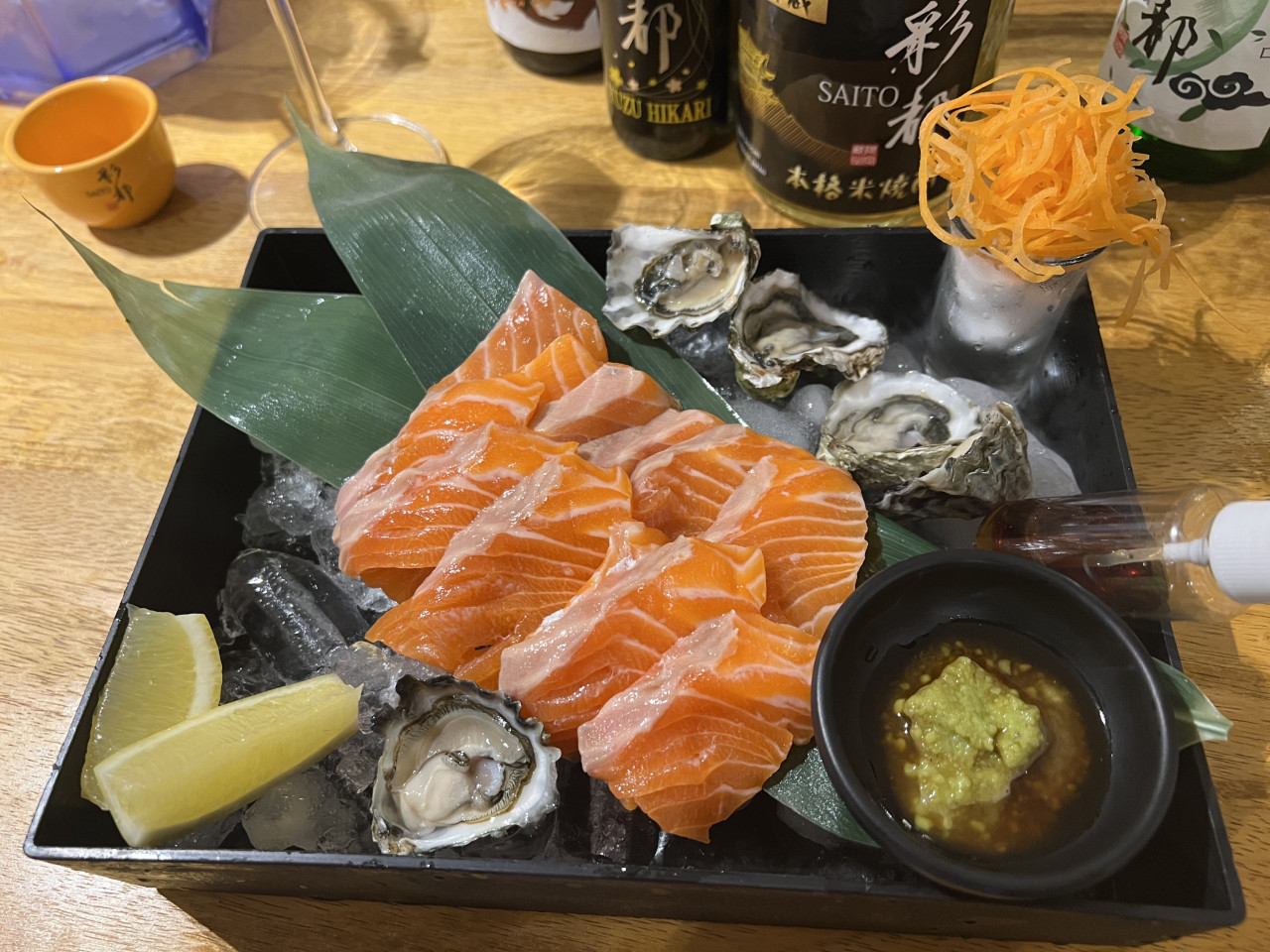
It is recommended to be paired with sashimi, sushi or any other light foods.
Really the big takeaway is the versatility of sake as a drink. It’s light and smooth – though that comes with risks, as it can sneak up on you if you’re not careful.
While wine and other spirits have long had a hold on the mainstream, being associated with certain dishes and occasions, there’s no reason quality sake shouldn’t take up space in one’s home bar. – The Vibes, September 1, 2022