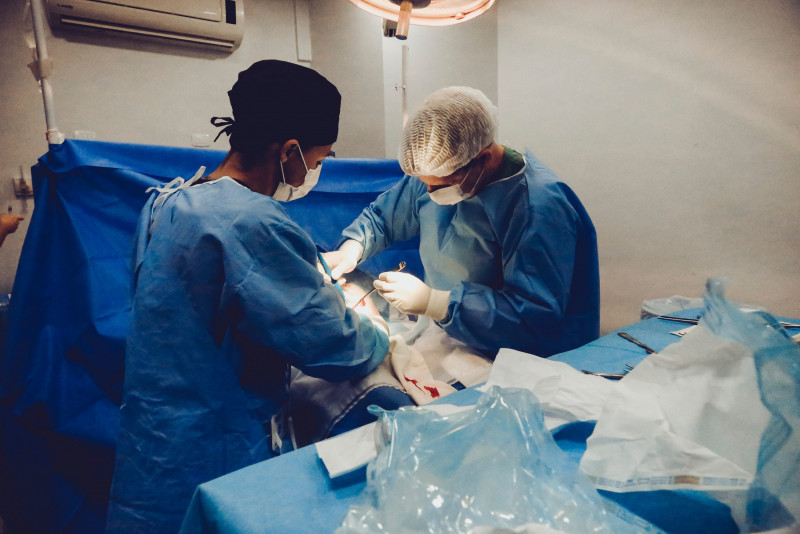

TWO doctors from India flew into Kuala Lumpur on one rainy day last week, spent just a few hours on the ground, but came with a telling message that there is hope for patients suffering from end stage liver complications, notably biliary atresia.
Biliary is rare but deadly and for infants born with it in Malaysia, the mortality rates are seven deaths out of 10 if there is no prompt intervention.
Early detection is literally a life saver, and a child's guardians can detect it through the supervision of their child's stool discharge, if the colour is unnaturally colourless then that may be a sign, with the specialists advise to seek medical attention immediately.
Unfortunately, most sufferers do not live past the age of three without a transplant and good supervision.
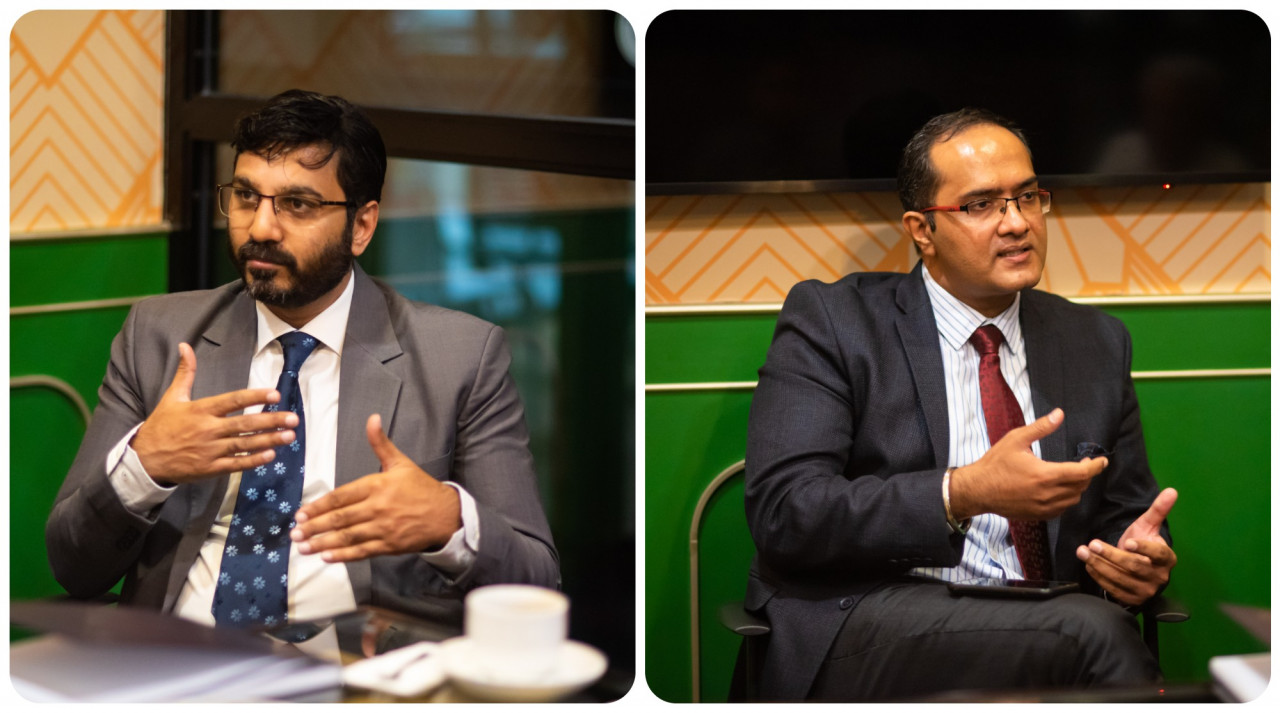
But for India's largest hospital chain Indraprastha Apollo senior consultant (liver transplant) Dr Neerav Goyal and Gaurav Thakral, who heads its international marketing, there is hope.
Costs are something negotiable when it comes to putting lives ahead of everything else.
Despite just spending a few hours in Malaysia, the duo took time to explain about how transplants can be done though finding the compatible donor is a big challenge.
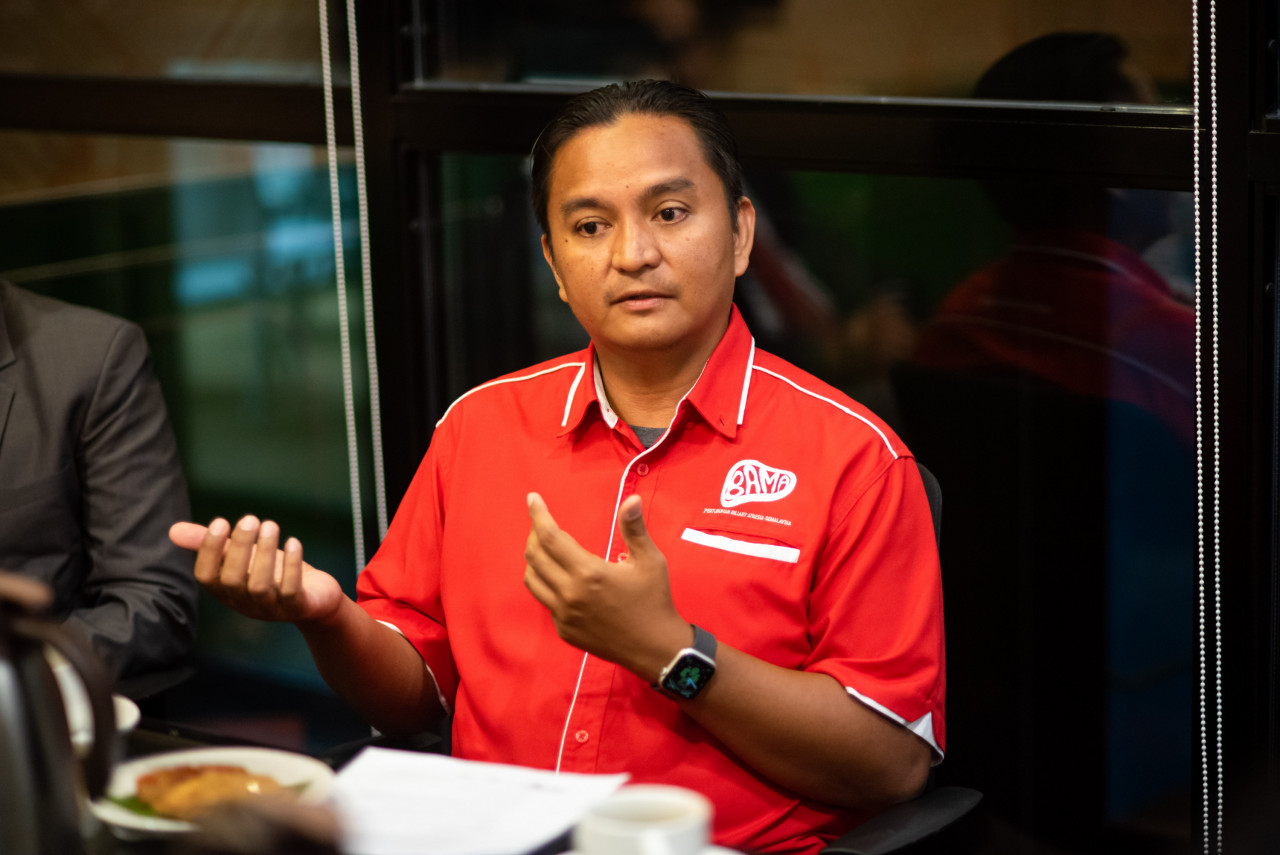
They joined forces with Biliary Atresia Malaysia Association chairman Muadzaffar Shah Ali, who underlined that the organ transplant process can be done regionally instead of just confined to within the country, which unfortunately has limited resources.
"Do not give up. Keep trying," said Muadzaffar, who reflected on his personal struggle.
It is a rare disease but in the Southeast Asia where biliary is prevailing for reasons largely unknown, the ratio is that it may afflict 20 out of 5,000 toddlers, who are born with this disorder where the blood vessels to the liver are impassable.
The survival rate after a transplant ranges from 75% to 85% based on Apollo's transplant centre studies, said Neerav, who added that early detection is crucial, illustrating the need to check the stools if one detects something amiss with the child.
"Do not mistaken it for jaundice as it is common for children to have it. But begin to check for something sinister if the jaundice persists despite medications."
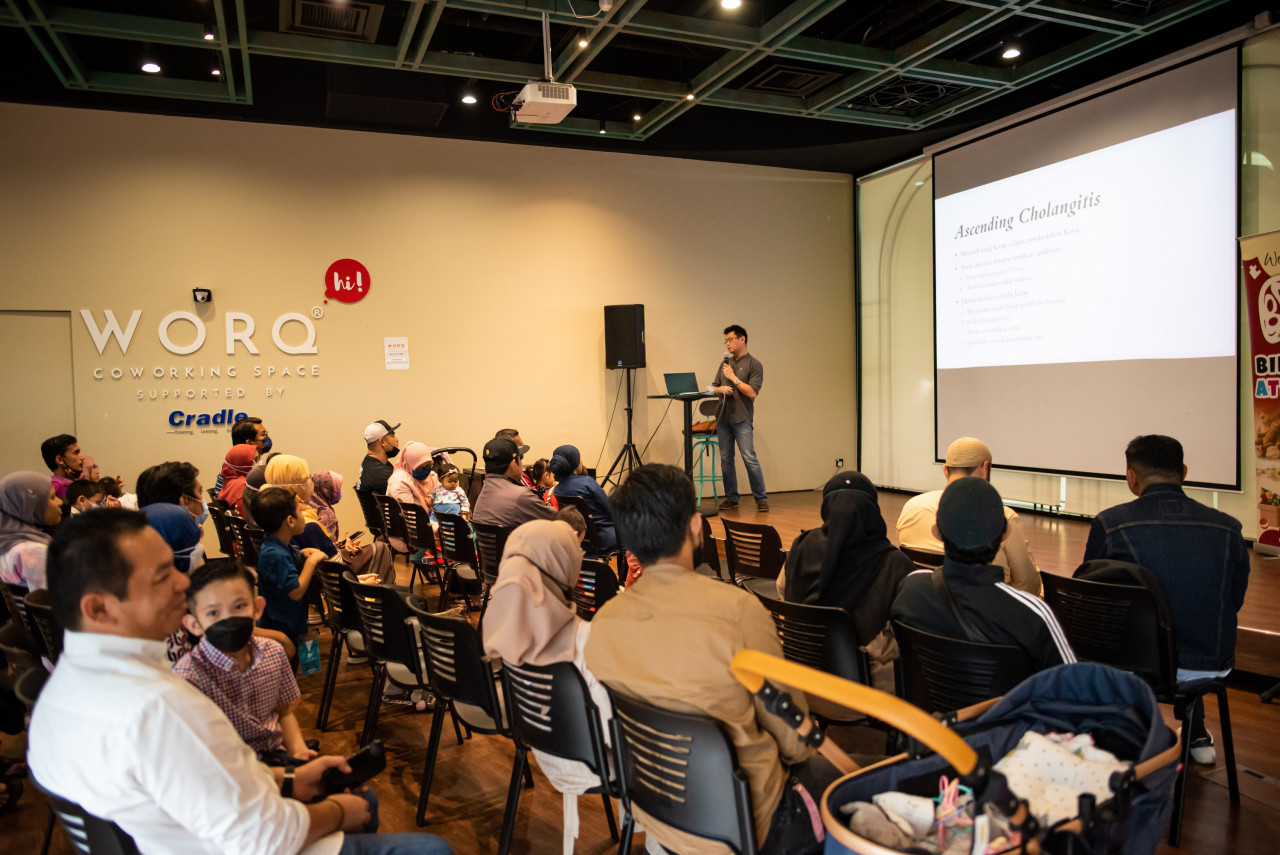
Apollo is on a mission as part of its corporate social responsibility to generate awareness that organ transplants can be done better and to allay any cultural taboos about it.
In the past year, two Malaysian toddlers, the first being a one-year-old girl successfully underwent a liver transplant after developing liver cirrhosis post an unsuccessful Kasai surgery done soon after her birth. Before that, an eight-month-old girl infant also underwent a similar procedure.
Both patients were eventually discharged and the duo are now back home living normally, except they require close observation as well as proper medication.
Muadzaffar here makes a crucial observation that the Health Ministry needs to offer subsidises to patients of organ transplants because it is pricey to ensure that the immune system does not reject the new body parts.
"It may cost thousands a month in terms of immune suppressants."
Organ transplants are becoming a way of life and the policy of healthcare needs to be reform to suit its needs and demands, said Muadzaffar in an interview.
_interacting_with_the_children_of_BAMAs_members_watched_by_Dr_Neerav_Goyal__Senior_Consultant__Liver_Transplant__Indraprastha_Apollo_H.JPG)
As for adults with end stage liver issues, Neerav said that it is mostly associated with lifestyle issues from excess alcohol consumption to sedentary habits.
He said that the medical advise is clear: eat moderately and exercise to combat the complications to the liver.
Gaurav spoke of how Apollo is actively looking to collaborate with any Malaysian parties in both the public and private sectors to address the need for organ transplants.
"We believe in the economics of scale where the more people we treat, the easier it is to manage the costs."
India prides itself on having costs for such a complex procedure br one fifth of the rates imposed in China, and the developed Western nations, claimed Gaurav. He said nowadays many Europeans and Americans are coming over to Apollo's institutions to seek treatment.
"Each day we live with hope, and we want to fulfil the hopes of those ailing with end-stage organ failures," added Gaurav. – The Vibes, October 16, 2022