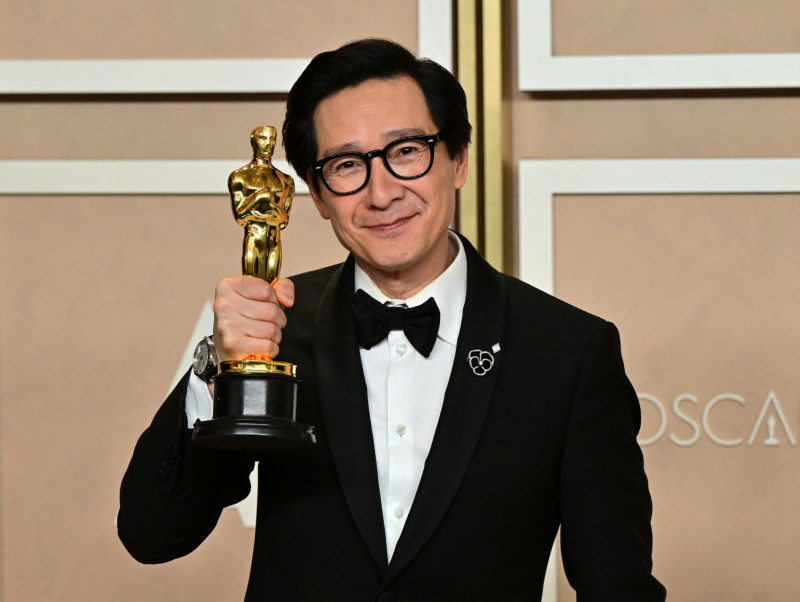

EARLIER today, when Ke Huy Quan triumphantly raised his Academy Award, it was the culmination of an unlikely journey back to the big screen, following a long fallow period after starring in two massive hits: Indiana Jones and the Temple of Doom and The Goonies.
However, even before that, his life and the life of his family was all too eventful for all the wrong reasons, which he touched on during his big speech.
“My journey started on a boat. I spent a year in a refugee camp. And somehow, I ended up here on Hollywood’s biggest stage,” he said through tears. “They say stories like this only happen in the movies. I cannot believe it’s happening to me. This – this is the American dream!”
His family were among the so-called ‘boat people’ of Vietnam, who fled the political persecution and instability following the victory of the communist North and the collapse of the South Vietnam government.
Born on August 20, 1971, in Saigon, South Vietnam, Ke was a member of the ethnic Chinese minority. In 1978, his family – his parents and eight other siblings – fled the country. The vast majority left by boat, hence the name.
The life for these refugees was an arduous one, to put it lightly, as they left country in shabby, rickety boats that were not built for the journey across the sea. They also lacked supplies, meaning many Vietnamese onboard suffered from dehydration and starvation, and that’s not even mentioning the rough seas and the threat of pirates.
Many refugees intended to head to Australia, but most did not get that far.
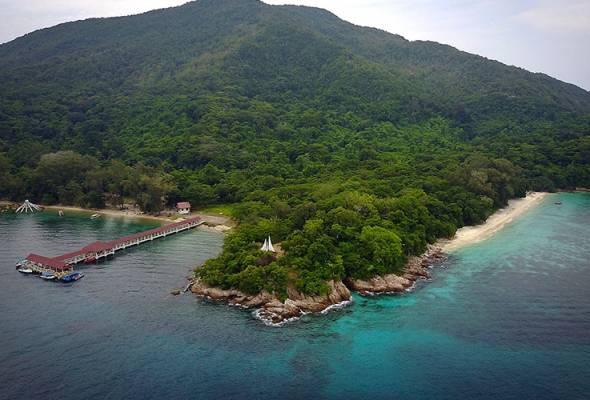
While Ke, his father, and five siblings took refuge in Hong Kong, his mother and three other siblings landed in Malaysia, possibly on either Pulau Tengah, a small uninhabited island off the southeast coast of the country, or Pulau Bidong in Terengganu.
Life on Pulau Bidong and Pulau Tengah
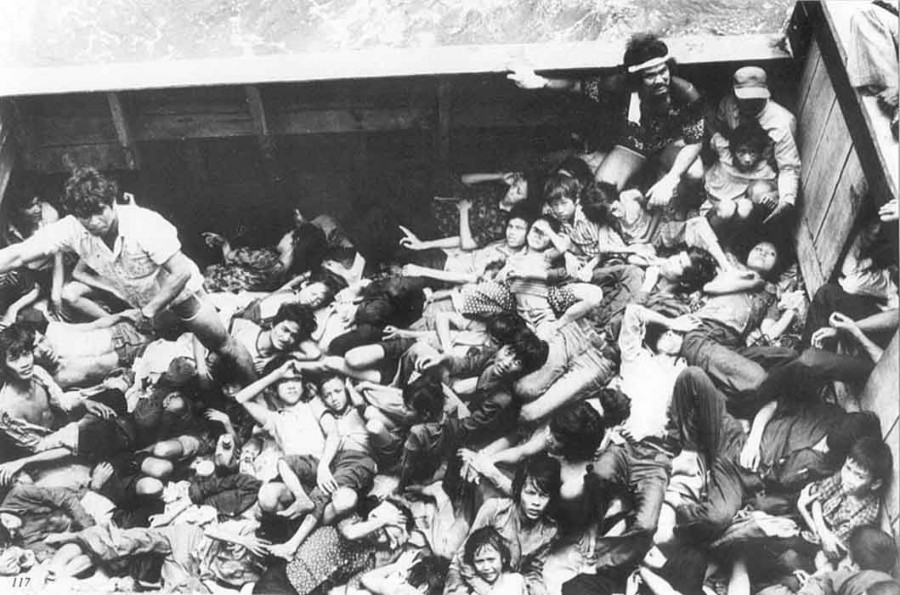
At one point Pulau Bidong was said to be the most densely populated place in the world, holding about 40,000 refugees tightly packed together in an area about the size of a football field.
From the late 1970s until 1981, Pulau Tengah served as a United Nations refugee camp for thousands of these ‘boat people’. An estimated 100,000 refugees passed through there.
On the island there were fewer than ten big shelters next to each other on the beach. These shelters were quite basic, with straw roofs held up by wooden poles. The camp would grow over time, even though people would come and go.
Food was provided, with regular deliveries from the mainland. Fish was available five days a week, though meat was rarer, at a couple times a week. Sandwiches and soda were considered treats by the refugees.
For those who still had cash or gold on them, they could pay locals to pick up goods like boomboxes, batteries and cassettes for the ‘boat people’ to enjoy on the island.
Most of the day was spent waiting for interviews with representatives from the countries that were accepting refugees – waiting to see where their more permanent home would be. Among those countries were Australia, France, Switzerland, Canada, Germany, Iceland and Brazil, even Israel.
However, the US was always the number one option, though applicants had to be interviewed and rejected by at least one other country before the US would put them under consideration.
It was not a long stay for Quan and family, as by 1979 they had resettled in the US, but even so their journey reflects that of about two million Vietnamese who fled their country in one of the biggest refugee crises in history.
Getting into acting
Quan and family settled in Southern California, where they lived a fairly ordinary life, until he followed his younger brother to an audition of a movie by the name of Indiana Jones and the Temple of Doom (1984).
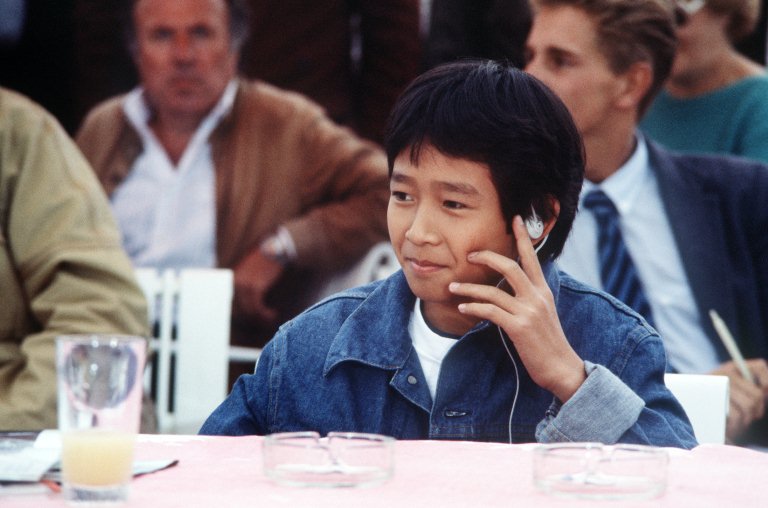
Movie legends Steven Spielberg and George Lucas – who were the creative minds behind the iconic character – wanted to cast an ‘Asian kid’ opposite series star Harrison Ford. Ke recounted the story in a recent interview on Jimmy Kimmel Live.
In 1985, he starred in the equally iconic (perhaps more so) The Goonies as kid inventor Richard ‘Data’ Wang. He followed that with steady work as a teen, which unfortunately dried up because Hollywood at the time did not really have that many roles for a young Asian man.
He graduated from film school and eventually worked as a stunt coordinator, including choreographing fight scenes for the original X-Men film (2000).
"For many years, I lied to myself by saying that I didn't like acting anymore to make it feel less painful," Ke told GQ.
That love of acting was rekindled after seeing Crazy Rich Asians, which of course starred Tan Sri Michelle Yeoh. He told CBS News that he cried watching it three separate times in a theatre because he "wanted to be up there with them."
He auditioned for "Everything Everywhere" -- and didn't hear he'd won the part for two months, as he tells the tale. He also tells of losing his health insurance during the Covid-19 pandemic, an all too common occurrence in the US.
“Dreams are something you have to believe in. I almost gave up on mine,” he said while fighting back tears on the stage at the Dolby Theatre. “To all of you out there, please keep your dream alive.”
“Thank you,” he said. “Thank you so much for welcoming me back.” – The Vibes, March 13, 2023