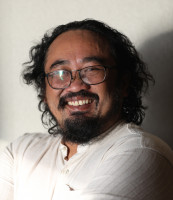
SABAH has formed two committees to gain autonomy on education and health matters as part of efforts to realise the state rights under the Malaysia Agreement 1963 (MA63).
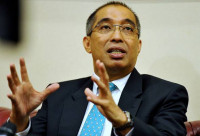
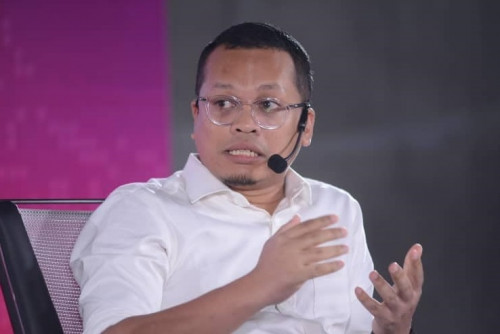
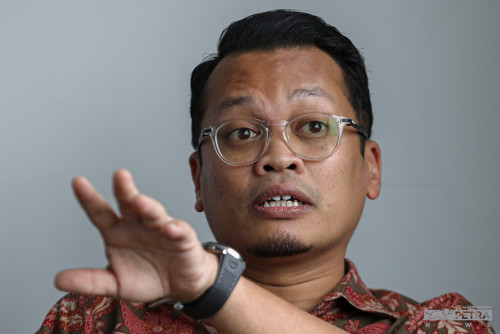
Assistant Chief Minister Datuk Nizam Abu Bakar Titingan told the assembly today the joint action committees had been formed to negotiate the devolution of such powers from Putrajaya.
“The Joint Action Committee on Health Development was formed to discuss health-matters involving technical and legal aspects of the decentralisation of powers on the matter,” said Nizam, adding that the same committee has been formed on education.
“A meeting on the joint committee for education was just held last November 17,” he said.
Nizam was responding to a question by Datuk Yusof Yacob (Sindumin-GRS) over unresolved MA63 demands.
Nizam (Apas-GRS) said the state government has submitted an official proposal to Putrajaya to increase the number of MPs for Sabah and Sarawak to 35% of the Dewan Rakyat in August.
Sarawak has 31 seats while Sabah has 25. Sabah and Sarawak are looking to claim 78 of the 222 parliamentary seats.
“The agreement has been reached, but ongoing discussions are focused on determining the implementation,” he said.
Nizam said the state was negotiating Sabah’s rights to oil royalty and cash payments, as well as the Continental Shelf Act 1966 when responding to a supplementary question by Assafal Alian (Tungku-Warisan).
Nizam said the state is actively addressing issues such as labour authority, the equilibrium of authority regarding environmental legislation, the decentralisation of courts in Sabah and Sarawak, the selection of judicial commissioners and judges, and the administration of the judiciary, as part of ongoing efforts to fulfil MA63 provisions.
Nizam emphasised a similar approach for areas including oil minerals and oil fields, federal financial responsibilities outlined in the joint list, duty stamps, recruitment of additional state civil servants, the localisation of the civil service in Sabah, the inclusion of tourism in the joint list from the federal government, and development of the Sabah-Kalimantan border.
“Negotiations and implementation with the federation involve several stages that encompass legal aspects, financial administration, organisational structure, and other matters. Therefore, these demands need time to achieve practical solutions that address the needs of the people.
“We are optimistic that under the Prime Minister’s Exchange and with connections to the chief minister, issues can be resolved to the benefit of all. It has been a long-standing delay since 1963,” he said. – The Vibes, November 29, 2023.