
WHEN Mohd Dawis Jailani heard about Malaysia’s new RM1,700 minimum wage, he was hopeful.
The 30-year-old skilled craftsman from Pulau Gaya works long hours to make ends meet, along with his 24-year-old brother, Mohd Ali Jailani.
Gaya Island is a 20-minute boat ride from Kota Kinabalu, where both siblings work.
Dawis earns RM70 per day as a skilled craftsman, while his younger brother, a general worker, makes RM55 per day — below the new minimum wage.
As of February 1, 2025, the minimum wage has been set at: RM65.38 per day for a six-day workweek; RM78.46 per day for a five-day workweek; RM98.08 per day for a four-day workweek
The wage hike is meant to ease financial burdens, but for many like Mohd Dawis, the increase has yet to be reflected in their salaries.
“We hope our salaries will be adjusted this month,” he said.
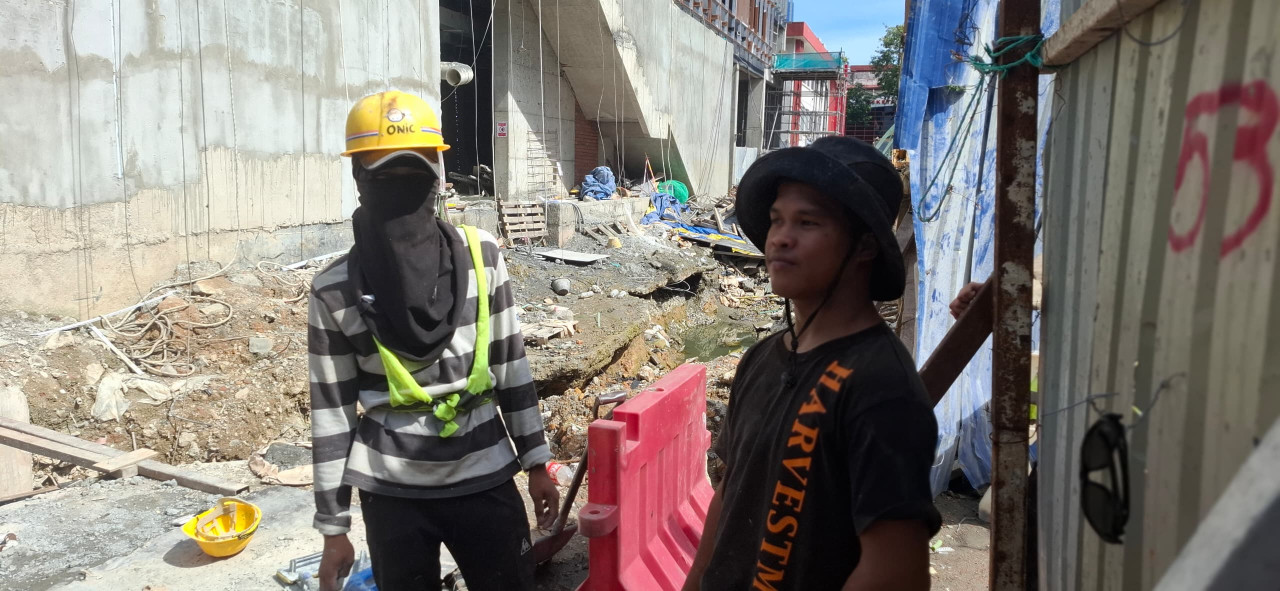
Across Sabah, many workers share the same sentiment, anticipating that the extra RM200 per month could help cover rent, groceries, or even savings.
But while workers welcome the increase, businesses are worried about rising costs.
Workers get relief, but employers warn of strain.
For Mohd Ridwan Gumbaris, 32, a general store worker, the wage hike offers slightly more breathing room.
He left his hometown in Kota Belud to work in Kota Kinabalu, hoping for better opportunities.
“Before this, I earned RM1,500 and could save RM200 to RM300 a month. Now, God willing, I’ll have a bit more to pay rent and other expenses,” he said.
But in the city, rising living costs remain a challenge.
“Rent isn’t cheap. I was lucky to find a room under RM400, but it’s a small third-floor shophouse shared with others,” he added.

Ika Trest, 23, who moved 240 km from Paitan to find work in Kota Kinabalu, also sees the wage hike as a step in the right direction.
Her company had already raised salaries in January, ahead of the official implementation.
“The RM1,700 wage is okay. My finances are a little more stable, and I can send some money back home,” she said.
Employers push for deferment
While workers see the wage hike as a positive change, business owners warn that it could hurt operations.
Several employers and business associations have raised concerns over the immediate implementation of the new wage, arguing that it adds financial strain to businesses already struggling with rising costs.
Similarly, SME Sabah has urged the government to implement the wage hike in stages, saying a gradual approach would allow small and medium-sized businesses to adjust their financial structures without disrupting operations.
“A phased implementation would be more practical. Businesses need time to adapt,” said an SME Sabah representative.
In response to these concerns, the government has granted a six-month deferment for employers with fewer than five employees, allowing them until August 1, 2025, to comply with the new wage structure.
State government remains silent
Despite this concession, many business groups continue to push for a broader deferment, citing economic uncertainty and the risk of increased consumer prices.
However, the Sabah government has not issued any official response regarding these requests, leaving employers uncertain about potential relief measures at the state level.
With no further deferments announced, businesses are left to navigate the transition on their own, while workers wait for their wages to be adjusted in line with the new policy. – February 1, 2025.