
A DEPARTMENT of Statistics Malaysia (DOSM) study revealed that job seekers in Sabah are prioritising fair wages aligned with their educational qualifications, but face challenges due to mismatches between their skills and local job demands.
The Study on Job Seekers’ Aspirations in Sabah, conducted from January to December 2024, is to understand the aspirations, expectations, and challenges faced by job seekers in the state.
It found that despite high educational attainment, many job seekers struggle to find suitable employment, contributing to youth unemployment and migration trends.
The study revealed that 72.2% of respondents had completed higher education, while 27.8% held only a secondary school certificate.
Despite this, a significant number of graduates are unable to find jobs that match their qualifications, highlighting a gap between the skills available and the demands of local industries.
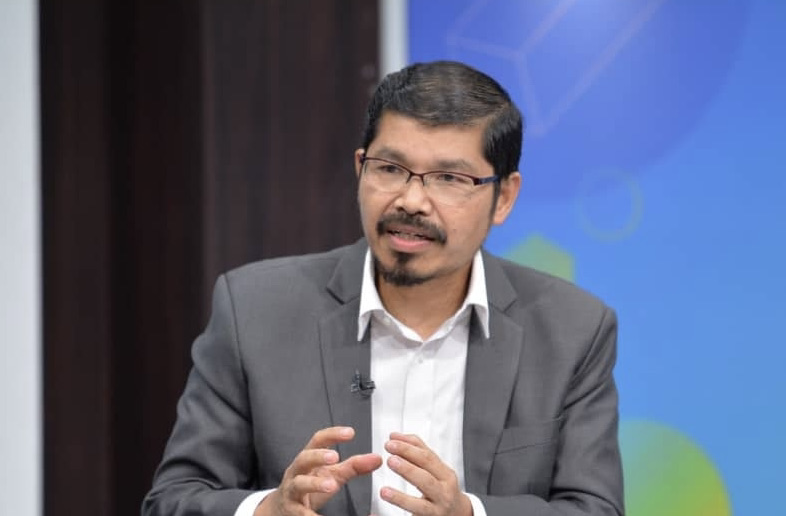
Chief Statistician, Datuk Sri Dr. Mohd Uzir Mahidin, said the findings provide valuable insights into wage structures, employment sectors, and skill requirements in Sabah.
He noted that the primary objective of the study was to “analyse Sabah’s labour market by offering insights into wage structures, key employment sectors, and skill requirements in local industries.”
The study also revealed a discrepancy between wages and the cost of living, leading many job seekers to consider relocation.
The majority expressed willingness to move within Malaysia for salaries between RM2,000 and RM4,999 per month, while others considered migrating abroad for salaries exceeding RM5,000.
Migration trends were a key focus of the study, with 66.2% of Sabahans working in Peninsular Malaysia indicating a preference to remain outside Sabah.
The report highlighted that 96.7% of respondents were from Sabah, with 71.1% residing in the state and 25.9% living in Peninsular Malaysia.
Most respondents were from the East Coast of Sabah (64.8%) and preferred to remain in their respective regions. Nearly half of the respondents from Sandakan (48.5%) and Tawau (45.6%) also chose to stay in their local areas.
The study also noted a disparity in migration patterns based on educational qualifications.
While 87.6% of respondents with an SPM qualification or equivalent chose to stay in Sabah, only 54.4% of those with a bachelor’s degree did the same, suggesting that highly educated individuals are more likely to seek opportunities outside the state.
The report outlined several strategic interventions to address these challenges. It suggested aligning labour supply and demand through accurate labour market data and investing in skills training to enhance employability.
It also recommended enhancing key sectors such as agriculture, fisheries, tourism, and Information and Communication Technology (ICT) to improve competitiveness and productivity.
Additionally, advancing physical and digital infrastructure, particularly in rural areas, was highlighted as crucial for expanding access to job opportunities and stimulating economic development across Sabah.

Mohd Uzir said the importance of aligning educational programmes with industry needs to create a more inclusive and sustainable labour market in Sabah. “By understanding the aspirations and challenges faced by job seekers, more effective intervention measures can be implemented,” he said.
The study found that wage disparities are a significant concern, with many respondents indicating that current salaries do not align with educational qualifications or the cost of living.
The report highlighted that discussions on wages and salaries were among the most frequently raised topics, with respondents emphasising the need for fair wages to achieve a better quality of life.
The study concluded that despite job opportunities in Sabah, a mismatch persists between available jobs and job seekers’ qualifications or skills.
It also highlighted the need for a more coordinated approach to economic development, involving collaboration between educational institutions, industries, and policymakers.
DOSM had also launched OpenDOSM NextGen, a platform providing data catalogues and visualisations to enhance data analysis.
The platform is accessible at https://open.dosm.gov.my. - February 25, 2025