EXPERTS are sounding the alarm over a disturbing shift in human trafficking patterns, warning that exploitation through forced criminality—particularly for cybercrime—is rising sharply in Southeast Asia and may worsen unless gaps in legislation, international cooperation, and enforcement are urgently addressed.
Where once human trafficking was mostly associated with the sex trade, today’s criminal networks are luring victims under the guise of overseas employment opportunities, only to coerce them into carrying out scams, fraud, and money laundering for syndicates.
“The purpose of the recruitment is not properly disclosed, and their main aim is to exploit individuals to commit crimes, with most of the victims sent abroad,” Bernama reported Dr Haezreena Begum Abdul Hamid, a senior law lecturer and criminology expert at Universiti Malaya saying in an exclusive report today.
Dr Haezreena described forced criminality as a form of exploitation in which victims are deceived or coerced—often violently—into committing offences for the financial benefit of their traffickers. She explained that victims may be forced to work as scammers, drug mules, account mules or even terrorists, with scam centres being the most common destination.
“There are two scenarios. In one, the person deceived into becoming a scammer ends up staying voluntarily after seeing how lucrative it is. In the second, the person has no way out, having been forced to commit crimes such as online fraud,” she said.
Scam Syndicates Targeting Youths
Human traffickers typically target youths in their 20s and 30s through seemingly legitimate job advertisements on social media, offering high-paying roles overseas. The process initially appears normal, with victims preparing passports and paperwork, but things take a dark turn during transit.
“For example, if the final destination is Taiwan or a Western country, they might be asked to transit in Bangkok. That is when abductions take place, and victims are taken to another location,” said Dr Haezreena.
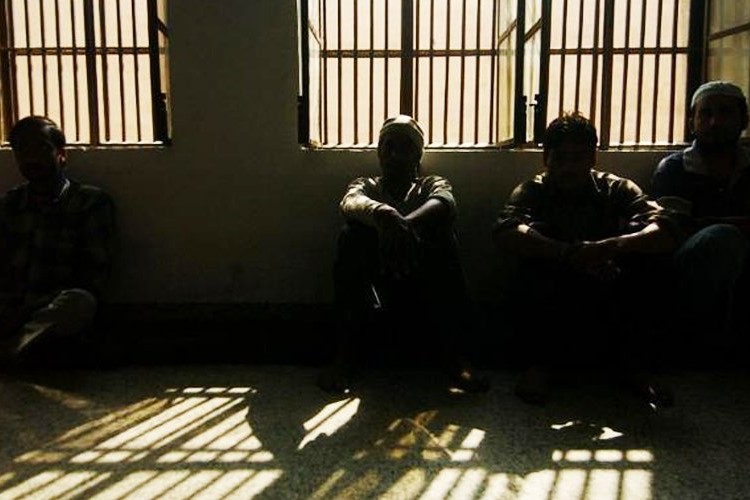
Once taken, victims are locked up and coerced into working in scam call centres, committing financial crimes such as romance scams and so-called Macau scams, often with the help of accomplices pretending to be bank officers or police.
Authorities in Malaysia have reported rescuing 504 Malaysians from countries including Thailand, Myanmar and Cambodia. However, Dr Haezreena noted that only around 10 per cent were confirmed as genuine trafficking victims.
“The majority had voluntarily become scammers and only sought help when threatened or abused. Some even turned into agents themselves, recruiting other Malaysians,” she said.
She stressed that many of these illicit operations are based in casinos, hotels and private premises where victims are held and forced to commit international cybercrimes.
Legal and Enforcement Gaps
Dr Haezreena called for urgent amendments to Malaysia’s Anti-Trafficking in Persons and Anti-Smuggling of Migrants Act 2007, which she says does not adequately define forced criminality.
“Section 2 of the Act lists forms of trafficking for the purpose of exploitation, but it does not mention forced criminality. So, the Act should be amended to include this form of crime,” she said.
Although Malaysia currently uses Section 420 of the Penal Code to handle fraud-related crimes, Dr Haezreena said a dedicated legal provision for scams is still lacking.
She highlighted three key challenges in tackling forced criminality: confusion around its definition, difficulty prosecuting cross-border syndicates, and weak international cooperation.
“Although Malaysia is part of the Bali Process, combating these crimes effectively requires stronger cross-border collaboration, including mutual assistance in criminal investigations and extradition,” she said.
A New Modus Operandi
Malaysia International Humanitarian Organisation secretary-general Datuk Hishamuddin Hashim warned that trafficking syndicates are no longer using open job adverts on platforms like Facebook. Instead, they are recruiting agents who use peer networks to persuade others.
“Agent A recruits Agent B, and these agents convince young people that overseas jobs are lucrative and hassle-free. These youths eventually end up trafficked,” he said.
Hishamuddin emphasised the need for tighter border controls and increased public awareness, particularly among parents, to prevent further recruitment.
He also urged stronger international cooperation, particularly through mechanisms like ASEANAPOL and Interpol, to facilitate extraditions and transnational prosecutions.
“To date, not a single case has resulted in imprisonment. The crimes often reach prosecution but stop there. There’s little fear of consequences,” he said.
As Malaysia holds the ASEAN chairmanship, Hishamuddin said the country should take the lead in pressuring neighbouring states to dismantle scam compounds.
“If these centres are shut down, the forced recruitment of scam workers can be brought to an end,” he said. - May 28, 2025