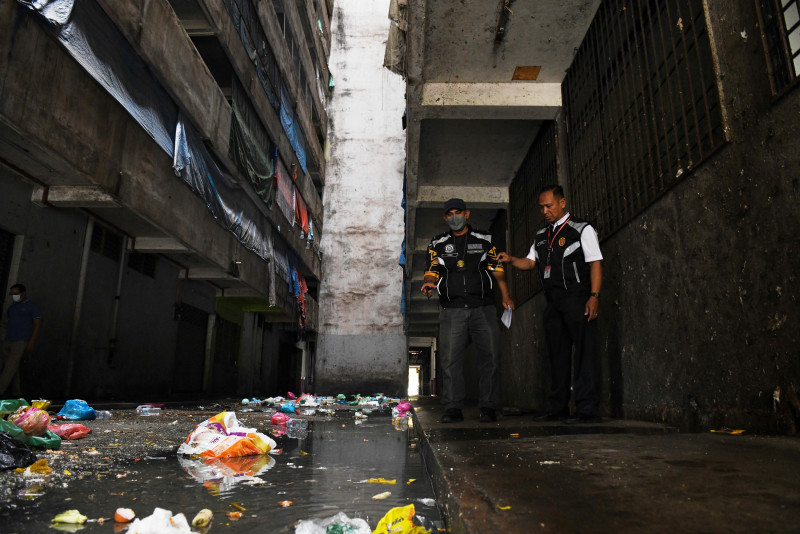
FOR years, residents of deteriorating low-cost flats across the capital have endured squalid living conditions, from leaking sewage and overgrown weeds to dark, broken stairwells.
Now, a renewed government push for urban redevelopment is offering a glimmer of hope to communities long left behind by progress.
Bernama cited that at the Kuchai Jaya Flats in Seputeh, Kuala Lumpur, residents say the grounds resemble a forgotten ruin. Potholes, clogged drains and the stench of stagnant water from leaking pipes plague the area surrounding the four six-storey blocks built in the 1980s.
“We call this place ‘Jumanji Flats’,” said Saiful, 33, who has rented a unit there for a decade at RM350 a month. “There is a lift but as far as I know, it has been out of order for decades. I just hope my wife doesn’t end up giving birth to our first child on the stairs,” he added wryly.
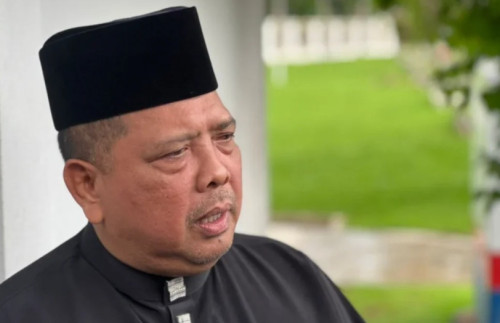
Kuchai Jaya Flats residents’ representative Hamid Kadir, 55, who has lived there for 30 years, recalled two deaths from dengue a few years ago.
“When someone dies, we have to carry the body down the stairs using a stretcher,” he said. While his unit cost RM20,000 in the 1990s, recent valuations by the Valuation and Property Services Department range between RM75,000 and RM120,000—still a fraction of the RM800,000 asking price for units in a nearby condominium.
The situation is no better at Jalan Kuching’s Selangor State Development Corporation (PKNS) flats. According to residents’ association treasurer Ridzwan Mohd Ali, 61, ten of the 15 blocks were abandoned in 2008 and have since become hotspots for criminal and illicit activities.
“Those blocks are filled with overgrown weeds and have turned into drug dens. Stolen goods are also said to be stored there,” he said. Signs of vagrancy and squatting are evident, despite a lack of basic utilities. Ridzwan confirmed that two people had died in separate overdose incidents within the abandoned blocks.
Despite the grim realities, hope is returning as these sites have been included in Kuala Lumpur City Hall’s (DBKL) urban renewal plan.
“Over 70 percent of residents here have agreed to the redevelopment project, under which they will receive replacement units,” said Ridzwan, who hopes for units at least 800 square feet in size, up from the current 450 to 650 square feet.
A model for success can be seen at 1 Razak Mansion in Salak Selatan, where residents who once lived in 399 to 504 square foot flats now occupy three-bedroom, 800 square foot units, complete with modern amenities including a surau, shops, market and kindergarten.
The redevelopment, completed in 2017, involved 658 units and was made possible after unanimous agreement from all original residents.
“Our old units only had one bedroom and it was very uncomfortable. Now, it’s much better here,” said 71-year-old Azni Saharin, a kindergarten teacher.
Anthony Tan Gim Guan, chairman of the 1 Razak Mansion Management Corporation, admitted that winning public trust was challenging.
“My advice is that communities need to be open to negotiating with the government and developers,” he said, while cautioning that new residents face much higher maintenance fees than before.
The broader challenge lies in legal barriers. Presently, Section 57 of the Strata Titles Act 1985 requires full consensus from all property owners before redevelopment can proceed.
To overcome this, the Ministry of Housing and Local Government is drafting the Urban Renewal Bill, which aims to reduce the consent threshold—75 percent for buildings over 30 years old, 80 percent for newer buildings, and 51 percent for unsafe structures.
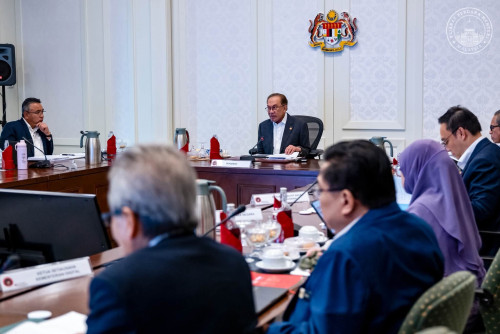
Housing and Local Government Minister Nga Kor Ming stressed the legislation would not undermine residents’ rights.
“If 99 percent agree but one person refuses, the entire project is cancelled. It’s unfair to residents stuck in old flats with broken lifts and plummeting property values,” he said, referencing the stalled Desa Kudalari redevelopment due to a single objection.
According to PLANMalaysia, 534 potential redevelopment sites have been identified across Peninsular Malaysia, with 139 located in Kuala Lumpur alone, holding a projected gross development value of RM355.3 billion.
Nga noted the Urban Renewal Implementation Guidelines—approved by Cabinet in August 2023—are not new. “All the ministers before me only agreed in principle but none had the political will to carry it through. Don’t stop the MADANI government from helping the people,” he said.
PLANMalaysia director-general Datuk Dr Alias Rameli emphasised the government does not intend to forcibly seize homes. Industry bodies such as the Institute of Real Estate and Housing Developers Association have also warned that failure to act on urban decay risks entrenching poverty, crime, and inequality.
“Delaying action on urban decay can lead to severe social and economic problems,” it said, calling for urgent implementation of the Urban Renewal Act to address ageing housing stock, improve resident safety and prevent further decline. - June 16, 2025