THE Sabah State Assembly approved an additional RM1.186 billion in spending after a lengthy debate over the scope and justification of the supplementary budget.
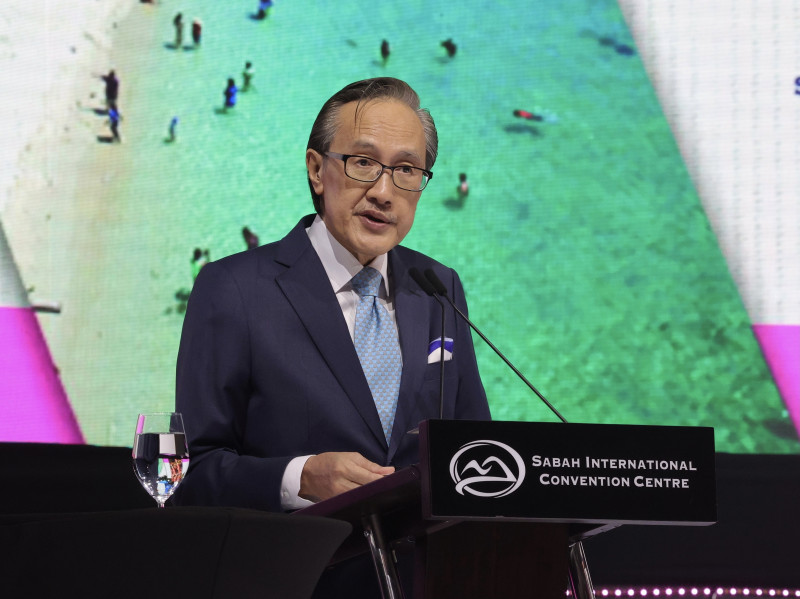
Finance Minister Datuk Seri Masidi Manjun defended the allocation, describing it as necessary to maintain critical infrastructure, expand support for students, and stabilise state-owned enterprises during a period of ongoing economic recovery.
“These are targeted, small scale interventions, not grandiose projects. We are doing what we can within our means to support education, welfare, and youth empowerment,” he said during the second reading of the supplementary bill at the legislative assembly in Kota Kinabalu.
A total of seventeen assemblymen from across the political divide took part in the debate, with some questioning the urgency and transparency of specific allocations.
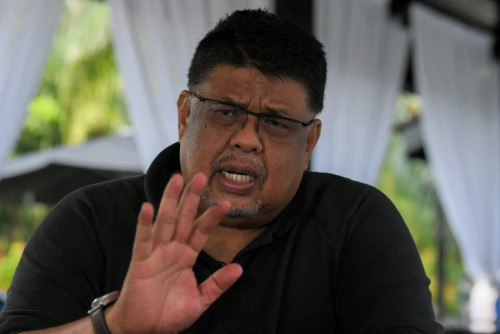
One of the most pointed exchanges came from Warisan president and Senallang assemblyman Datuk Seri Mohd Shafie Apdal, who questioned a RM44 million allocation under the Deputy State Secretary (Special Duties).
Masidi responded with a detailed breakdown, explaining that the sum was used to finance education and welfare programmes aimed at students and schools throughout the state.
“This is not vague spending. We are delivering aid where it matters particularly to schoolchildren, university students, teachers, and even newborns,” he said.
He added that the funds covered assistance for university registration, laptop distribution for students from low income households, support for national exam candidates, and provisions to improve school infrastructure and operations.
Shafie also raised concerns about Sabah’s rising exposure to federal debt and the long-term burden of repayment.
In response, Masidi said the loans, which exceed RM100 million annually, are specifically earmarked for water supply and sewerage infrastructure projects. He explained that repayments would only begin after a grace period of five to seven years.
“It is a strategic move to spread out costs and accelerate development,” he said.
Other Warisan lawmakers, including those from Bugaya and Sekong, pressed Masidi on the sharp increase in the state’s civil service salary bill.
Masidi acknowledged the spike and attributed it to the federal government’s eight per cent salary adjustment for public servants, which took effect in December 2024 — after the Sabah 2025 budget had already been approved.
He said the supplementary allocation also included funding for one-off bonuses during festive seasons and additional financial assistance for state civil servants.
Masidi also responded to queries about the state’s equity injections into its own companies. He disclosed that RM494.8 million had been invested in state-owned entities since 2020 to ensure they remained operational and could pursue new investment proposals.
“This is not wasteful spending. It is equity injection to keep our GLCs afloat and productive,” he said.
Earlier, he addressed a proposal by the Sindumin assemblyman for a disaster relief fund to be created in each district office.
While supportive in principle, Masidi said the legal process required under the Financial Procedure Act would delay implementation and suggested it would be more efficient to centralise the fund under the Chief Minister’s Department for quicker deployment.
The supplementary bill, which spans fifty-three expenditure heads, was described by the finance minister as a necessary fiscal measure to meet development demands while maintaining financial discipline.
He concluded by assuring the assembly that any remaining questions would be answered in writing and that the state government remained committed to transparency and responsible governance.
The assembly is scheduled to reconvene on Tuesday morning for the second and final day of the sitting. - July 7, 2025