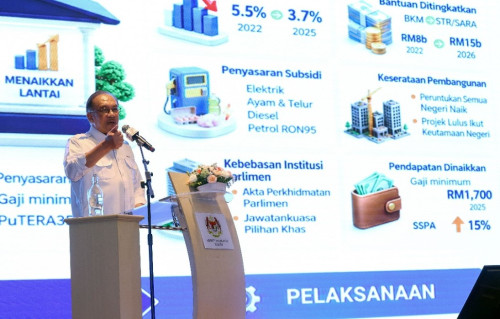
THE Ministry of Energy Transition and Water Transformation (PETRA) has held its first-ever Seminar on the Implementation of Energy Efficiency Measures in Government Premises, supporting the Government’s "Lead by Example" (GLBE) initiative to embed energy-conscious practices across the public sector.
The seminar, held at Sama-Sama Hotel, Sepang, aimed to raise awareness and provide detailed clarification on the Directive for Implementing No-Cost Energy Efficiency Measures in Government Premises, issued by the Chief Secretary to the Government on 9 April 2025.
A total of 150 participants representing 49 federal ministries, departments and agencies attended the seminar, which was organised under the Malaysia Energy Literacy Programme (MELP) – a strategic collaboration between PETRA, the Energy Commission, SEDA Malaysia, TNB, and electricity supply companies.
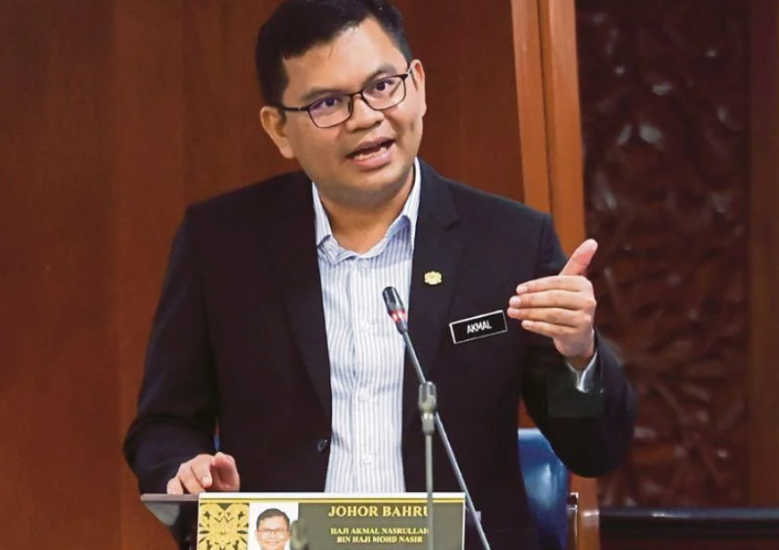
Deputy Minister of PETRA and MELP Steering Committee Chairman, Tuan Haji Akmal Nasrullah Mohd Nasir, in his opening remarks, noted that government buildings such as office complexes, schools, and hospitals are among the highest energy consumers in the public sector.
“On average, the Federal Government spends up to RM260 million monthly on electricity bills. If energy efficiency no-cost measures are fully implemented across government premises, savings of 3–5% on utility costs could be realised,” he said.
The seminar served as a platform for sharing knowledge and best practices on energy-saving measures already yielding positive results, especially in public hospitals, which have seen improved operational efficiency and environmental sustainability.
Examples of no-cost measures recommended include setting air conditioner temperatures at a minimum of 24°C in office and meeting rooms, ensuring lights and electrical equipment are switched off when not in use, and cultivating a culture of energy conservation through internal awareness campaigns.
PETRA affirmed its belief that responsible and efficient energy use in government buildings can significantly reduce public sector utility costs while contributing to the nation’s broader goals of sustainable energy transition and carbon footprint reduction.
This approach aligns with the Malaysia MADANI framework, which prioritises sustainability and the well-being of citizens through responsible resource management, including long-term energy resilience. - July 28, 2025







.jpeg)