THE government today affirmed its dedication to respecting the people’s right to peaceful assembly while simultaneously emphasising the necessity for organisers to comply with the revised notification period, which now stipulates a minimum of five days' notice before any assembly takes place.
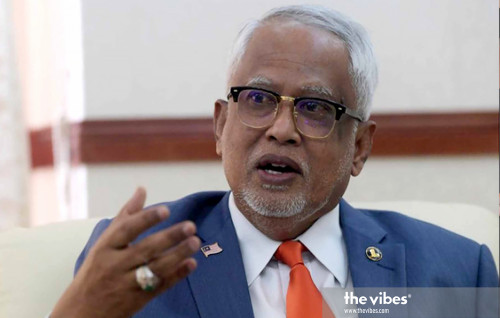
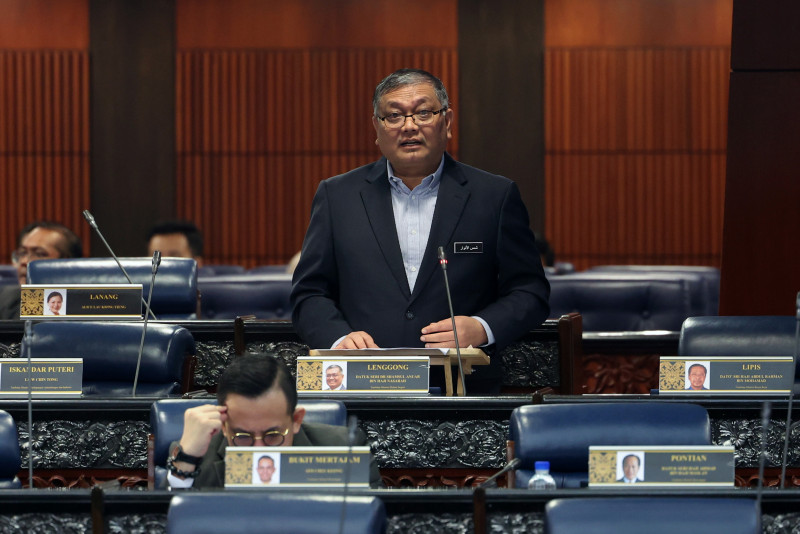
Deputy Home Minister Datuk Seri Dr Shamsul Anuar Nasarah said that court decisions related to peaceful assemblies are respected by the government and are clear on the matter.
"Whatever happens, we very much understand the decision made by the court. The old regulation set seven days before to make an application, but the new regulation is five days before. This must be complied with," he stated during a question-and-answer session in the Dewan Rakyat.
He noted that even as the government grants the people the right to assemble, it honours judicial rulings on assembly cases.
"Therefore, the government and the Royal Malaysia Police (PDRM) will still carry out intelligence gathering and monitoring so that issues or activities violating these regulations can be handled well and systematically," he said.
"Hence, any action taken by the PDRM remains and will always be compliant with the law and will never violate regulations because the PDRM strictly adheres to the established standard operating procedures (SOPs) to respect the rights of the people and, at the same time, safeguard national security," he added.
The Deputy Minister was responding to a question from Datuk Seri Takiyuddin Hassan (PN–Kota Bharu) who had queried why organisers of assemblies under the Peaceful Assembly Act 2012 (Act 736) were still subject to action.
Shamsul also detailed measures and strategies implemented to maintain national peace, which include collecting information, monitoring every issue, and conducting intelligence on potential threats to national peace and stability.
"The Ministry also collaborates with government agencies so that related issues can be handled and are not manipulated by irresponsible parties," he explained.
"Furthermore, we also hold discussions with the PDRM and organisers to ensure the conduct of assemblies does not follow issues that pose a threat and jeopardise public safety," he said.
Other steps, he added, include enhancing readiness through riot control training, using modern technology such as body cameras, drones, and monitoring closed-circuit television (CCTV) systems to improve the efficiency of monitoring and response.
Separately, the police are enhancing their intelligence capabilities to pre-emptively detect plans by parties to hold gatherings or demonstrations involving extremist elements seeking to exploit public sentiment.
Datuk Seri Dr Shamsul Anuar confirmed that, in addition to social media monitoring, the police are actively working with local and international agencies to gather intelligence.
"Through intelligence collection, social media monitoring, and strategic cooperation with local and international agencies such as the Malaysian Communications and Multimedia Commission (MCMC) and Interpol, we are able to track potential threats," he said in response to Suhaizan Kaiat (PH–Pulai) on the room to enhance intelligence capabilities.
He added that monitoring current issues trending on social media, which often spark public debate, is also part of the intelligence approach, noting that "among the sentiments identified that may be exploited are perceptions of double standards in enforcement and other issues."
On addressing negative public perceptions, he said the government is undertaking strategic collaboration between relevant enforcement agencies and fostering close cooperation with non-governmental organisations (NGOs) and related associations.
"To address negative perceptions of the government, the ministry collaborates closely with relevant agencies, NGOs, and associations with educational and religious elements," he said, reiterating that the police will gather intelligence and monitor gatherings, but all enforcement will follow the law and will not infringe on citizens' rights. - November 17, 2025