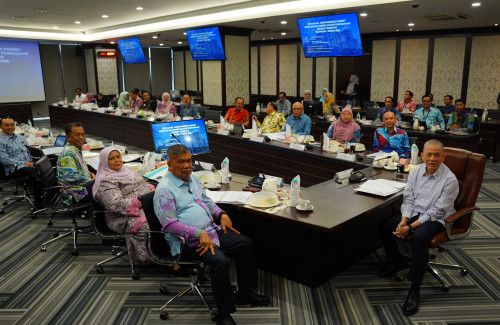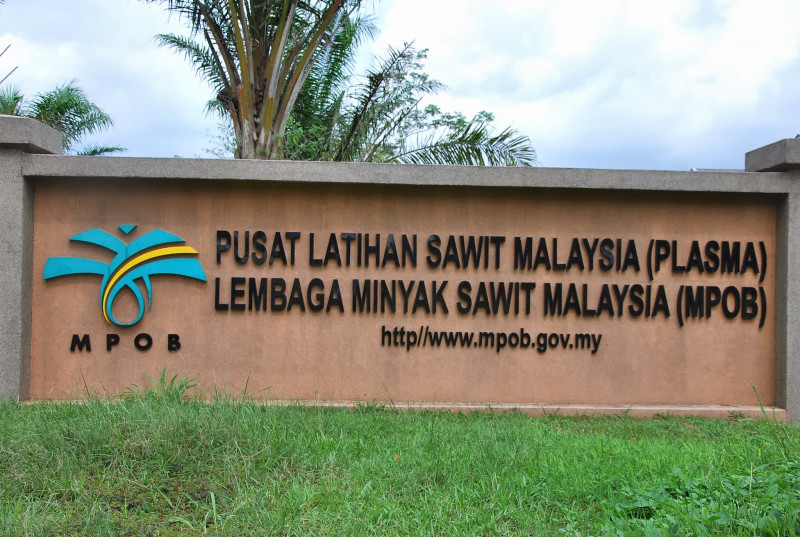
MALAYSIA cannot adopt Indonesia’s approach of increasing domestic palm oil consumption to counter Western anti-palm oil campaigns, as the two countries face fundamentally different market dynamics, the Malaysian Palm Oil Board (MPOB) chairman has said.
Datuk Mohamad Helmy Othman Basha explained that Indonesia’s larger population allows it to absorb more palm oil locally, effectively reducing nearly four million tonnes of palm oil from the global market when blended into domestic diesel.
“When the West heavily criticises Indonesian palm oil, Indonesia tries to boost domestic usage, meaning every 10 per cent they divert is not exported,” he said during an interview following the opening of the MPOB International Palm Oil Congress and Exhibition (PIPOC 2025) at the Kuala Lumpur Convention Centre on Thursday.
By contrast, Malaysia’s smaller domestic population means the country relies more on exports for its palm oil market, making a similar strategy impractical, he added.
Addressing Western criticism that Malaysia’s palm oil cultivation has driven deforestation, Mohamad Helmy emphasised that oil palm plantations occupy only 8.5 per cent of global agricultural land for oil crops, compared with 288 million hectares for other vegetable oils such as soy, rapeseed, and sunflower.
“Only 8.5 per cent of the world’s vegetable oil land is devoted to palm oil, producing 37 per cent of total global vegetable oil output, which is 78 million tonnes,” he said.
He further rejected claims that Malaysian palm oil cultivation significantly threatens wildlife such as orangutans, noting that plantations occupy only 0.6 per cent of the world’s 4.8 billion hectares of land.
Mohamad Helmy also highlighted palm oil’s efficiency and nutritional value, citing components such as tocotrienols and vitamin E, and noting its role in replacing petrochemical ingredients in products, including cosmetics.
“Palm oil remains the most productive and efficient vegetable oil while offering nutritional benefits,” he said. - November 21, 2025




.jpeg)