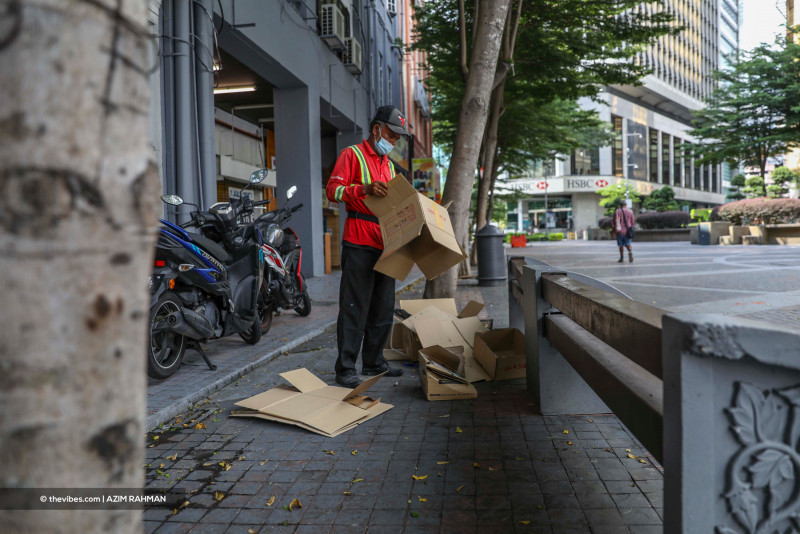
KUALA LUMPUR City Hall (DBKL) has set in motion a priority geotechnical investigation of Jalan Masjid India, a key thoroughfare in the capital’s bustling Golden Triangle, in a bid to ensure the safety and durability of pedestrian walkways.
The study, commissioned to consulting firm IKRAM Sdn Bhd, will form part of a wider, year-long assessment spanning 30 kilometres of city roads.
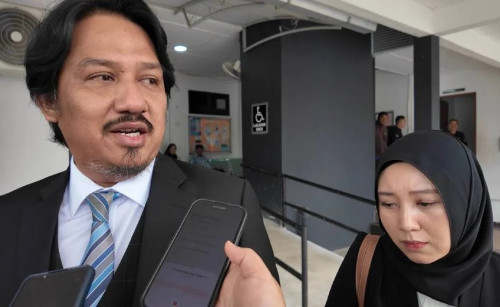
Datuk Bandar Kuala Lumpur Datuk Fadlun Mak Ujud said the one-month focus on Jalan Masjid India reflects the urgency of stabilising the area before expanding the survey to the broader Golden Triangle corridor.
“The geotechnical study is scheduled for a year if we follow the usual phasing, but the priority is Jalan Masjid India,” he told reporters after officiating the Kayuhan Amal Mesra Wilayah Persekutuan 2025 cycling event.
IKRAM, appointed as the technical consultant, has been tasked with preparing a detailed proposal and report within the month, taking into account the complex underground utilities, including water pipes, that traverse the area.
Fadlun stressed that once the report is finalised, DBKL will reopen all pedestrian pathways along the street using reinforced materials to ensure stronger, longer-lasting concrete surfaces.
“Mapping has been completed and we have identified multiple utilities beneath the surface, particularly water pipes. Therefore, we are giving IKRAM one month to complete their study and prepare the proposal,” he said.
The year-long geotechnical survey, funded with RM10 million from the Federal Government, will ultimately extend to other major roads in the Golden Triangle.
Despite previous assessments indicating no immediate risk of subsidence, DBKL maintains that the study is essential to ensure the stability of soil layers and drainage systems in central Kuala Lumpur.
Fadlun’s remarks follow a period of heightened attention on urban infrastructure, as city authorities aim to prevent potential hazards and enhance pedestrian safety in one of Kuala Lumpur’s busiest commercial districts. - November 23, 2025


.jpeg)