MALAYSIA is advancing a comprehensive tax reform programme aimed at ensuring high-income earners contribute fairly while supporting micro, small, and medium enterprises (SMEs) through a digital transition.
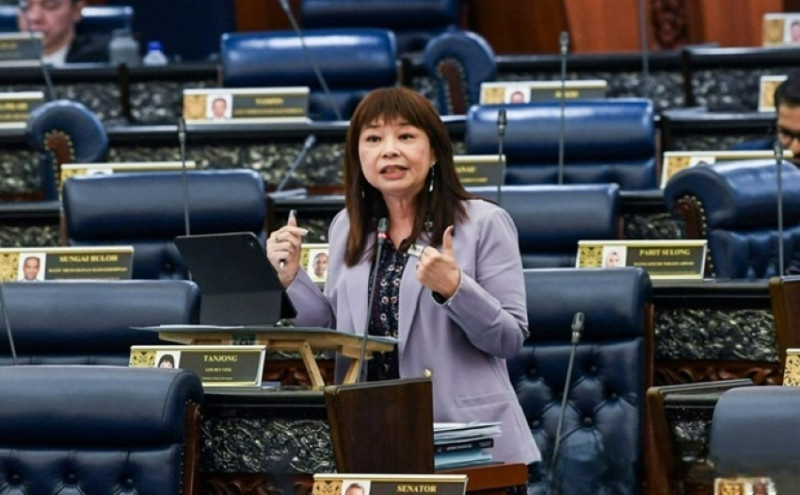
Deputy Finance Minister Lim Hui Ying announced in Parliament on Monday, the measures combine the recalibration of luxury goods taxation following the discontinuation of the High Value Goods Tax (HVGT) with the phased introduction of an e-Invoicing system to modernise tax compliance.
She confirmed that although the HVGT will not be implemented, its underlying objectives have been absorbed into the existing Sales and Services Tax (SST) framework.
Effective 1 July 2025, selected non-essential and high-end items are now taxed at rates of 5% or 10%, ensuring that wealthier consumers contribute proportionately to national revenue.
Premium clothing, luxury watches, and other discretionary goods traditionally associated with affluent buyers fall within this category.
“The measures taken by the Government to increase planned revenue will, in principle, be implemented cautiously, involving engagement with relevant stakeholders… without burdening the people and future generations,” the minister said, stressing the government’s commitment to fiscal prudence while safeguarding public welfare.
The ministry emphasised that the new approach ensures transparency in identifying taxable items and shifts the focus from merely categorising goods as “luxury” to targeting non-essential products in a consistent and equitable manner, while also taking into account the impact on industry and consumers.
Simultaneously, the government is rolling out the e-Invois system in phases to support businesses in digitising tax administration, reducing manual errors, and enhancing operational efficiency.
Lim siad: “The initiative is part of Malaysia’s broader digital economy strategy under the Twelfth Malaysia Plan, which prioritises modernising administrative processes and promoting digital adoption among enterprises.”
As of 21 November 2025, 108,000 taxpayers have adopted the e-Invois system. Of these, 64,317 are mandatory participants across the first three phases, while approximately 44,000 have voluntarily implemented it in subsequent phases.
To date, more than 735 million e-Invoices have been issued.
The government has designed a phased approach to accommodate SMEs and ensure minimal disruption.
The fourth phase, beginning 1 January 2026, will cover businesses generating RM1 million to RM5 million annually, and the fifth phase, starting 1 July 2026, targets businesses earning RM500,000 to RM1 million. Smaller businesses with revenues below RM500,000 are exempt but encouraged to adopt the system voluntarily.
Lim also highlighted that the MyInvois portal and mobile application, providing free access for e-Invoice generation, alongside the MyInvois e-POS system, which allows real-time invoicing during transactions.
Training, tutorials, and nationwide awareness campaigns are being conducted to ensure SMEs can adapt seamlessly to the new digital processes.
“These measures reflect the government’s commitment to both fiscal efficiency and the sustainability of SMEs,” Lim said, emphasising that the reforms aim to create a progressive, transparent, and sustainable taxation system while promoting national economic growth and digital transformation.
The combined strategy is designed not only to capture equitable contributions from wealthier segments of society but also to provide the tools and support for smaller businesses to thrive in Malaysia’s evolving digital economy. - November 24, 2025




.jpeg)