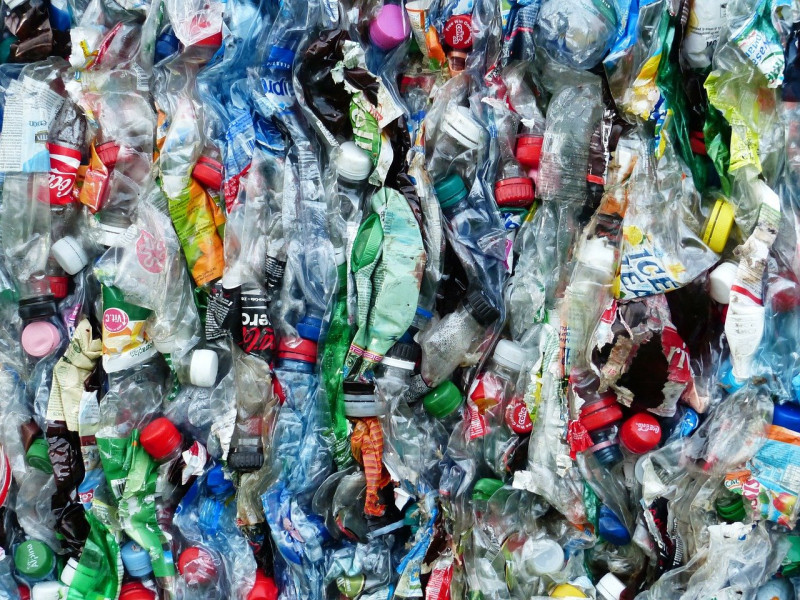
THE nation faces mounting pressure to curb the illicit import of plastic waste, with environmental experts warning that current enforcement is insufficient to prevent ecological and public health risks.
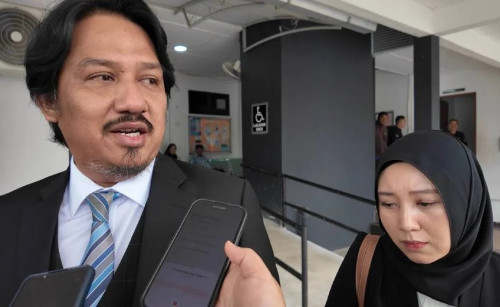
Randolph Jeremiah, Vice-President of the Environmental Protection Association, highlighted that while exports of plastic waste from major sources such as the United States, Japan, and Germany have declined due to stricter global regulations, smuggling into Malaysia continues unabated.
“Monitoring at national entry points must be reinforced by federal agencies, while local authorities play a crucial role in identifying illegal processing facilities,” Jeremiah told Harian Metro. “Illegal operators should face heavy fines and penalties to deter the import and processing of unlawful plastic waste.”
He added that municipal authorities are responsible for managing domestic solid waste, but for imported plastics, the primary enforcement powers lie with federal bodies such as the Royal Malaysian Customs Department (JKDM) and the Department of Environment (JAS).
“Local authorities have a supporting role in overseeing processing facilities and preventing open burning of illegal waste,” he said.
Jeremiah identified single-use plastics such as food packaging and bottles as the most frequently imported items, warning of the threat they pose to marine life. “Plastic pollution presents a serious hazard to Malaysia’s marine ecosystems.
Waste discarded into rivers eventually reaches the sea, contaminating coastlines and entangling marine animals. Species such as turtles and birds may mistake plastics for food, causing physiological harm and introducing microplastics into the food chain,” he explained.
The federal government has pledged a robust crackdown on illegal plastic imports. Datuk Seri Johari Abdul Ghani, acting Minister of Natural Resources and Environment, assured that enforcement operations would be intensified to prevent Malaysia from becoming a dumping ground for foreign waste.
“Every container carrying illegal recyclable plastics will be seized immediately and returned to the country of origin,” he said.
Checks by Harian Metro have exposed smuggling tactics, including the use of false declarations to disguise contaminated or unprocessed plastics as other goods.
Customs authorities have intercepted 50 such attempts between 2023 and 30 June, seizing nearly two million kilograms of plastic waste valued at over RM5.57 million. - December 3, 2025



.jpeg)