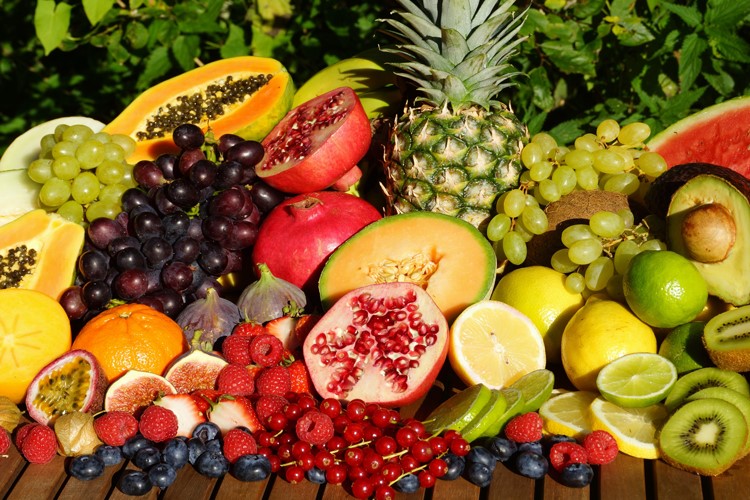
FRUIT prices in Malaysia are expected to climb significantly in the coming months as disruptions to global shipping routes and fertiliser supply chains, triggered by the ongoing conflict involving the United States, Israel and Iran, begin to filter through to local production costs.
President of the Federation of Malaysia Fruit Farmers Association (FMFA) Koh Lai Ann said the impact of instability in the Middle East has already been felt across logistics networks, particularly through disruptions affecting the Red Sea and the Suez Canal, which are key international shipping corridors for agricultural inputs.
He noted that these disruptions have driven up fertiliser costs sharply, forcing farmers to pay more for essential chemical inputs used in fruit cultivation.
“In just two weeks, fertiliser raw material prices have surged by 100 per cent to 150 per cent,” he told Sin Chew Daily, adding that the situation has led some Malaysian suppliers to halt new orders since mid-March due to uncertainty in delivery routes and pricing.
According to Koh, the Middle East serves as both a production hub and a transit point for fertiliser raw materials, making the region’s instability particularly impactful on global agricultural supply chains.
He warned that if shipping delays persist, farmers could face acute shortages. “Even with money, fertiliser cannot be purchased,” he said.
The increased cost of fertilisers, which account for between 30 per cent and 50 per cent of total production expenses, is expected to significantly raise overall cultivation costs.
Combined with higher fuel prices driving up logistics expenses, Koh estimated that production costs could rise by at least 30 per cent.
He cautioned that the ripple effects could lead to a contraction in output, with fruit yields potentially falling by 15 per cent to 20 per cent in the next season if fertilisation schedules are disrupted. Such delays could affect fruit development, increase fruit drop rates and weaken trees due to insufficient nutrients.
With production expected to decline, Koh said Malaysia may face tighter domestic supply, pushing prices upward by 10 per cent to 20 per cent or more within the next three to six months.
Export-oriented fruits such as durians and pineapples are particularly vulnerable, as producers must also contend with rising freight costs, insurance premiums and limited container availability due to rerouted shipping lanes.
He added that logistical delays pose a serious challenge for perishable goods that depend on freshness, with extended transit times affecting both quality and marketability.
“With shipping routes being diverted away from the Red Sea, container allocation has become extremely difficult,” he said.
Farmers are attempting to mitigate cost pressures by reducing reliance on chemical fertilisers and exploring organic alternatives, though Koh described these as only temporary measures that cannot fully offset the impact of supply constraints.
In response to the growing concerns, the Ministry of Agriculture and Food Security has convened discussions with fertiliser suppliers, industry stakeholders and state officials to assess the situation and consider possible mitigation strategies.
Koh said the industry had highlighted rising fertiliser and diesel costs alongside tightening profit margins, and that the ministry had acknowledged the issues and planned further consultations after Hari Raya Aidilfitri.
The developments underscore how geopolitical tensions in the Middle East are increasingly affecting global supply chains, with downstream effects reaching agricultural producers and consumers far beyond the immediate conflict zone. - March 23, 2026