THE government is expected to spend billions of ringgit on petroleum subsidies in 2026 following the implementation of the BUDI Diesel programme, although the targeted subsidy mechanism is aimed at reducing leakages and protecting the country’s fiscal position.
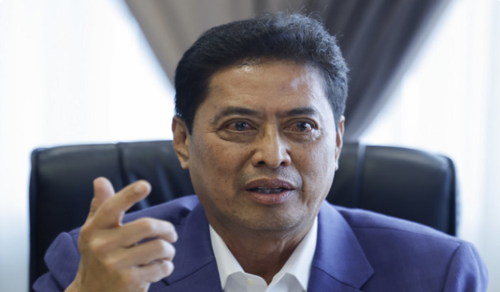
Deputy Finance Minister Liew Chin Tong told the Dewan Negara today that BUDI Diesel, which sets the diesel price at RM2.10 per litre nationwide from July 1, 2026, uses MyKad verification to ensure that subsidies are channelled to eligible recipients.
He said the initiative was part of the MADANI Government’s ongoing subsidy reform efforts to ensure that diesel assistance continues to benefit the people in a more targeted manner while reducing wastage, misuse and smuggling activities that have placed pressure on government finances.
He said the government had previously absorbed nearly RM800 million monthly in subsidies for RON95 petrol and diesel in January and February 2026, before the amount surged to around RM5 billion a month in March and April.
Subsidy expenditure eased to about RM4 billion monthly in May and June.
"If current market prices remain, the government is expected to bear almost RM40 billion in petroleum product subsidies for 2026, subject to global crude oil prices, currency movements and actual consumption patterns," Liew said in a written parliamentary reply on Wed.
Liew added fuel subsidies are classified under operating expenditure and financed through government revenue, including tax revenue, non-tax revenue and non-revenue receipts and that higher oil prices, while increasing subsidy costs, also contribute to stronger petroleum-related revenue.
"Every US$1 per barrel increase in global crude oil prices is estimated to generate around RM300 million in additional petroleum-related revenue for the Federal Government, excluding PETRONAS dividends," Liew said.
The ministry said the additional revenue would help offset part of the increased fuel subsidy burden, while regular monitoring of revenue collection would be carried out to ensure federal spending requirements are met without significantly affecting the country's fiscal position.
It stressed that the implementation of BUDI Diesel demonstrates that subsidy reform can be carried out responsibly by ensuring the majority of Malaysians continue to receive fuel assistance while reducing leakages, supporting economic growth and strengthening national fiscal resilience - July 22, 2026