THE Government targeted RON95 subsidy programme, BUDI MADANI RON95 (BUDI95), is projected to generate annual fiscal savings of between RM2.5 billion and RM4 billion, depending on global crude oil prices, foreign exchange movements and actual fuel consumption patterns.
In a written reply to the Dewan Negara on Monday, Finance Minister II Datuk Seri Amir Hamzah Azizan said the said BUDI95 was introduced to ensure eligible Malaysians remain protected from fluctuations in global fuel prices while reducing subsidy leakages to individuals and groups who do not qualify.
Under the mechanism, unsubsidised RON95 prices that fluctuate according to market conditions will only apply to those who are ineligible for the subsidy, including non-citizens and individuals who do not meet the BUDI95 requirements.
Since the implementation of BUDI95 until July 31, 2026, more than 14.2 million Malaysians out of over 16.7 million eligible individuals have benefited from subsidised RON95 priced at RM1.99 per litre, involving total consumption exceeding 13.4 billion litres.
Based on actual usage data from October 2025 to June 2026, fewer than one per cent of BUDI95 recipients consistently used more than 200 litres of RON95 monthly.
Amir said: “The average monthly RON95 consumption was around 100 litres, indicating that the current monthly eligibility limit was sufficient to meet the needs of most recipients without affecting their daily travel requirements.”
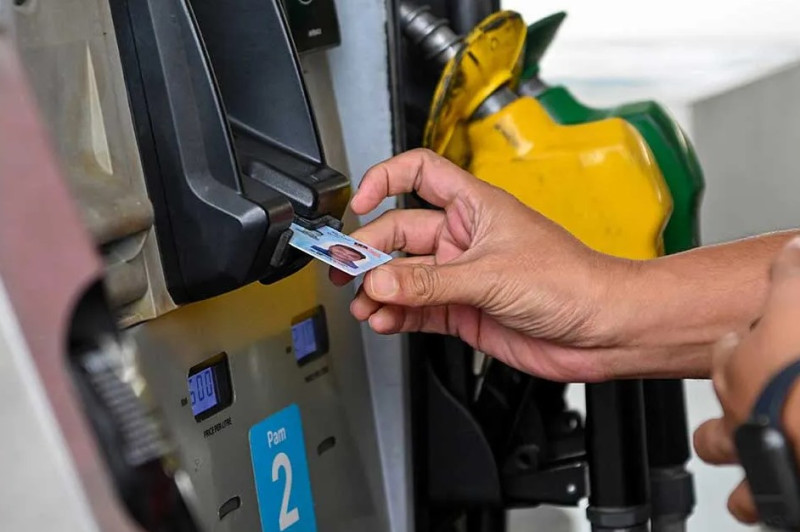
Eligible Malaysians continue to enjoy subsidised RON95 at RM1.99 per litre for up to 200 litres a month through a verification system based on MyKad and driving licence details linked to a central database.
He added the targeted subsidy approach would prevent public funds from being used to subsidise groups that are not eligible, including non-citizens and commercial users.
"The estimated fiscal savings from the current implementation are around RM2.5 billion to RM4 billion annually, subject to global crude oil prices, foreign exchange rates and actual consumption patterns," he said.
The Government stressed that the savings would not merely strengthen fiscal reserves but would instead be channelled back to the public through targeted assistance programmes aimed at improving social protection.
Among the initiatives supported through the additional fiscal space are:
The allocation for Sumbangan Tunai Rahmah (STR) and Sumbangan Asas Rahmah (SARA) has been increased to RM15 billion, the highest allocation ever provided.
Funding for assistance programmes under the Social Welfare Department (JKM) has been raised to RM3.1 billion for 2026.
A total of RM1 billion has been allocated to address cost-of-living pressures, including RM600 million for the MADANI Rahmah Sales Programme, up from RM100 million when it was introduced in 2023.
The programme will provide essential goods at affordable prices across all 600 state constituencies and 40 locations in the Federal Territories, with frequency increased from three to four times monthly in each constituency.
Nearly RM800 million has been allocated for the Early Schooling Assistance Programme (BAP) to help families meet children's basic schooling needs regardless of income background.
The My50 Monthly Pass initiative has received RM216 million in funding to ease financial pressure on public transport users.
A further RM200 million has been allocated for 30-day passes and concession cards under BAS.MY services, benefiting users including persons with disabilities, senior citizens aged 60 and above, school students and Malaysian university students.
Amir said it would continue monitoring BUDI95 based on actual consumption trends, global energy market conditions, the country's fiscal position and feedback from the public.
“Any future adjustments to the programme will be implemented carefully to ensure subsidies continue benefiting eligible Malaysians while preserving long-term fiscal sustainability.” - August 3, 2026