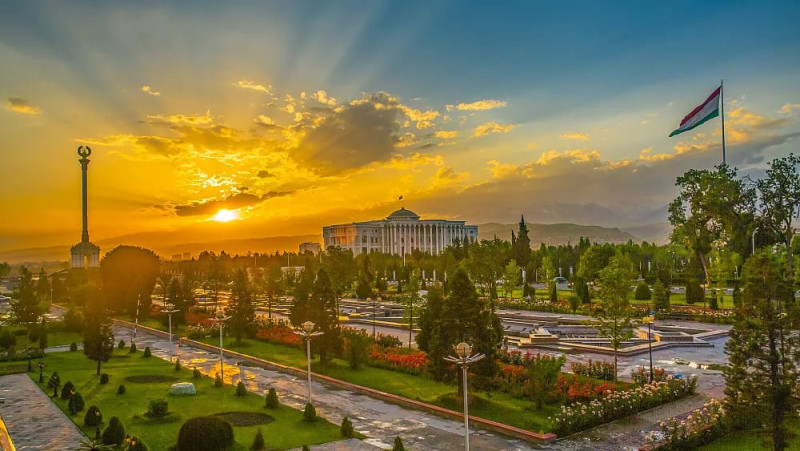
TAJIKISTAN is looking to deepen its relationship with Malaysia by drawing more Malaysian investment into its economy, particularly in renewable energy, agriculture, textiles, halal products and digital technology.
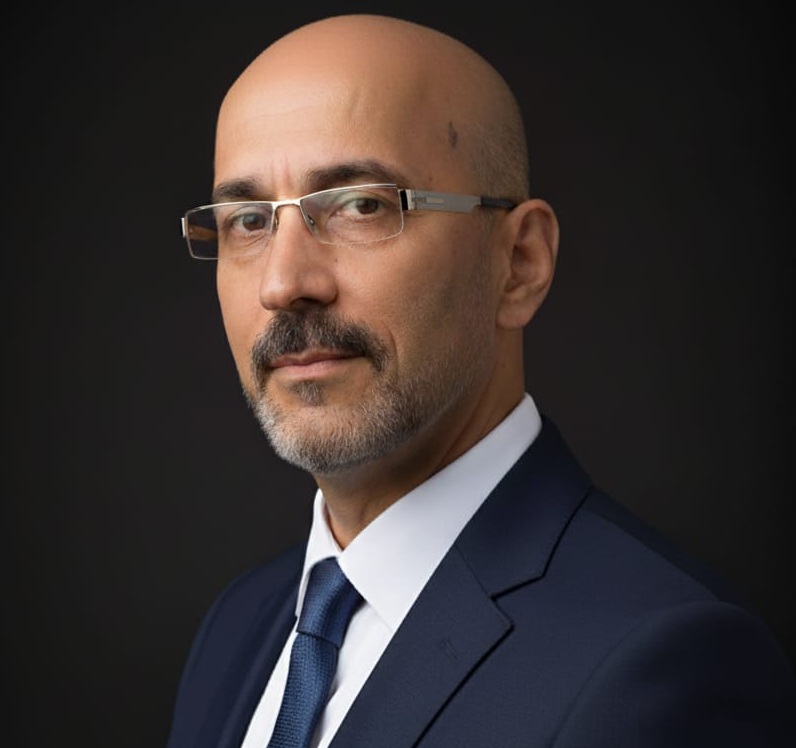
Tajikistan’s ambassador to Malaysia, H.E. Ardasher Qadiri, said the two countries had a strong political relationship after more than three decades of diplomatic ties, but economic cooperation had yet to reach its potential.
Qadiri said the priority now should be to turn that goodwill into actual business partnerships, joint ventures and projects.
Malaysia and Tajikistan established diplomatic relations in 1992. Since then, relations have developed steadily, with the two countries maintaining regular diplomatic engagement.
.jpeg)
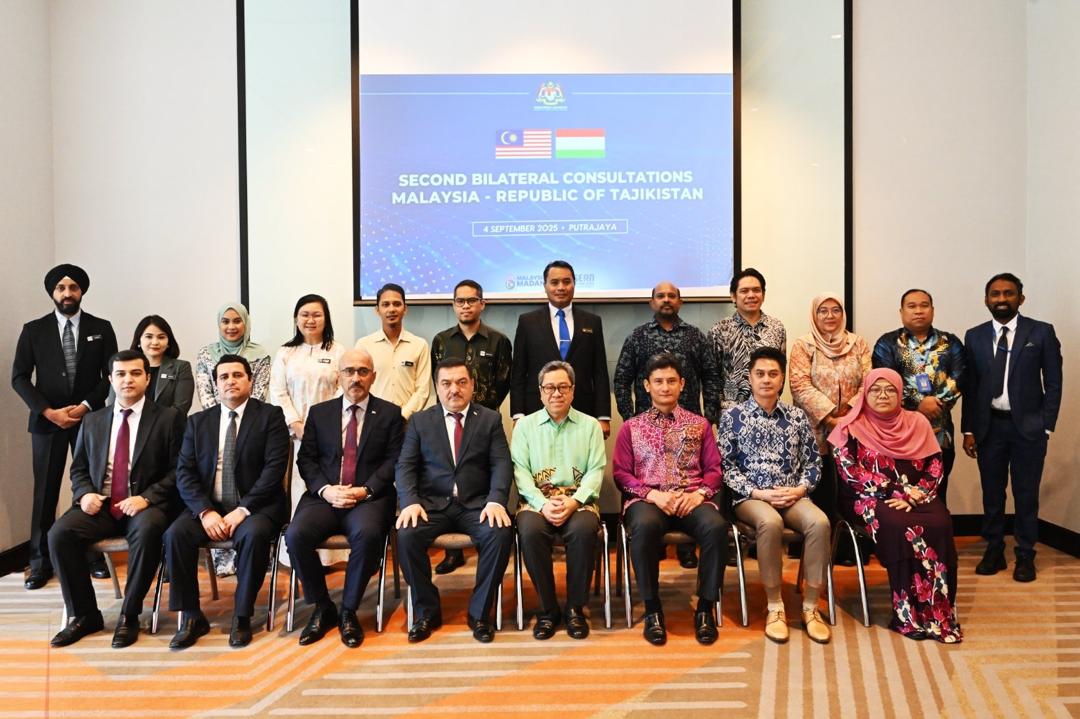
According to Qadiri, the second round of bilateral political consultations in Putrajaya last September was significant because discussions went beyond conventional diplomatic matters.
Trade and investment, agriculture, green energy, the halal industry, finance, tourism, aviation, education and professional training were among the areas discussed.
For Qadiri, the broad agenda reflected a relationship that was ready to move into more practical areas.
“The objective should therefore extend beyond simply increasing trade,” he said.
“It should be to build a broader relationship in which political trust facilitates economic cooperation, economic cooperation generates durable mutual interests, and education, tourism and cultural exchanges bring the two societies closer together.”
Small trade, bigger ambitions
The gap between the two countries’ political ties and their economic relationship is evident in their trade figures.
Qadiri said Tajikistan’s combined trade turnover with Malaysia, Indonesia and Thailand stood at more than US$11.4 million in 2024 before rising to over US$20.2 million in 2025.
The increase was substantial, but the overall figure remained relatively small.
He attributed this partly to the distance between the countries, limited awareness among businesses, logistical difficulties and the lack of established commercial networks.
There are opportunities on both sides.
Tajikistan could increase exports of agricultural products, fruits, honey, textiles, minerals and processed goods, while Malaysian companies could supply machinery, electrical and electronic products, pharmaceuticals, medical equipment, food products and digital services.
But Qadiri added that simply increasing shipments would not be enough.
The bigger opportunity, he argued, was for Malaysian companies to invest in Tajikistan and participate in production rather than treating the country solely as an export market.
Tajikistan has hydropower resources, mineral reserves and agricultural capacity. Malaysia, meanwhile, has developed expertise in manufacturing, financial services, food processing, halal industries and digital technology.
That combination, Qadiri stressed, could create a more durable economic relationship.
From raw products to higher-value goods
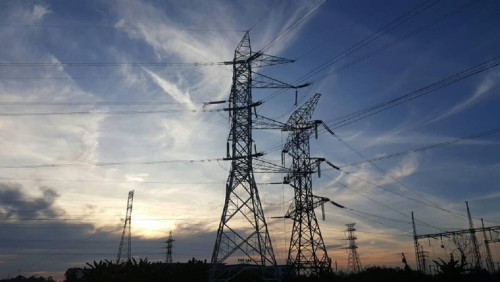
Meanwhile, renewable energy is one of the areas he sees as having immediate potential.
Tajikistan has significant hydropower resources and is expanding its clean-energy capacity. Malaysian companies could take part through investment as well as engineering, equipment, project management and green financing.
Water management and irrigation are other possibilities.
Agriculture could also be developed further if more investment went into storage, packaging, processing and logistics.
Tajikistan already produces fruits, vegetables, cotton and honey. The challenge, Qadiri said, is to capture more value before those products reach international markets.
Malaysia’s experience in food processing and halal production could be useful in building that value chain.
He also pointed to textiles and mineral processing as sectors where Tajikistan is seeking to move away from exporting raw materials and towards finished or semi-finished products.
Qadiri cited recent textile investment agreements worth more than US$300 million in October 2025 and about US$100 million in July this year as examples of the type of industrial projects being pursued.
Such projects, he said, could create jobs while bringing in technology and opening export opportunities.
And they could demonstrate to other investors that there are commercially viable opportunities in Tajikistan.
Halal and Islamic finance
Malaysia’s experience in the halal economy is another area Qadiri wants to see developed.
He said Malaysia’s strength was not limited to certification, but included standards, laboratories, food production, training and logistics.
For Tajikistan, the expertise could help agricultural and food-processing companies meet international standards and reach new markets.
Islamic finance could provide another link.
Speaking further, Qadiri said Malaysia’s experience in Islamic banking, sukuk and takaful could potentially support infrastructure, agricultural and private-sector projects in Tajikistan.
He suggested that cooperation could begin with technical exchanges and smaller pilot projects before moving towards larger investments.
Getting businesses talking
One of the immediate challenges is that companies in both countries remain unfamiliar with each other’s markets.
A Malaysian investor considering Tajikistan would need practical information on laws, taxes, financing, logistics, incentives and potential local partners.
Tajik companies looking towards Malaysia face their own questions about standards, distribution networks, certification and access to the market.
Qadiri said government agencies, investment institutions and business organisations on both sides could help close that information gap.
The Tajik embassy in Malaysia could also help connect companies with the relevant authorities and potential partners, he said.
He said business forums and trade missions should increasingly focus on specific sectors and projects rather than broad promotional exercises.
The measure of success, he suggested, should be whether an introduction eventually leads to a feasibility study, a partnership and, ultimately, a project.
Distance is still a problem
The physical distance between Malaysia and Tajikistan will continue to affect trade and tourism.
There are no direct transport links, making the movement of people and goods more complicated.
Qadiri said better multimodal transport connections and expanded air-cargo services could help, with more convenient passenger links also benefiting tourism.
But he said connectivity should not be viewed only in terms of roads, railways and flights.
Banking arrangements, digital services, university partnerships and professional exchanges can also make it easier for the two countries to work together.
Malaysia’s experience in areas such as fintech, digital banking, cybersecurity and e-government could be useful to Tajikistan as it continues its digital transformation.
Building ties beyond governments
Qadiri also placed considerable emphasis on education and tourism.
Malaysia’s established position as an international education hub could support more university partnerships, scholarships, student exchanges, joint research and professional training involving Tajik institutions.
Tourism offers another avenue.
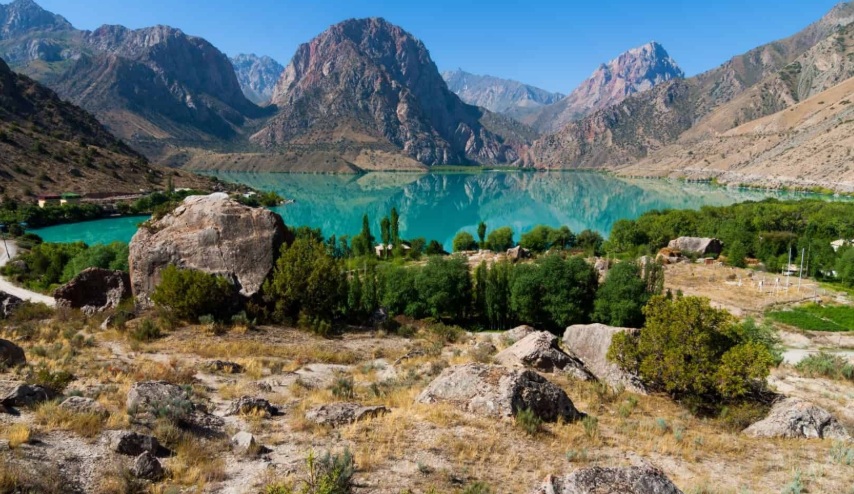
Tajikistan has mountains, lakes, cultural sites and opportunities for adventure tourism that could appeal to Malaysian travellers. Qadiri said developing services suited to Muslim visitors could further strengthen its appeal.
Malaysia, meanwhile, is already a regional destination for tourism, education, healthcare and business.
More students, tourists and professionals travelling between the two countries would help build familiarity that cannot be achieved through government meetings alone, he said.
There is also a wider regional opportunity.
Qadiri said Malaysian companies should consider Tajikistan not only as a market of its own, but as part of Central Asia, where demand for infrastructure, energy, food, technology and services is growing.
At the same time, Malaysia could give Tajik companies a platform into Southeast Asia through its ASEAN links and established commercial networks.
For the next five years, Qadiri said the focus should therefore be on tangible results rather than simply adding to the number of bilateral agreements.
That means attracting Malaysian investment, developing joint ventures and finding new routes for Tajik products into Malaysia.
A handful of successful projects in renewable energy, food processing, textiles, mineral processing, halal products or digital technology could, he said, change perceptions of what the relationship can deliver.
After more than 30 years of diplomatic ties, Qadiri said the political foundation was already there.
The next step was to make the relationship more visible in the real economy — through companies investing together, students exchanging knowledge, tourists travelling between the two countries and institutions developing lasting partnerships.
“The real measure of progress will not be how many meetings are held or how many documents are signed,” he said.
“It will be whether Malaysian and Tajik companies invest and implement projects together; whether students and professionals exchange knowledge more frequently; whether tourists discover new destinations; whether institutions build lasting partnerships; and whether the people of the two countries come to know and understand one another better.”
If that happens, Qadiri said, Malaysia and Tajikistan could become a practical bridge between two increasingly connected parts of Asia — Central Asia and Southeast Asia. – August 31, 2026









.jpeg)