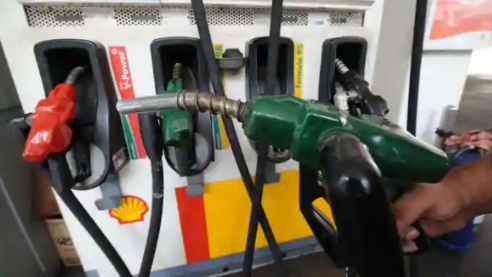
MALAYSIA’S unsubsidised fuel prices will rise by 25 sen a litre across the board from Sept 10 to 16, driven by higher global crude oil prices and growing risks to petroleum supplies amid the renewed escalation of the West Asia conflict.
Under the Automatic Pricing Mechanism (APM), the new prices are: RON97: RM4.50 a litre, up 25 sen from RM4.25; unsubsidised RON95: RM4.02 a litre, up 25 sen from RM3.77; unsubsidised diesel: RM4.92 a litre, up 25 sen from RM4.67.
The Ministry of Finance (MOF), in a statement today, said diesel prices have risen particularly sharply as refining capacity remains constrained and global inventories continue to fall.
Despite the higher unsubsidised prices, targeted fuel subsidies under the BUDI MADANI programme will remain in place.
Eligible BUDI95 recipients will continue paying RM1.99 a litre for RON95, compared with the unsubsidised price of RM4.02. This means the Government is absorbing RM2.03 a litre, or 50 per cent of the unsubsidised price, in subsidy.
BUDI Diesel recipients will continue paying RM2.10 a litre, compared with RM4.92 for unsubsidised diesel. The subsidy amounts to RM2.82 a litre, or 57 per cent of the unsubsidised price.
Subsidised prices will therefore remain as follows: BUDI95 RON95: RM1.99 a litre while BUDI Diesel: RM2.10 a litre; SKPS petrol: RM2.05 a litre and SKDS diesel: RM2.15 a litre.
Eligible Malaysians can continue purchasing subsidised RON95 and diesel using their MyKad, subject to monthly eligibility limits.
The basic monthly BUDI95 and BUDI Diesel quota was restored to 300 litres from Sept 1, while eligible owners of diesel-powered pickup trucks and four-wheel-drive vehicles can receive an additional 100 litres, bringing their monthly entitlement to as much as 400 litres.
MOF said Brent crude climbed during the latest APM calculation period, reaching US$97.31 a barrel on Monday, as the conflict between the United States and Iran intensified. The risk of disruption to petroleum supplies through the Strait of Hormuz has also increased, pushing up the geopolitical risk premium on global oil prices.
At the same time, international refined petroleum markets remain tight, with disruptions to refining capacity in West Asia and continuing attacks on Russian refineries reducing supplies of petrol, diesel and other petroleum products.
The Government said that after 193 days of conflict in West Asia, petroleum flows through the Strait of Hormuz and global refining capacity had yet to return to normal.
A prolonged disruption could further tighten refined-fuel supplies and increase upward pressure on global petrol and diesel prices. - September 9, 2026