WASHINGTON – United States military prosecutors have filed formal charges against an Indonesian extremist and two others in the 2002 Bali bombings and 2003 Jakarta attack, said the Pentagon yesterday.
The charges were filed nearly 18 years after the three were captured in Thailand, and after each has spent more than 14 years in the US military prison in Guantanamo Bay, Cuba.
The first charged was Indonesian militant Riduan Isamuddin, better known by his nom de guerre Hambali, the leader of Indonesian jihadist group Jemaah Islamiyah (JI) and believed to have been al-Qaeda’s top representative in the region.
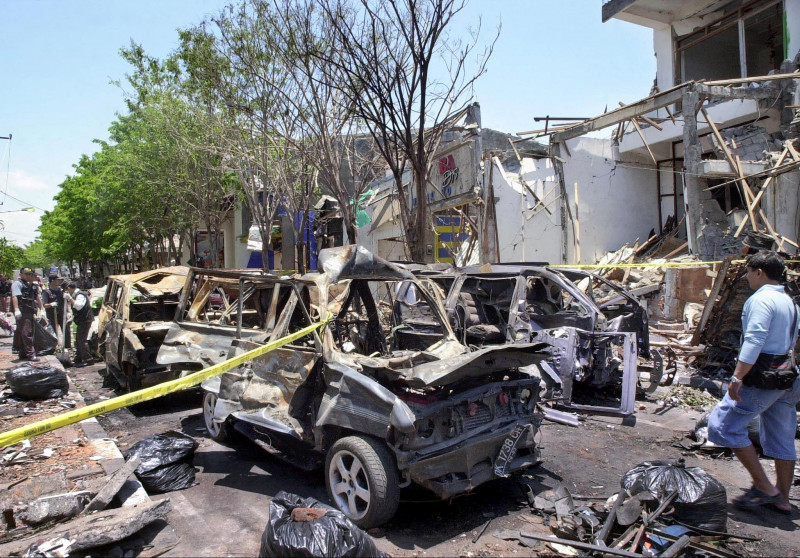
The group, with support from al-Qaeda, carried out bombings of tourist nightclubs in Bali on October 12, 2002 that killed 202, and the August 5, 2003 attack on the JW Marriott hotel in Jakarta that left 12 dead and scores injured.
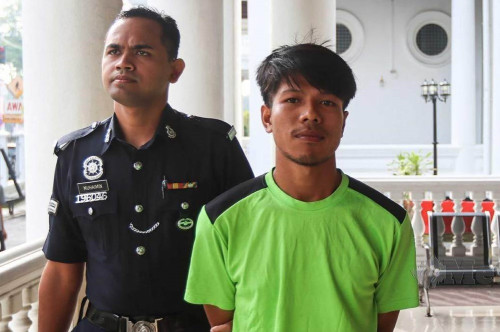
The other two charged, Malaysian nationals Mohammed Nazir Lep and Mohammed Farik Amin, were top Hambali aides in JI who had undergone training by al-Qaeda, according to Guantanamo case documents.
“The charges include conspiracy, murder, attempted murder, intentionally causing serious bodily injury, terrorism, attacking civilians, attacking civilian objects, destruction of property, and accessory after the fact, all in violation of the law of war,” said the Pentagon in a statement.
It is not clear why after years of delay that the charges before Guantanamo’s military tribunal were announced yesterday.
In 2016, Hambali’s bid to be released from Guantanamo was rejected because, according to prosecutors, he still represented a “significant threat to the security of the US”.
The charges were announced on the first full day of the administration of President Joe Biden.
When Biden was Barack Obama’s vice-president, they sought, but failed, to close the navy-run prison in Guantanamo, and had remaining prisoners either released or tried in US civilian courts.
Obama’s successor, Donald Trump, showed no interest in Guantanamo and its inmates, who include top al-Qaeda figure and 9/11 attack planner Khalid Sheikh Mohammed.
Little progress has been made on the status of the 40 detainees remaining there.
At its peak, around 780 “war on terror” detainees were held at the camp. Most have been released back to their countries. – AFP, January 22, 2021