KUALA LUMPUR – Implementation of home-based teaching and learning (PdPR) for students nationwide is a challenge, not only for parents, but teachers and students who have to face various issues.
A teacher at a school in Putrajaya said the attendance of online classes among students in the "back classes" is low.
"For example, the attendance of students from the first class is 24 people out of a total of 27, while the attendance among students from the back classes is six out of 19 people. Students who are good will survive and the weak will continue to be left behind.
"At school, teachers can call students face to face and motivate them, but when the class is conducted online, it depends on the students themselves, their preparation in terms of gadgets, data plan and self-motivation," he said today.
The teacher, who declined to be named, said other challenges of online classes is monitoring the students’ discipline and focus on their studies.
He said there are some students who open two windows or apps on their laptop screen – one for online class and the other to play games.
Form Three student of a school in Selangor Syakir Fazly, 15, said one of the challenges he faces studying at home is not being able to focus on his lessons as his siblings often make noise and disturb him when he is having online classes.
“It is difficult for me to listen to the teacher and other students. When a student has a question, the teacher just continues to teach because the teacher cannot hear the question and the student’s voice.
“Apart from that, not everything that is taught by the teacher can be clearly understood because the telephone screen is small. The link provided by the teacher is always difficult to access,” he said.
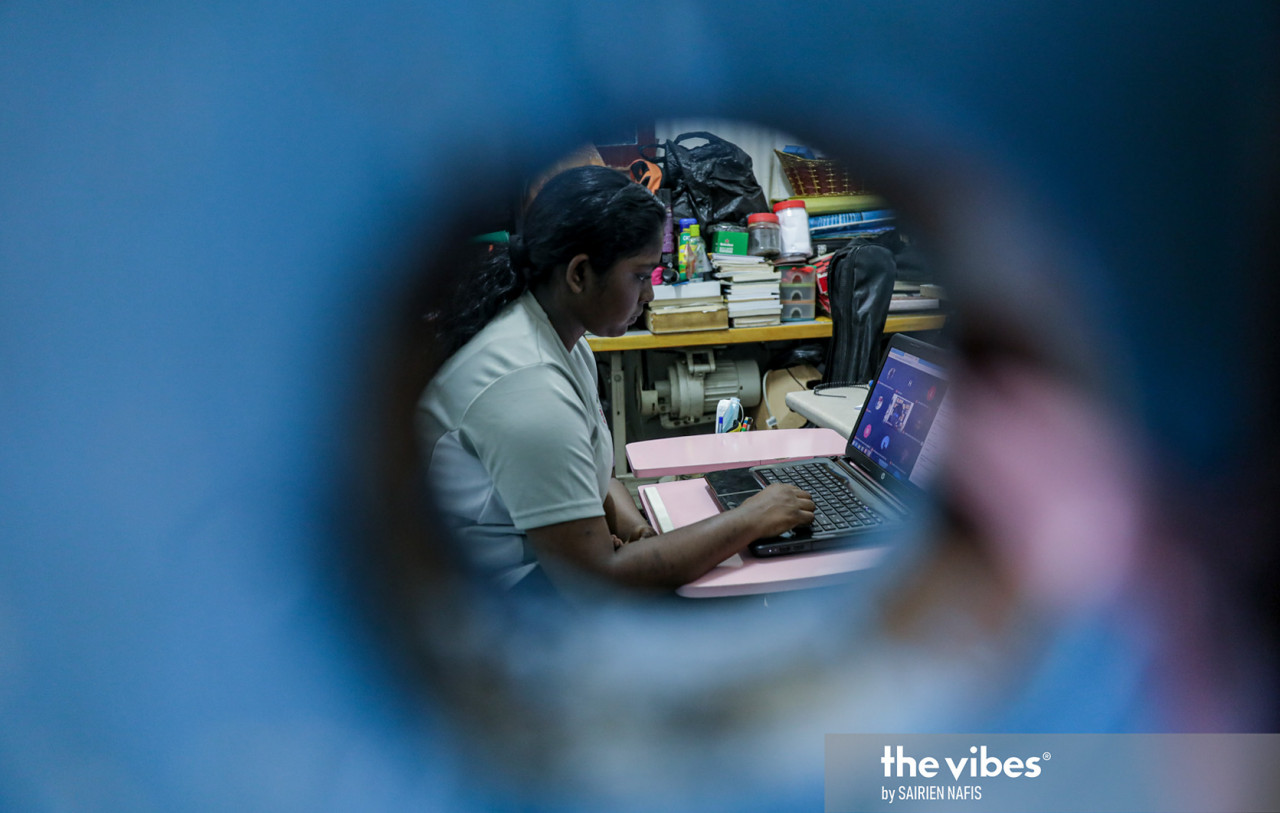
Private sector employee Shahidah Musa, who is in her late 30s and has children attending Year One and Two in Selangor, said some teachers are inconsistent about which platforms they use for their PdPR classes.
"There are times the teacher uses WhatsApp, then switches to Telegram. The learning medium also changes… from Zoom to Google Meet and video calls.
“Apart from that, the time the class starts also keeps changing. The first day, it was at 9.30am, the second day at 10am. Parents have to wait for information and updates from teachers," she said.
Shahidah, who bought mobile phones for her children to facilitate their online learning, said there are parents who have to "learn" how to use Google classroom applications to enable them to help their children with their assignments, especially those that require them to record videos.
Businesswoman Norazah Muda, 49, said her youngest son, who is supposed to enter Form One at a private religious residential school in Negri Sembilan, has yet to start his PdPR lesson.
"I am worried about buying him a mobile phone or laptop because, based on my experience, during the movement control order (MCO) period last year, I found he became obsessed with video games and even shopped online when he had access to the device,” she said.
Norazah said during last year's MCO, her son used her handphone to follow the PdPR lessons and do his homework.
Hairunnisak Aman, 39, of Johor, who has children aged 6, 8 and 10, said the PdPR not only demands high discipline from students, but parents also have to play their role to ensure their children are focused.
"It is quite challenging because it requires a high level of commitment to participate in the Google Meet, Google Classroom, Telegram and WhatsApp sessions for three children who are all in primary school at the same time.
“However, for now, I can still find time to monitor them,” said the food caterer. – Bernama, January 24, 2021