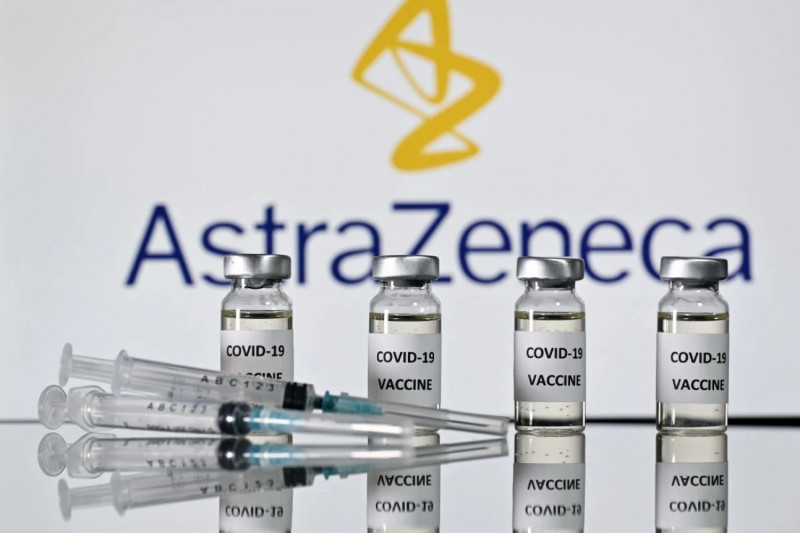
KUALA LUMPUR – The first batch of the AstraZeneca Covid-19 vaccine is expected to arrive in Malaysia in the second quarter of this year, said the pharmaceutical company.
AstraZeneca Malaysia country president Dr Sanjeev Panchal in a statement yesterday said the company will continue to fulfil its commitment to provide broad and equitable access at no profit.
“We are working closely with the Malaysian government to help stem the pandemic, enable people to return to normalcy and pave way for the country’s economic recovery.”
Yesterday, the AstraZeneca vaccine was granted conditional registration approval in Malaysia by the National Pharmaceutical Regulatory Agency for active immunisation of individuals 18 years and above for the prevention of Covid-19.
The approval, Dr Sanjeev said, marks another important milestone following a landmark agreement with the government, and aims to supply 6.4 million doses of the vaccine to millions of Malaysians.
He said the approval decision is anchored on rolling submissions, which included results of an interim analysis of the Phase III programme conducted by Oxford University and published in The Lancet on December 8 last year.
The authorisation is for the two standard dose regimen of the AstraZeneca vaccine, which has shown in clinical trials to be well-tolerated and effective at preventing symptomatic Covid-19, with no severe cases and hospitalisation of more than 14 days after the second dose.

“This is a day we have all been anticipating. This conditional registration will provide millions of Malaysians with access to AstraZeneca’s effective, well-tolerated and simple-to-administer vaccine once supply becomes available,” said Dr Sanjeev.
He said clinical trials have found that it is 100% protective against severe disease, hospitalisation and death, more than 22 days after the first dose, where a single dose of the vaccine has an efficacy of 76% against symptomatic Covid-19 in the first 90 days after administration.
He said vaccine efficacy after the second dose is higher in those with a longer interval, reaching 81.3% in those with a dosing interval of 12 weeks or more, and research indicates that it reduces transmission of the disease by 67%.
“The vaccine can be stored, transported and handled at normal refrigerated conditions (between 2°C and 8°C) for at least six months. It is easily administered within existing healthcare settings.”
The AstraZeneca vaccine has been granted authorisation for use in the European Union, United Kingdom, Argentina, Dominican Republic, El Salvador, Mexico, Saudi Arabia, UAE, Kuwait, Bahrain, Oman, Egypt, Algeria, Morocco and in Asian countries, such as India, Taiwan, Philippines, Thailand and Vietnam, as it continues to seek approval worldwide. – Bernama, March 3, 2021