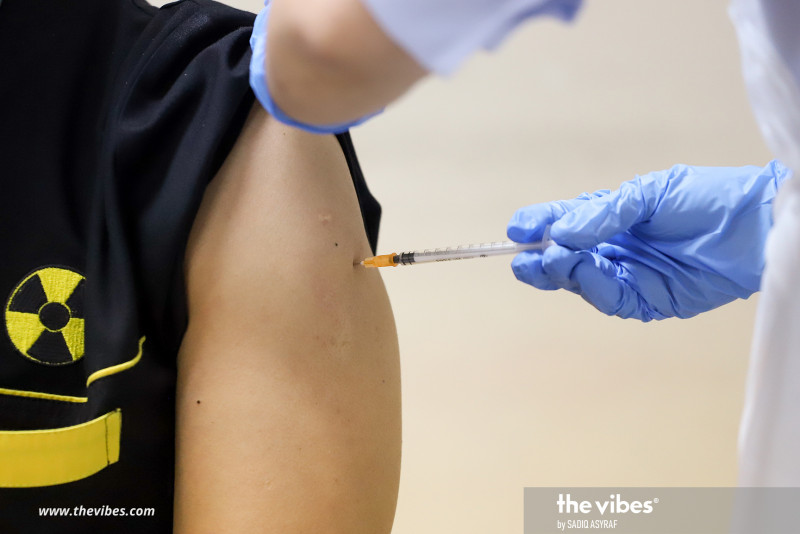
KUALA LUMPUR – The Science, Technology and Innovation Ministry (Mosti) and Mimos Bhd, with the assistance of the Health Ministry, have begun a vaccine tracing project utilising blockchain technology at the proof-of-concept stage.
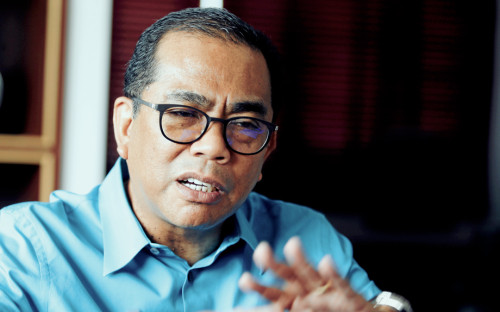
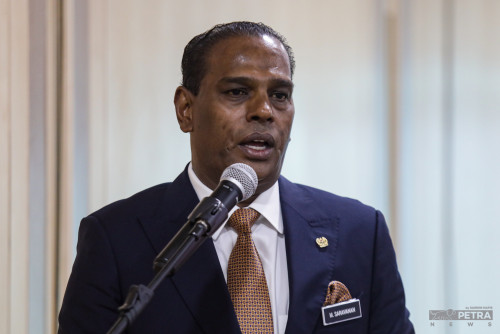
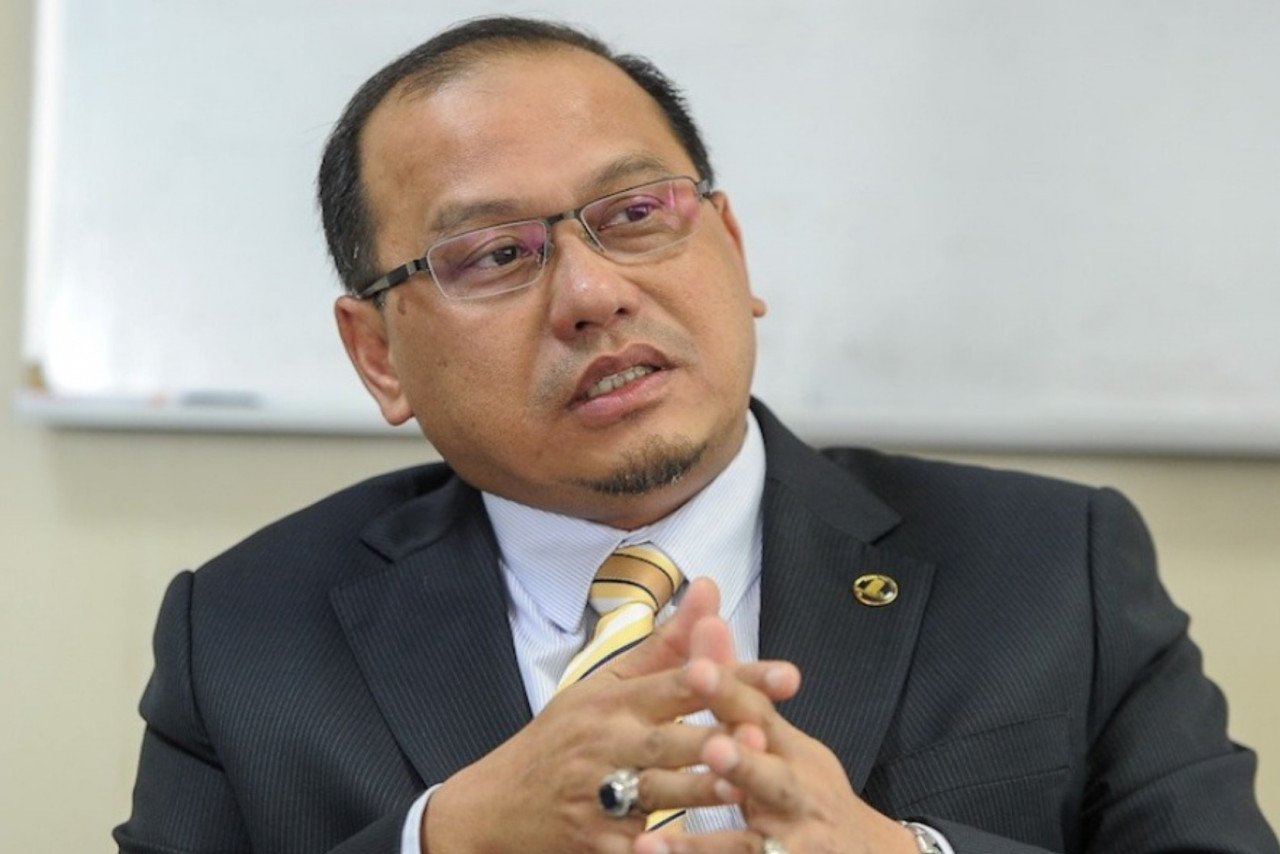
Mosti Deputy Minister Datuk Ahmad Amzad Hashim in a statement yesterday said this project can be used not only for the Covid-19 vaccine, but also for other medication in Malaysia.
“It will begin today (yesterday) with a series for each medication, with tracing done from the manufacturer and supply chain to the doctor who dispenses the medication and individual who receives it.
“This system can be used to prepare a digital health certificate that meets international standards – for instance, a CommonPass that is supported by the World Economic Forum and Rockefeller Foundation – and will facilitate travel and cross-border movements.”
He said one of the applications of blockchain technology is to trace the movement of medication, which at a global stage, is estimated to be worth around US$500 million (RM2.044 billion) by next year.
He added that blockchain can be used in insurance evaluations and claims, verification of healthcare workers, medication and equipment supply chains, self-health evaluations, health data exchange, as well as research and clinical assessments.
“Blockchain can be used to confirm the veracity of medication, and this will provide proof of the medication from manufacture to use... For example, it can be used to trace vaccines from the factory till the administration and distribution levels.”
Amzad said the technology can improve access to patients’ medical records, which, at this time, has limitations as the electronically kept records in one hospital database cannot “speak” to its counterpart in another hospital due to different operation and equipment specifications.
He said this causes a low level of efficiency between different hospitals when dealing with the same patient.
“Blockchains that can be accessed universally will enable data to be accessed by related parties safely and securely... access can be given by patients, using smart contracts.
“This not only places control of health data in the individual’s hands, but also reduces the time for accurate treatment.”
He said the same concept can help increase the efficiency of medical insurance claims, where a patient must deal with different doctors, clinics and hospitals, causing the medical history to be spread among different places.
“Parking medical records in blockchains that allow proper access and not only enables faster access by insurance companies, but also helps reduce the occurrence of scams.”
He said this kind of technology can also be used in various fields, from agriculture to fisheries, health to education and various other fields that could spur the country’s socio-economic level.
He added that blockchain can be viewed as a database that can be shared among certain users in a distributed and decentralised manner.
“This way, no one person will have power over the database, which will also have a digital log for all related transactions… The data kept there will be secure through encryption. The data block will be chained together to form an audit record that cannot be altered.” – Bernama, March 3, 2021