KUALA LUMPUR – Today marks a year of the implementation of the movement control order (MCO) by the government to break the chain of Covid-19 infections.
Since then, Malaysians have gradually adopted new norms in daily routines, something never before experienced, following the implementation of various restrictions due to the pandemic, with a devastating impact on all individuals, families, businesses and the government.
Prime Minister Tan Sri Muhyiddin Yassin had, on March 16 last year, for the first time in the country’s history, announced the implementation of the MCO, effective March 18, in accordance with the Prevention and Control of Infectious Diseases Act 1988.
Since then, it has become routine for Malaysians to wait for daily updates from the prime minister and Senior Minister (Security) Datuk Seri Ismail Sabri Yaakob on developments concerning the MCO.
Undoubtedly, looking back after a year of the MCO, the restrictions have taught us important lessons and given us wisdom on ways to stay united in the fight against the pandemic.
In the process, we have become more resilient and creative to ensure our survival.
MCO forces big changes to daily life
Social restrictions and the introduction of physical-distancing rules have had a huge impact on people’s daily lives, including virtual school classes, meetings, seminars and conferences.
House visits and balik kampung for religious celebrations and weddings have also taken a back seat during the MCO.
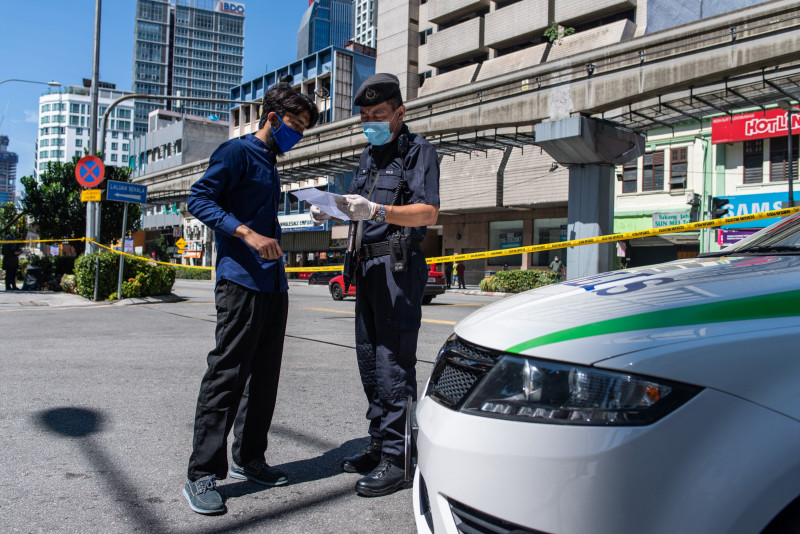
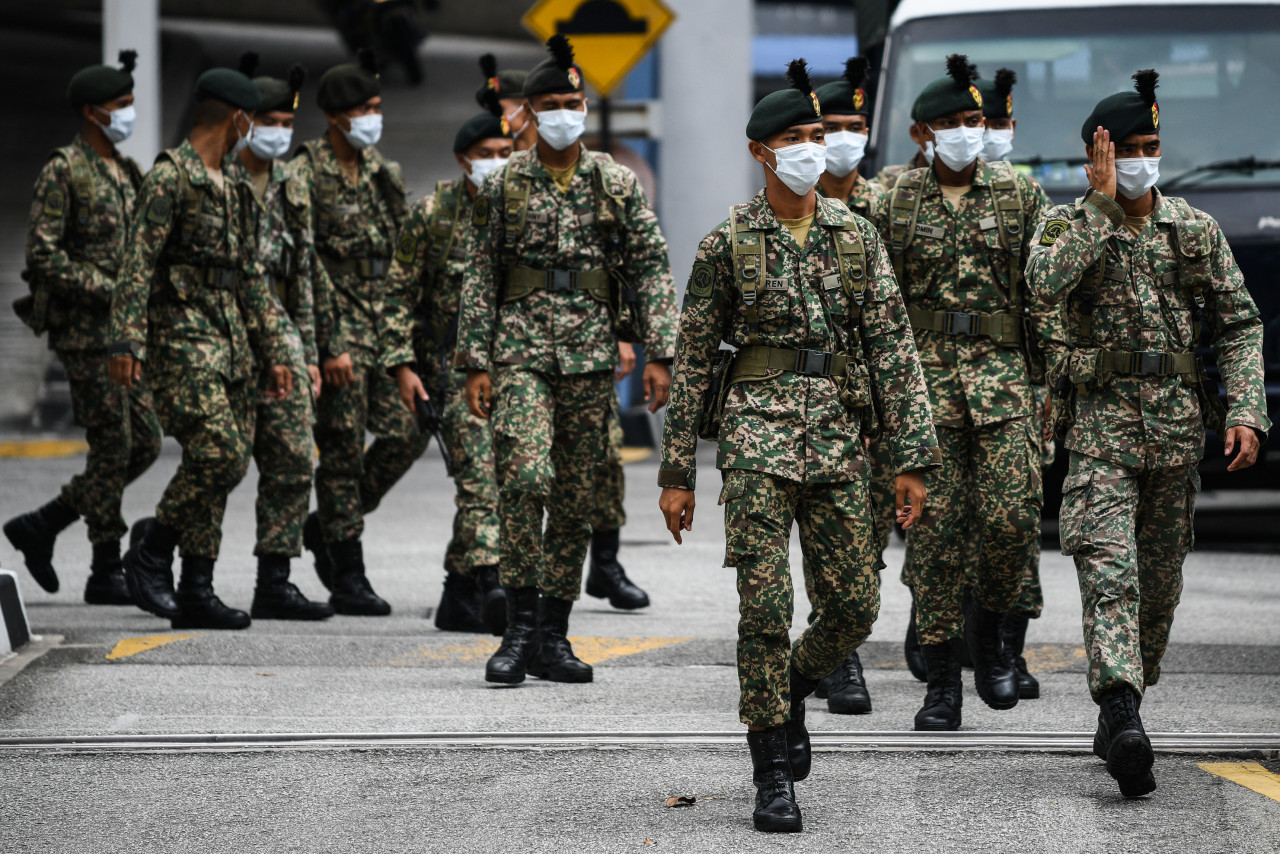
Roadblocks were mounted nationwide to ensure citizens stayed home and avoided going out without valid reasons.
When the infection curve started showing a declining trend on May 4, the government loosened the SOPs slightly with the introduction of the conditional MCO (CMCO) to reopen the country’s economic sector in a controlled manner.
Despite reopening several economic sectors, sports activities involving large gatherings, physical contact and other risks of infection were still not allowed.
Interstate travel was also disallowed, except for work purposes and for those returning home after being stranded in their home towns or elsewhere.
Then, on June 10, the CMCO was replaced by the recovery MCO (RMCO), marking the recovery phase until December 31.
However, due in part to the lackadaisical attitude in complying with SOPs, a sharp increase in Covid-19 cases was seen, causing the government to announce the reimplementation of the MCO for 14 days from January 13 to 26 in Penang, Selangor, the Federal Territories (Kuala Lumpur, Putrajaya and Labuan), Melaka, Johor and Sabah.
At the same time, the CMCO was reimposed in six states, namely, Pahang, Perak, Negri Sembilan, Kedah, Terengganu and Kelantan.
On Tuesday, the government announced that the CMCO in three states – Kedah, Perak and Negri Sembilan – will be changed to the RMCO, while six other states, as well as a few districts, remain under the CMCO effective tomorrow until March 31.

The extension of the CMCO in Selangor, Kuala Lumpur, Johor, Penang and Kelantan will take effect from March 19 to 31, while in Sarawak, from Tuesday to March 29. Seven other states – Perlis, Melaka, Pahang, Terengganu, Sabah, Putrajaya and Labuan – remain under the RMCO.
Interstate travel is still banned, except for travel bubble activities, while inter-district travel is allowed, except in Sabah and Sarawak.
Govt help for the rakyat
Understanding the people’s struggles, the government acted swiftly by announcing various economic stimulus packages to ease the people’s burden.
Among them were the Bantuan Prihatin Nasional (BPN) to provide cash assistance and the Wage Subsidy Programme to help employers maintain their businesses and employees under the Prihatin Rakyat Economic Stimulus Package (Prihatin).
A large allocation of RM320 billion, released through five stimulus packages, clearly demonstrates that the government is consistently prioritising the well-being and welfare of the people.
These include through the Prihatin plan, involving RM250 billion; the Prihatin Package for SMEs (Additional Measures) involving RM10 billion; the National Economic Recovery Plan (Penjana) involving RM35 billion; the Prihatin Supplementary Initiative Package (Kita Prihatin) involving RM10 billion and the latest, the Permai Package involving RM15 billion.
After more than a year battling the pandemic, which has claimed more than 1,000 lives thus far, finally, on February 21, the first batch of the Pfizer-BioNTech Covid-19 vaccine arrived at Kuala Lumpur International Airport (KLIA), and on February 27, Malaysia took delivery of the Sinovac vaccine.
Malaysians have been praying daily for the Covid-19 pandemic to ease and then completely disappear, hoping that, for years to come, there will be no more MCO, leaving it merely a sweet, bitter and precious experience for us all. – Bernama, March 18, 2021