
KUALA LUMPUR – The Strategic Programme to Empower the People and Economy (Pemerkasa) spreads government aid to a broad section of society, but its benefits are thin.
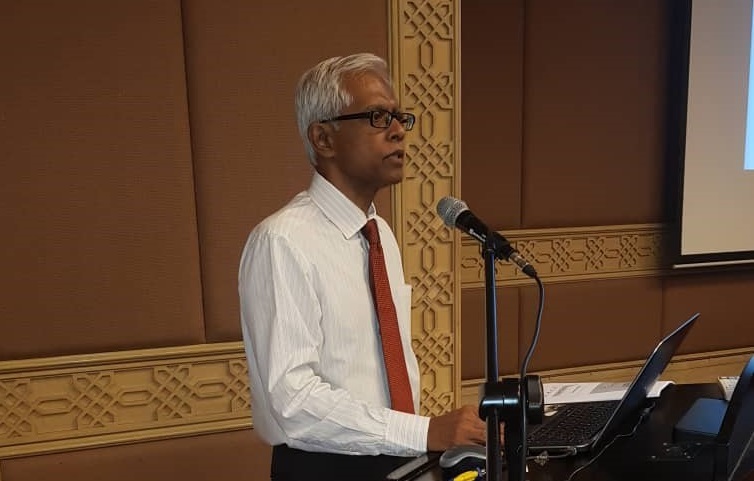
In his assessment of the latest initiative announced by Prime Minister Tan Sri Muhyiddin Yassin yesterday, economist Shankaran Nambiar of the Malaysian Institute of Economic Research said the coverage is comprehensive as it includes small and medium enterprises, frontliners, the B40 group, the unemployed, and even delivery riders.
“While the government targets those who are suffering losses, the package attempts to catalyse recovery in the future.
“The incentive it plans to extend to the aerospace industry is a good example,” he told The Vibes.
However, he said, many groups will not be able to report a marked improvement in well-being as so often happens when benefits are spread thinly over a wide area.
Addressing the government financing of the RM20 billion package, Shankaran said while Putrajaya’s fiscal deficit is expected to increase over the period, rising crude oil prices will eventually be able to provide some relief.
“Higher oil prices will increase government revenue and ensure the fiscal gap isn’t too big.”
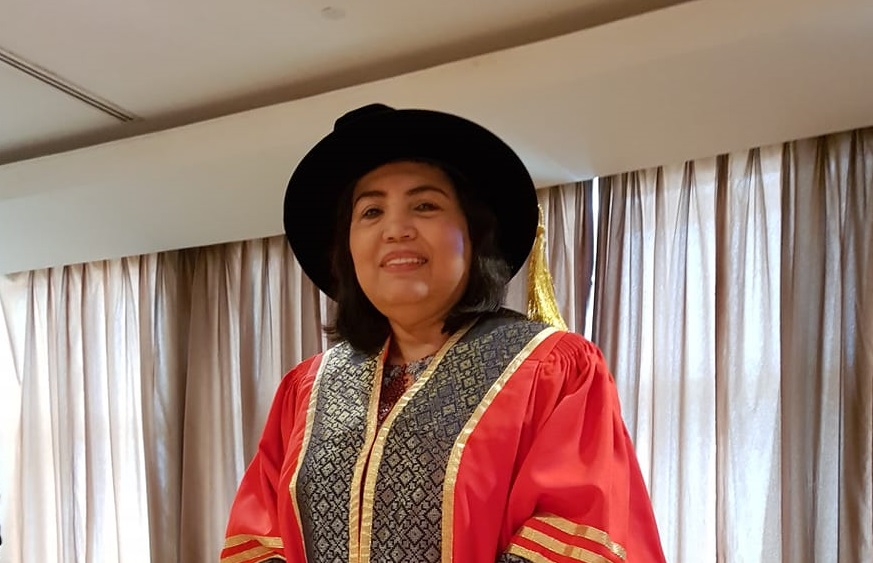
On the other hand, economist Datuk Jalilah Baba said the government should continue to include more segments of recipients in its stimulus packages.
An increase in funds, she said, is pivotal for certain segments of society, as it will lead to a multiplier effect for other segments, too.
“Focus should also be given to sectors that attract or facilitate domestic investments. There should be more focus on reviving SMEs to ensure their survival amid the pandemic.
“SMEs are supporting bigger companies in terms of producing and supplying parts and components for bigger manufacturers,” she told the New Straits Times.
While calling Pemerkasa a good package, she said funds should be given primarily to the people and the business sector, which is in dire need of help to stay afloat.
She said the government should relax certain criteria for receiving allocations, and expand the number of recipients for each initiative under the package. – The Vibes, March 19, 2021