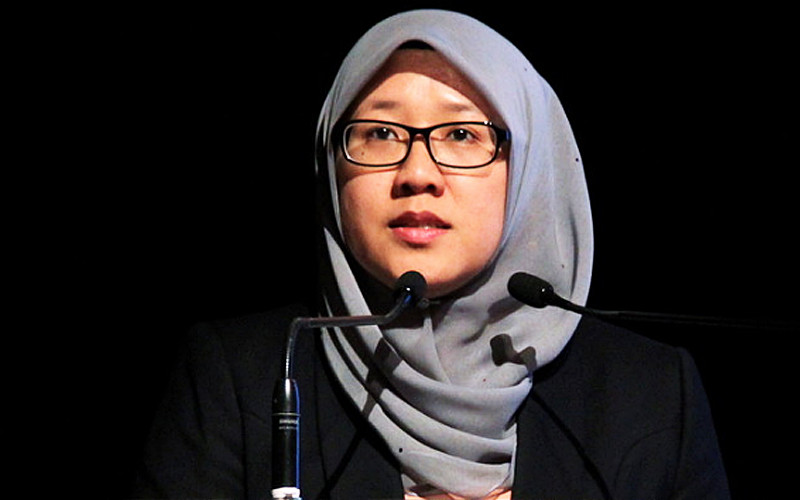

KUALA LUMPUR – Women can make better prime ministers in Malaysia if given the right opportunities, said Kota Belud MP Isnaraissah Munirah Majilis.
She said many neighbouring countries have had women fill the top post, and there is no reason Malaysia cannot follow suit.
The former deputy energy, science, technology, environment and climate change minister added that no one can deny the contribution of women to the country’s development.
This, she said, is evident in the roles women leaders have played in the past, such as former international trade and industry minister Tan Sri Rafidah Aziz, former deputy prime minister Datuk Seri Dr Wan Azizah Wan Ismail, former science, technology, and innovation minister Yeo Bee Yin, Permatang Pauh MP Nurul Izzah Anwar and Kuantan MP Fuziah Salleh.
“There is no role that women cannot play in Malaysian politics today. I think women can even become better prime ministers,” she told a webinar this evening.
Isnaraissah was one of the speakers in the Women in Politics and the Politics of Women forum hosted by the the US embassy in Kuala Lumpur.
She was asked about the role of women in Malaysian politics and the biggest barriers to their participation.
Isnaraissah said some of these include the question of whether women can work in politics full-time as they also carry responsibilities tied with motherhood, especially those who are young and just starting their careers.
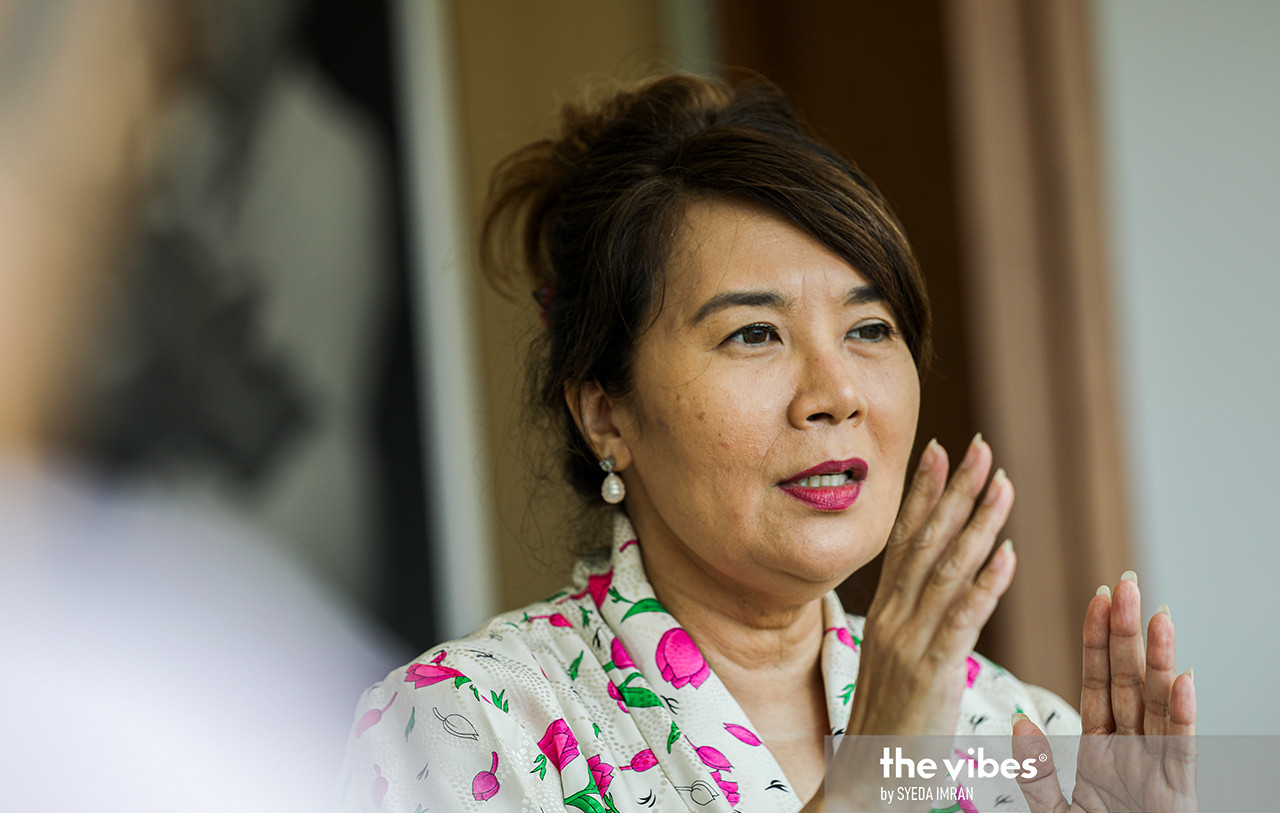
“But given the chance, we can do it (be prime minister) better.
“Because Indonesia, the Philippines and all those neighbouring countries like Thailand have proven it, so why not Malaysia?” she said, adding there should be more opportunities for women in the country to pursue the top post.
The webinar, moderated by US embassy Kuala Lumpur political officer Bryn West, also featured Bernama chairman Senator Datuk Ras Adiba Radzi and Undi18 founder Qyira Yusri.
Responding to the same question, Qyira said the role of women in politics is to provide a balanced perspective in policy-making.
“Malaysians have a role in voting more women into Parliament and pushing for more women into the senate because we want to ensure there’s balanced representation in these important institutions.”
Meanwhile, Ras Adiba, who is also an advocate of people with disabilities (PWDs), said significant gaps still exist in terms of female representation in leadership roles, although it has been more than 10 years since the country ratified the United Nations Convention on the Rights of Persons with Disabilities.
“Significant gaps continue between commitment and action to achieve gender equality... And also, the empowerment of women and girls with disabilities.
“Nonetheless, some women with disabilities are playing prominent roles in the public sphere. But women with disabilities are severely underrepresented in decision-making.” – The Vibes, March 30, 2021