
KOTA KINABALU – Fabian George used to have a comfortable life working as a freelance tour guide.
He was able to make rent for his apartment without fail, support his wife and three children with ease, and even save a few hundred ringgit every month.
But the travel restrictions that came with the Covid-19 pandemic have caused Sabah’s multi-billion ringgit tourism industry to come to a screeching halt, leaving thousands of people like Fabian – who works in the services sector and professionals, such as engineers, architects and salesmen – jobless almost overnight.
“I was earning around RM5,000 to RM6,000 a month and, when times were good, I was able to get RM7,000, plus commission. Each week, I would work about four to five days as assigned by the tour companies. It was a very good time then.
“But when the Chinese tourists stopped coming last year due to the pandemic, I have had no job assignments at all,” he told The Vibes.
Even before the pandemic and lockdowns that ensued, Sabah was already suffering from a 5.8% unemployment rate in 2019, significantly higher than the national rate of 3.3%.
The unemployment rate for 2020 and the first quarter of 2021 are expected to plunge further, with the Statistics Department estimating more than 280,000 jobless youth.
Industry observers believe the current problem in Sabah is exacerbated by the high number of locals hired in the hospitality and services industries. More than 90% of those hired in the two sectors are locals.
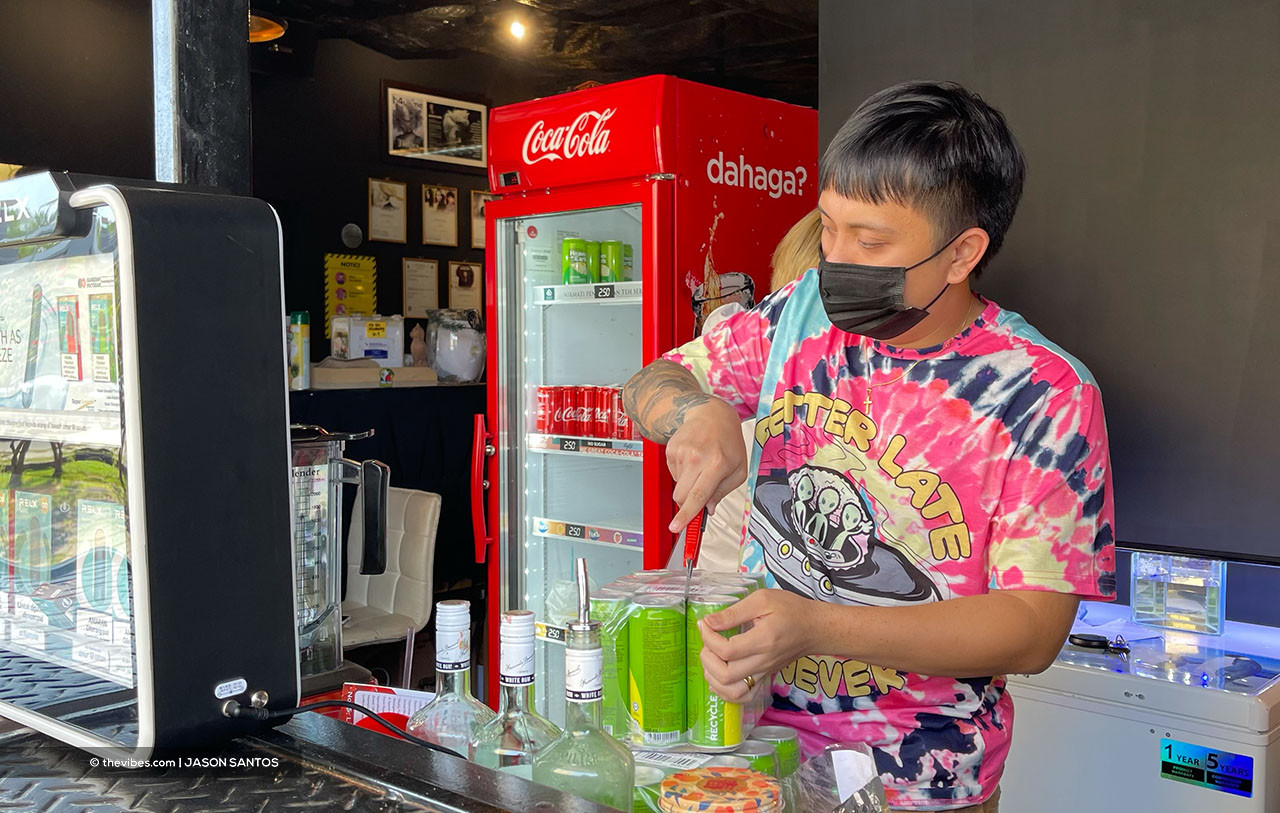
“This is why locals were the most affected when the tourism sector was hit by travel restrictions brought about by the pandemic. There is also a lack of job diversification in the state, unlike in Peninsular Malaysia, where even graphic designers, for example, can sustain a stable income,” said an industry source.
Foreign travellers, especially from China, made up the bulk of international visitors to Sabah, generating millions of ringgit for the state economy.
Last year, Sabah posted only 46,129 arrivals from China – a drop of 92.3% compared with 2019. Overall, last year, the state saw a 87.7% drop in international arrivals and 70.8% reduction in domestic tourists.
The sharp decline has forced hotels and businesses to lay off workers and even shut down, forcing many employees to find the easiest job alternatives available to make ends meet.
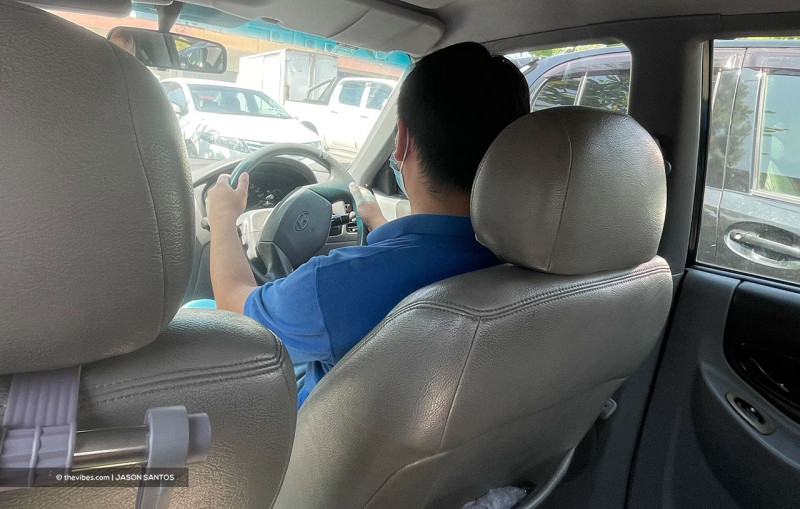
For many like Fabian, becoming e-hailing drivers offers some breathing space, especially with the gradual reopening of the Sabah economy directly improving their income.
“After the second wave of Covid-19 infections, there were days when I had no passengers at all. At most, I had a third of the orders compared with previously.
“I have a target to meet and if I cannot meet it, then I will be in trouble for not being able to pay all my dues,” said another e-hailing driver Anthony Chin, who said he was forced to default on his monthly commitments due to the low number of passengers last year.
However, as the economy slowly reopened this year, he said he has settled his backdated bills with the increasing number of passengers.
Chin, a former cook at a five-star hotel here, said the income he earns from e-hailing is not even half of what he had made at his old job, but was almost enough to sustain his family.
A sticking point
Sabah Employers Association (SEA) leader Yap Cheen Boon, however, said unemployment in the state is a reflection of a sluggish market that is highly reliant on one sector.
He said this is the reason certain industries are not able to offer more jobs.
“Youth unemployment is going to be a sticking point. Youth, especially, are in a quagmire – they need jobs to gain experience, yet, without experience, they find it hard to get jobs.
“Normally, they will still be able to find jobs to get started in the market, and slowly climb the career ladder.”
Yap said the pandemic has left the economy without much wriggle room, with many businesses downsizing and maximising the workload of their workers to keep afloat.
Unofficially (or personally), I would say, go seek opportunities in Peninsular Malaysia. When economic recovery does come, it will be felt there first.
Bosses are also more stringent in hiring, said Yap, adding that youth and the inexperienced are being squeezed out by more experienced workers.
“The government has been trying to get youth to pick up vocational skills by offering free or subsidised courses to increase their employability.
“This is falling short as the job market is still not as buoyant as it was before the pandemic.”
Ultimately, Yap said Sabah youth remain the hardest hit – facing a shrinking job market with high costs of hiring (minimum wage, EIS, HRDF and other legislative obligations), and a weakened economy with smaller capacity in the absence of foreign tourists and greatly hindered by logistical linkages.
“What should they do? Officially, SEA has no answer as we have seen many businesses close down since 2019.
“Unofficially (or personally), I would say, go seek opportunities in Peninsular Malaysia. When economic recovery does come, it will be felt there first. It will also serve as a better place to pick up experience and exposure for later career advancement.” – The Vibes, April 7, 2021