
GEORGE TOWN – The Centre to Combat Corruption and Cronyism (C4 Centre) has joined calls for toughened measures against plastic waste dumping, saying that more transparency and inter-agency cooperation is needed if Malaysia is serious in efforts to stamp out the stigma of being labelled the world’s leading importer of plastic waste.
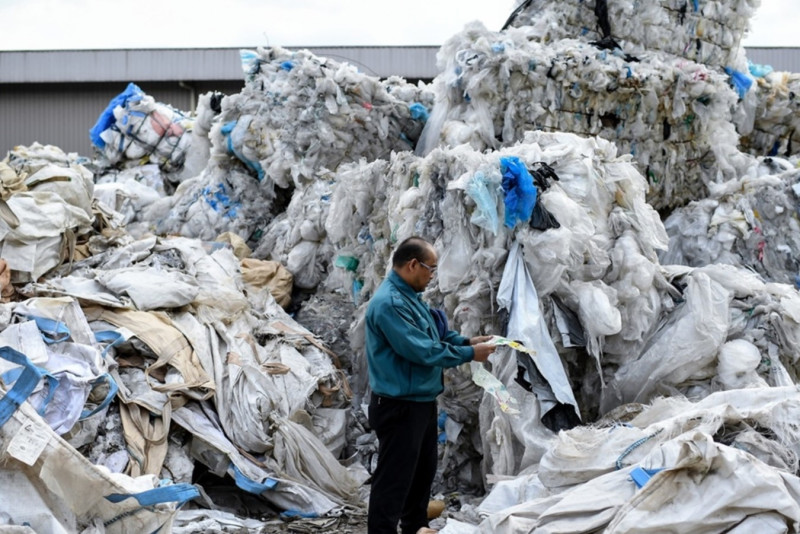
This issue has inadvertently led to the rise of illegal recycling facilities and dumpsites, causing air, land and water pollutions that affect those who live near these places, it added.
C4 Centre investigative researcher Wong Pui Yi in a report – titled Malaysia is not a “garbage dump”: citizens against corruption, complacency, crime and climate crisis – concluded that the federal and local governments, as well as the authorities in between, are all struggling to monitor plastic waste import.
The report highlighted the link between corruption and illegal recycling operators, who allegedly dump waste indiscriminately, ruining rivers and beachfronts. Indiscriminate dumping can also lead to soil contamination and erosion.
In response, C4 Centre has made six recommendations.
It underlines a need for accountability and transparency to act against abuse of power and corrupt practices linked to plastic waste mismanagement.
“Increasing transparency can serve the business community and people by building up the level of trust in authorities and encouraging scientific, evidence-based decision-making.”
The centre called for a complete ban on the export and import of plastic waste, citing that illegal trading of junk is extremely difficult to control, especially when the capacity of enforcement authorities in Malaysia is limited.

If a ban is not feasible, exporting countries should, at the very least, institute controls that will allow the export of waste with a maximum of only 0.5% contamination rate, according to the Basel Convention.
“Allowing the continuous export of mixed, contaminated waste will lead to more pollution in importing countries,” said C4 Centre.
“The government, businesses and communities must come together in multilevel, multi-stakeholder efforts to address the challenges of balancing economic growth and environmental protection.
“The right to a clean, healthy, safe and sustainable environment is becoming increasingly relevant in the face of a climate crisis. Hence, the human right to the enjoyment of food, water, health, sanitation and adequate standard of living must be preserved at all costs.”
The centre has also urged for a full implementation of the National Anti-Corruption Plan 2019-2023.
“The right to information, effective remedies and public participation are vital procedures for environmental protection and good governance.
“The government should strengthen the Whistleblower Protection Act 2010, enact a right to information act, reintroduce local government elections, develop a national action plan on business and human rights, and align economic developments more substantively with the UN’s Sustainable Development Goals.”
From January to November 2018, Malaysia became the world’s top destination for plastic waste export, importing more than 750,000 tonnes of plastic waste.
It highlighted China’s National Sword Policy, which came into effect in 2018, that bans 24 types of solid waste imports, including plastic and paper.
The policy caused a global disruption in the recyclable material market, and redirected plastic waste to Southeast Asian and other developing countries with weaker regulatory frameworks and less technical capacity to deal with the massive amount of junk.
From January to November 2018, Malaysia became the world’s top destination for plastic waste export, importing more than 750,000 tonnes of plastic waste, including foreign municipal or household refuse.
C4 Centre questioned how plastic waste enters Malaysia with such ease, and what elements of illegality surround its recycling facilities.
It questioned the roles played by the federal, state and local governments in governing the plastic waste recycling industry, as well as weaknesses in legal and policy frameworks in this area.
It also found that the problems plaguing the recycling industry have led to allegations of factories without proper licences and pollution controls, gangsterism, a worrying political-business nexus, smuggling and a lack of public access to information.
“It exposes weaknesses in enforcement and oversight mechanisms, which have enabled the prevalence of environmental crimes that will exacerbate the climate crisis and threaten peoples’ health, a serious concern in the face of the Covid-19 pandemic.” – The Vibes, April 9, 2021












_Datuk_Rusdi_Mohd_Isa._Facebook_pic..png)