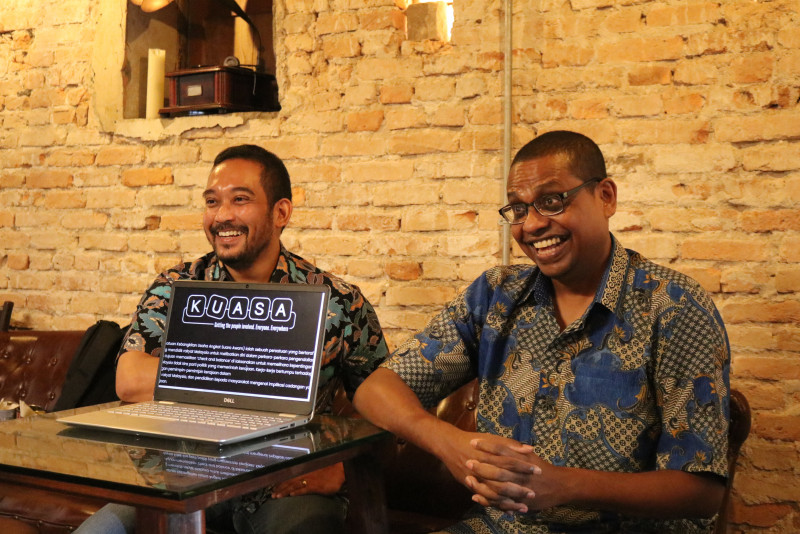

KUALA LUMPUR – Starting with 20 parliamentary seats, civil society group Kuasa aims to provide information on electoral candidates as the lack of it “reduces the democratic principle of informed choice”.
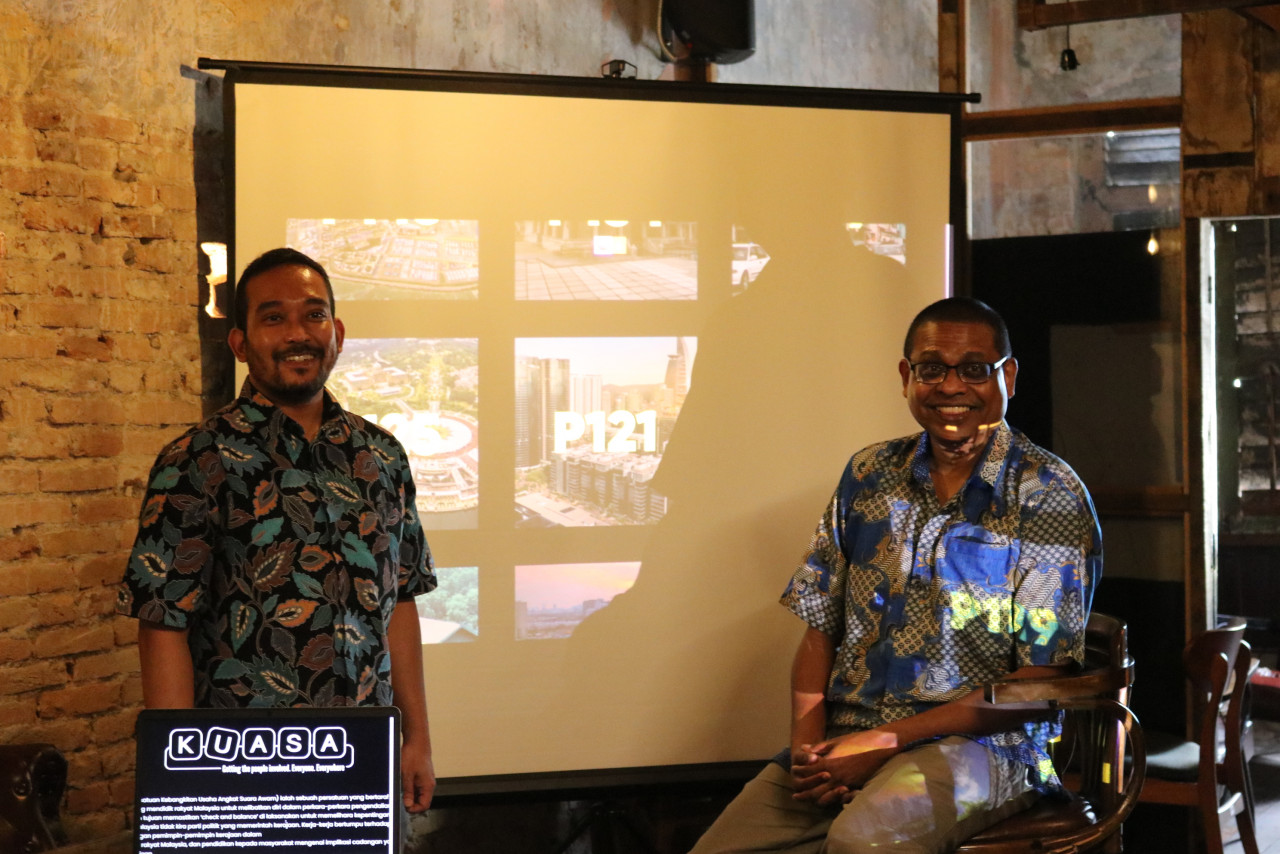
Speaking to The Vibes, Kuasa chairman Praba Ganesan said the organisation is primarily interested in increasing the public’s understanding of the democratic process.
“People are getting late information regarding the elections and their candidates. When the information is given late, people have less time to make a determination.”
He said since May 13, 1969, the campaign period was shortened to reduce the risk of violent incidents.
“Sometimes, such a short period of time will only benefit incumbents. When people aren’t sure, they go for the safer choice.”
It is understood that Kuasa will track 20 parliamentary seats first, and provide information concerning the constituency, including previous contests and possible as well as confirmed candidates.
Praba said Kuasa is only focusing on 20 seats for now due to resource constraints, and hopes to provide coverage for more constituencies later.
“There was a combination of factors as to how we decided on the 20 seats to highlight. Basically, they comprise those where close races are expected, and those with interesting personalities as candidates.”
The data will be collected by Kuasa and released to the public.
Rural voters count, too
On accessibility for rural voters, he said: “First of all, it is a high target to achieve if you’re trying to completely educate (everyone).
“We are collecting information from various places to be put into a single place. We seek to promote that information and public participation.”
He added that even in rural places, the younger populace have access to the internet, although it may be more difficult.
“So, older people in rural areas may not have access to the information, but their children and grandchildren might.”
Sharizal Shaarani, also from Kuasa, agreed, saying that a significant number of voters are migratory, that is, they may not vote where they live.
“Usually, younger voters live in urban areas. When they head home to vote, they bring back a vast amount of information.
“And people in rural areas don’t necessarily lack connectivity, it is just that they may not be online all the time. Plus, they may have WhatsApp,” he told The Vibes.
Kuasa also plans to make such information available on social media platforms. – The Vibes, April 14, 2021