.jpg)

KUALA LUMPUR – Creative industry players are up in arms about the National Film Development Corporation Malaysia’s (Finas) renewed call for the licensing of content published on social media.
Speaking to The Vibes, they expressed concern that the proposal by Finas CEO Ahmad Idham Ahmad Nadzri could lead to the suppression of up-and-coming content creators.
The industry as a whole risks losing out, with potential talent not given the opportunity to shine, they warned.
Describing the call as unwarranted, content creator Munaa Bella said it will only hinder the creativity of many Malaysians who post videos on social media platforms including YouTube, TikTok and Instagram.
“For people who are just starting out and may not have the necessary resources, they will unfortunately and definitely be left behind.”
With many Malaysians creating content as a hobby, she said, regulating and licensing these materials is unhealthy.
She stressed the need for creators to be granted certain freedoms.

“We have seen many makcik from the kampung, for example, who record videos of themselves cooking and sharing their recipes.
“They are just passionate about it. And by chance, they start gaining followers and making money from there.
“We can’t just take that away from them by imposing restrictions such as licences.”
It should be the government’s responsibility to create awareness and educate the public on the responsible use of social media platforms, said Munaa, adding that users should also be more mindful about not promoting content deemed harmful.
As for content creators, she said they should have the good conscience to create materials that are beneficial to viewers, and not insensitive.
Idham this week said the emergence of social media content, which bypasses censorship and government certification, is among the reasons insensitive commercials, such as the recent Hari Raya Aidilfitri-themed ads promoting gambling, are released.
Speaking as a panellist on the Malaysia Petang Ini programme on Bernama TV, he said content uploaded straight to social media is not screened by the Film Censorship Board.
It is necessary to review Finas’ earlier suggestion to license content published on social media platforms, he said.
According to the licence application guidelines on the Finas website, applicants have to be registered as owners of a private limited company with a paid-up capital of at least RM50,000.
Idham’s remarks came less than a year after the government said all forms of videos produced must be licensed. The announcement was met with brickbats, causing the cabinet to flip-flop on the decision.
Get your priorities straight, Finas
Production designer and art director Rabbani Sujak said while many creators earn a lot of money producing content, there is a greater number of individuals who are only starting to build their name and brand online.
“They definitely can’t afford the licence, especially with the RM50,000 capital requirement.”
Instead of introducing backward policies, he said, Finas should focus on basic issues, such as protecting the welfare of those in the creative industry.
Some of the issues they face are low wages, long working hours, and a lack of insurance covering production equipment.
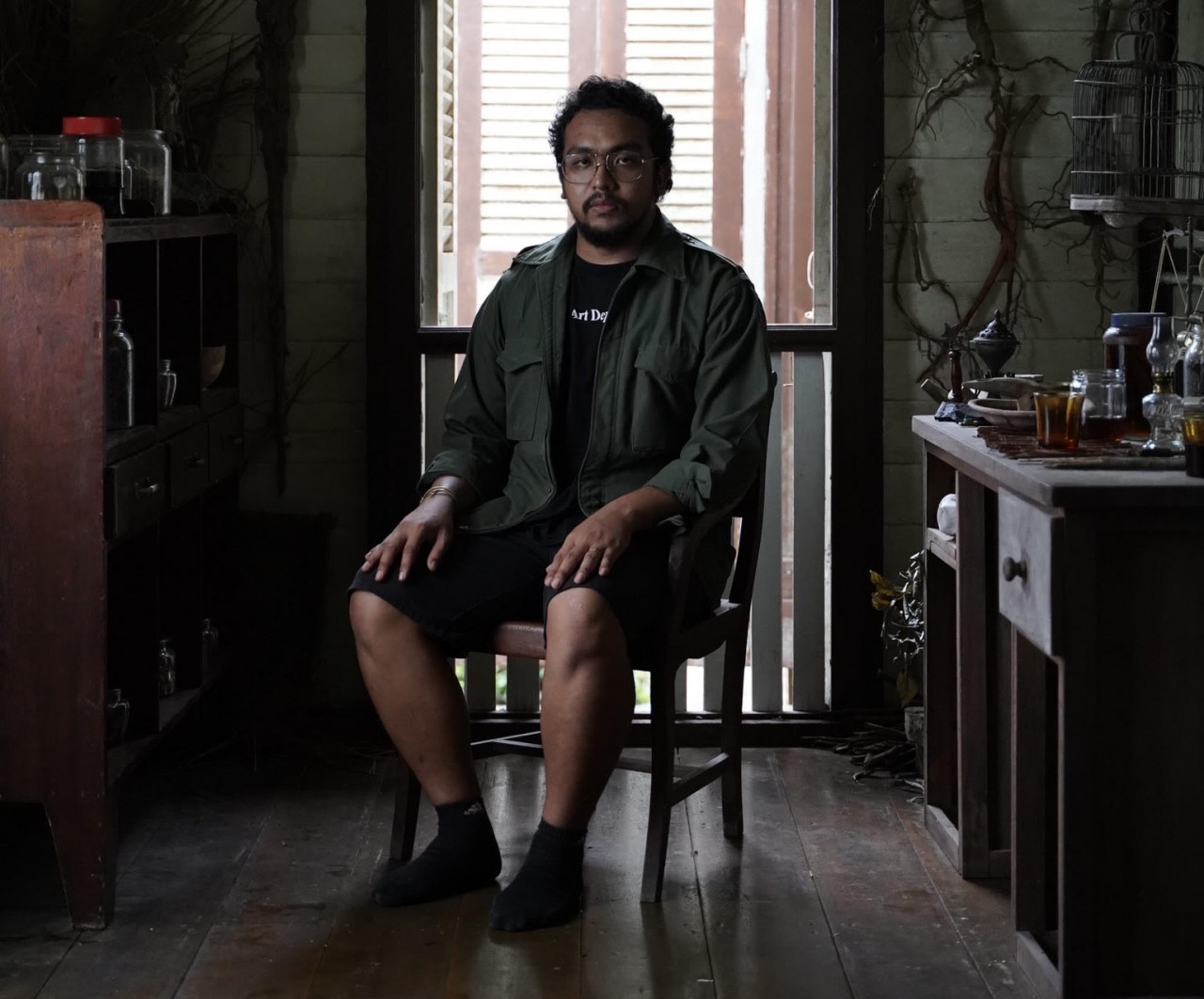
Rabbani cited a recent incident involving his crew, where much of their equipment was damaged in a fire at a shooting location, and the items could not be insured.
On ways to ensure inappropriate content does not get published, he said rather than enforcing a licensing requirement, Finas should come up with a system to filter videos, particularly commercials, before they are made available online.
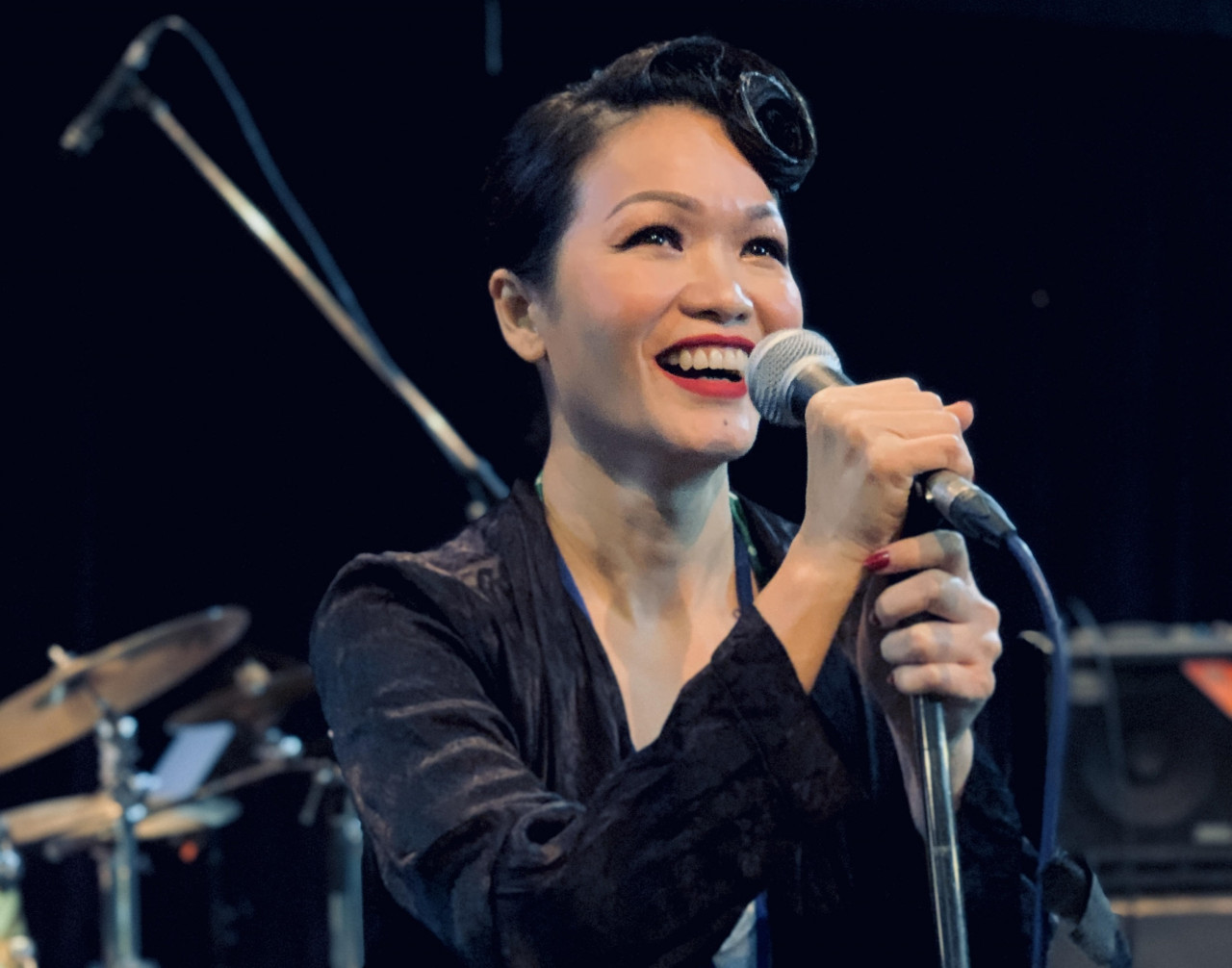
Janet Lee, a performer and vlogger, said even if the film body truly intends to license social media content, it would be impractical, considering the scale of the undertaking.
“How are they going to make sure that every single video that gets published online has been licensed?
“Nobody has the capacity to do it. It’s not doable.”
She questioned whether the call will even materialise, noting how various “grand proposals” by Finas and other government agencies have failed to see the light of day.
“The idea is grand, but as with a lot of things in Malaysia, the problem is always implementation. Often, nobody seems to have an idea on whether something is actually feasible.”
Help small-time creators obtain licences
Film-maker Asri Alias said while he agrees on the need to regulate content on social media, there must be a better mechanism to assist small companies and creators in registering with Finas.
This is important as many of them cannot afford the RM50,000 paid-up capital currently required.
“Take YouTubers, for example. Instead of requiring them to be registered as owners of a private limited company, perhaps, allow them to register via an association or umbrella of amateur content creators,” said Asri.
“But they certainly still need to be registered and licensed. This way, it will be easier to identify the perpetrators should any problems arise, such as the Hari Raya gambling commercials.
“Everything should be coordinated, and every content and creator monitored. This is extremely important.” – The Vibes, April 23, 2021