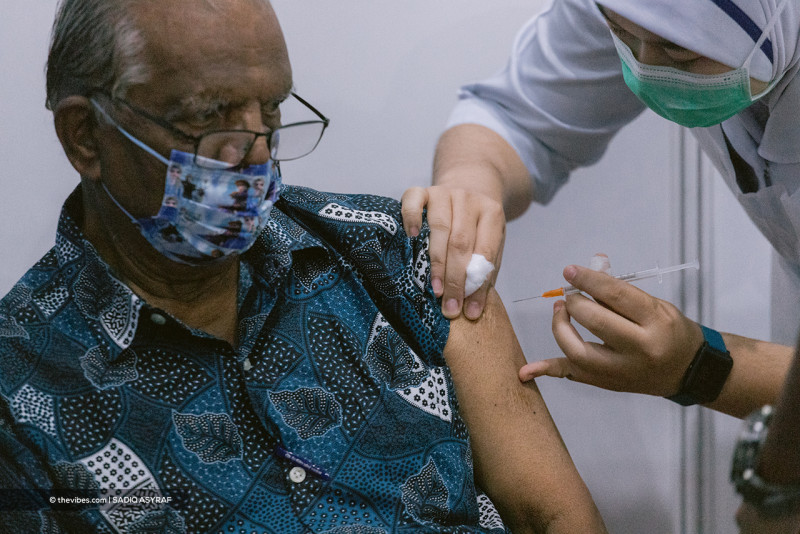

KUALA LUMPUR – As the National Covid-19 Vaccination Programme remains a subject of controversy and delays, a graft watchdog is calling for roll-out transparency to tackle the people’s lack of trust in Putrajaya.
Centre to Combat Corruption and Cronyism (C4 Centre) executive director Cynthia Gabriel told The Vibes that since the beginning of the pandemic, the Perikatan Nasional administration has been pushed to ensure full transparency on the procurement of test kits and allocation for vaccines.
“However, our concerns deepened after the emergency declaration, which has eliminated checks and balances against the executive branch.
“Access to information on all of these items has drawn a complete blank – a black hole, so to speak – as the pandemic deepens.
“The PN government should recognise the waning trust due to its use of this approach, and instead, practise more accountability in the vaccine roll-out.”
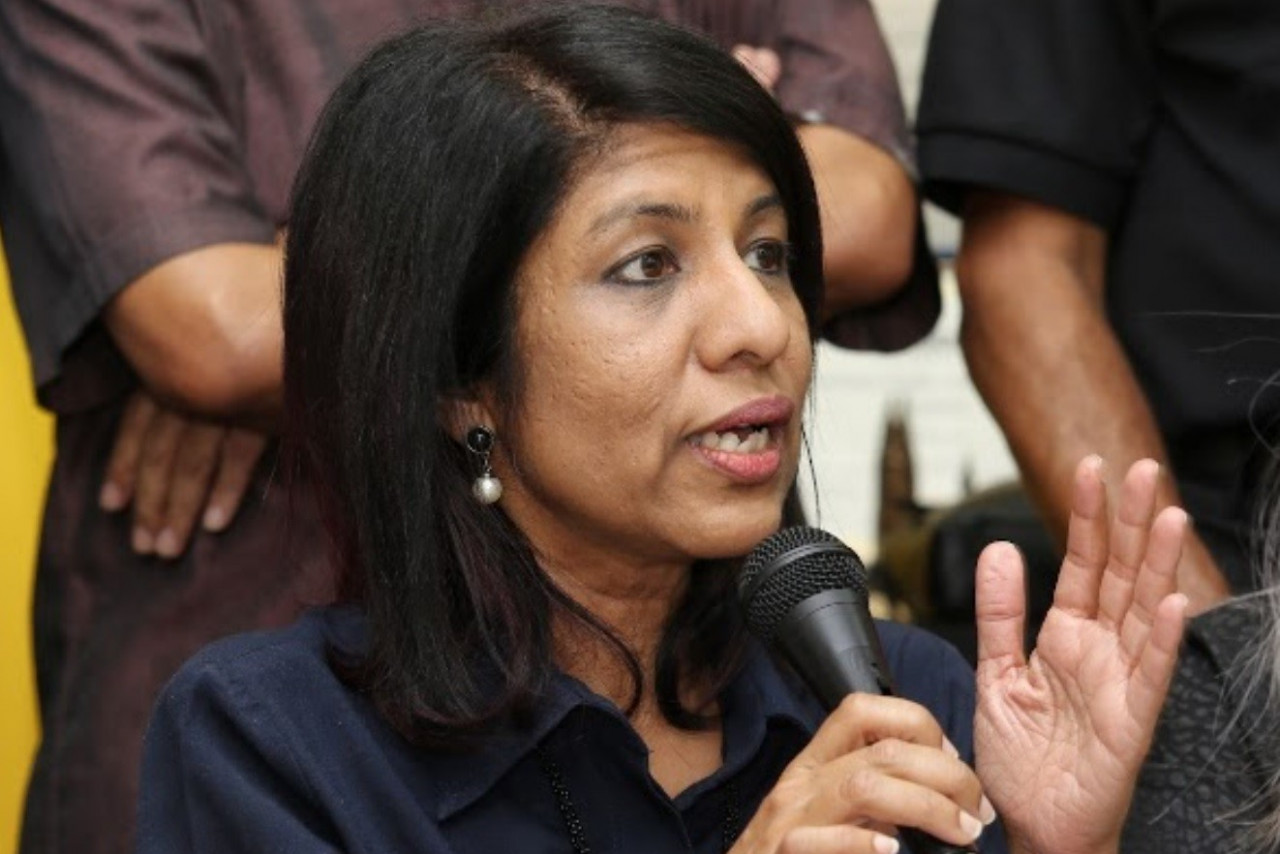
She said conflicting statements from Health Ministry officials and double standards in the enforcement of standard operating procedures have resulted in deteriorating public trust.
Information transmitted to the public on an ad hoc basis has allowed rumours and sensationalist news to prevail, she added.
“It’s honestly much better for the government to adopt an open, transparent approach to costs, procurement, tender awards, and why certain vaccines are being approved here despite alarm bells over some brands already causing their suspension in developed countries, like those in the European Union and the US.”
Azrul Mohd Khalib of the Galen Centre highlighted differences between the procurement process for vaccines and other goods and services, saying there may be fewer leakages in the acquisition of jabs due to direct negotiations with pharmaceutical companies.
“The unique nature of Covid-19 vaccines often means that there are few available options and suppliers. If the vaccine procurement is done directly with the manufacturer, such as Pfizer, the likelihood of a leakage is less.”
Agreements on the purchase of vaccines between companies and the government also have non-disclosure clauses, he said.
Given this, he recommends supervision by the legislative branch.
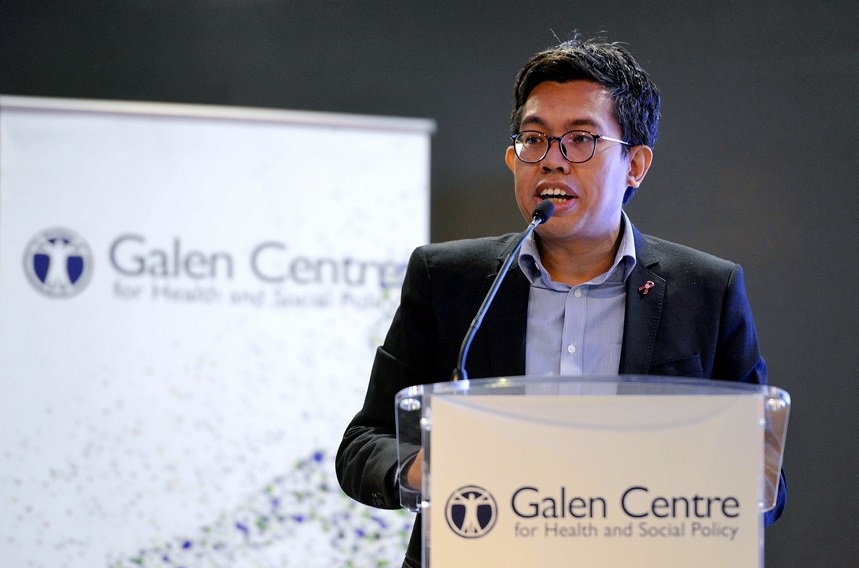
“This is why it is important for entities such as parliamentary select committees (PSCs) to play an oversight role to help look at such agreements, which are shielded from the public, but not from the elected parliamentary representatives in such bodies.
“They can help review and decide for us on whether the procurement process is above board.”
On April 26, Public Accounts Committee (PAC) chairman Wong Kah Woh said the committee and PSCs were ordered by the Dewan Rakyat speaker not to hold proceedings or meetings so long as Parliament is suspended.
He said PAC and the Health, Science and Innovation PSC publicly urged Putrajaya to allow these independent bodies to resume their duties on March 18, but the call was not heeded. – The Vibes, May 2, 2021