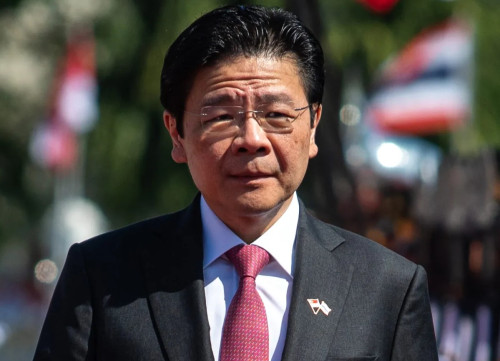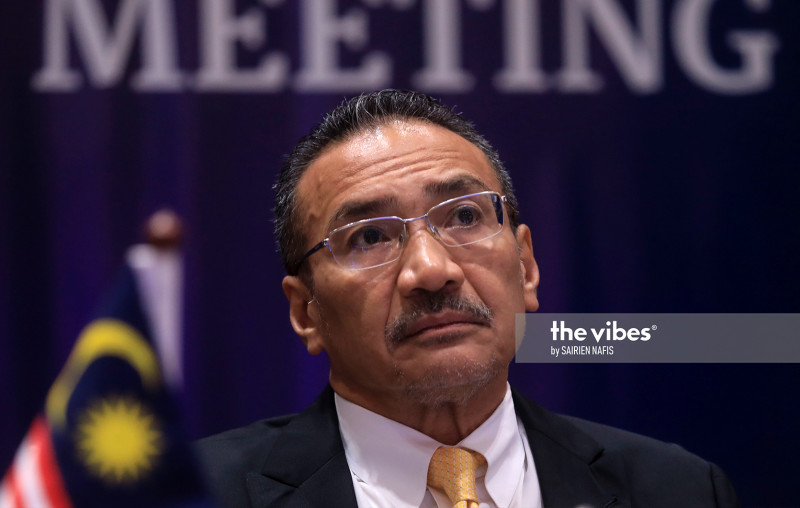
KUALA LUMPUR – Foreign Minister Datuk Seri Hishammuddin Hussein has called on the government to seriously consider expanding the country’s vaccine arsenal to allay the people’s concerns.
In a statement today, the Sembrong MP said the country has only approved the use of Pfizer-BioNTech, Sinovac and AstraZeneca.
“However, other nations have approved other vaccine brands in their rollout plans. Even the World Health Organisation (WHO) has listed Johnson & Johnson, Moderna and Sinopharm for worldwide emergency use. Surely, they can’t all be wrong.
“I understand the relevant authorities’ need to undergo the necessary due diligence, but we cannot follow normal procedures under abnormal circumstances. Our agencies must be in line with other international bodies in issuing emergency approvals quickly.”
Hishammuddin added that while many of Malaysia’s “friends” around the world have offered to help, bureaucracy remains a key barrier to implementation.
“Offers of assistance must be met with a sense of eagerness, not reluctancy. It essentially boils down to doing things right, versus doing the right thing.
“But the burden remains on us in the ministry on whether to accept or refuse assistance. Should these offers not be met with enthusiasm and positivity – therein lies the risk of jeopardising our diplomatic relations or worse, our nation’s integrity on the global stage.
“I feel this is not a risk worth taking.”
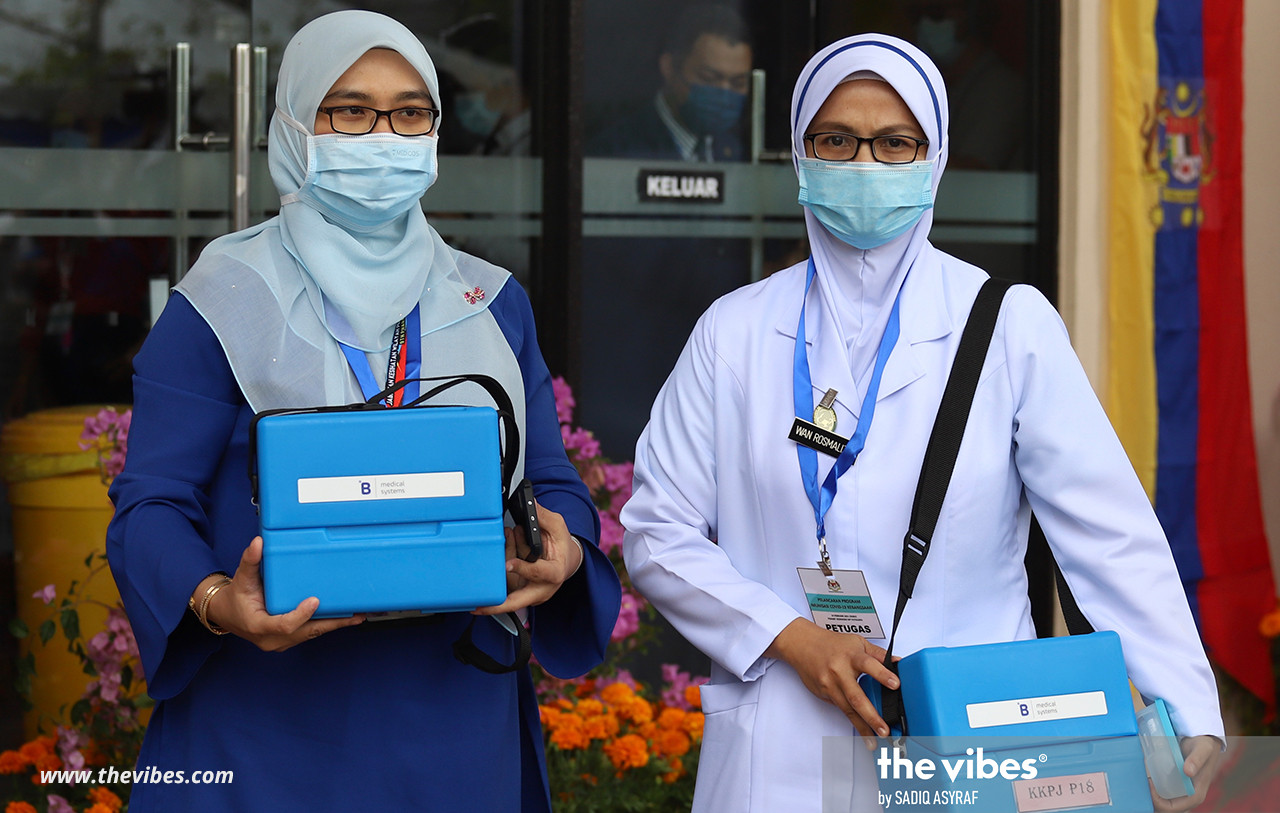
Highlighting the public frustration over the vaccination rollout, Hishammuddin said Malaysians were initially confident in the government’s proactive approach to set plans for phased vaccinations and were hopeful at reports of our early success in securing supplies.
“But we must also understand why Malaysians are asking for a faster rollout – considering the recent rise in cases, fear has begun to set in, triggering frustration and agitation.
“Around the world, we have seen this fear eventually fade as countries ramp up vaccinations. In the United Kingdom and the United States for example, Covid-19 just doesn’t instill the same fear as it did months ago.
“They have moved on, with positivity and optimism.”
Pointing out that it has been 450 days since the implementation of the first movement control order (MCO), Hishammuddin said the government and its people should look back and reflect on events over the past year.
“The unknown is no longer as mysterious as it was last year. Our focus then was to strike the right balance between lives and livelihoods, which has always been central to our efforts.
“However, as time went on, we may have lost that delicate balance between prioritising public health and our economic interests.
“Firstly, let’s address the current MCO. We must find a common ground, as we did before, to balance the importance of protecting and saving lives, and opening the economy to sustain our livelihoods.
“As it is, there should be no more changes and we must remain consistent on our existing standard operating procedures. Unnecessary and reactive changes will put everything we have achieved thus far at risk.”
Among his suggestions to the government is to pursue greater mass testing.
Health experts and political leaders are also calling for mass testing and rightfully so. Mass testing allows us to test, trace and isolate quickly – to better manage outbreaks all over the country.
“But to achieve this we need a plan, to either increase our lab capacities, procure more test kits, or subsidise testing for the masses.”
Hishammuddin said the combination of these suggestions could serve as a transformed Covid-19 management strategy for the country.
“An integrated approach to public health – one which combines a strict lockdown, with a focus on vaccination and testing.
“The reality is that when more people are detected early and/or immune, lives are protected, and death rates will dwindle. This is ultimately our main goal, a systematic transition out of the pandemic for Malaysians to return to normalcy.
“But this requires a whole-of-government approach. We have always been well managed in the past, and this can be attributed to our uncompromising institutions. But unfortunately, our systems are so entrenched that it has rendered us somewhat inflexible at times like this.”
As such, he called on the government to have more agility and flexibility in its governance to adapt quickly and make fast decisions.
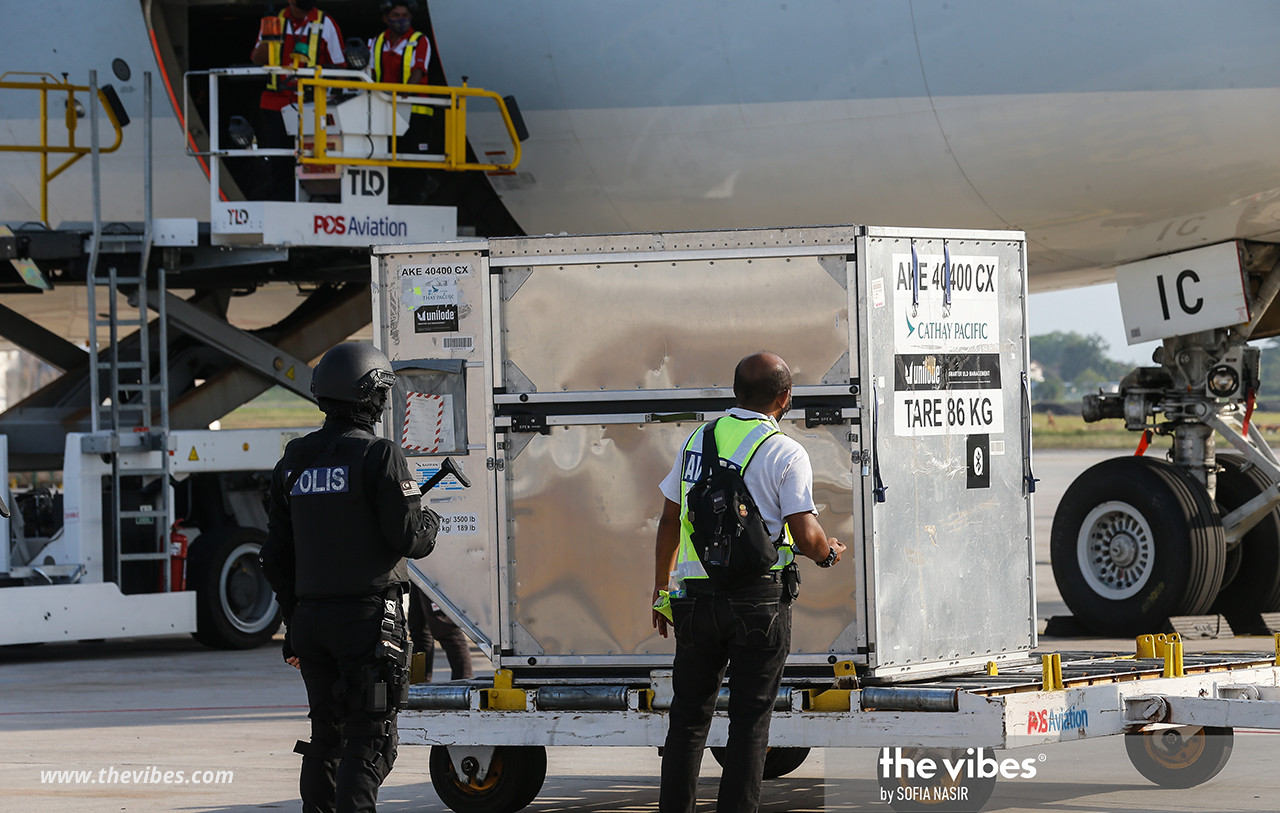
“We are at war – this is an unprecedented crisis. Extraordinary times require extraordinary solutions. The greatest tragedy for Malaysia is if we are unable to reflect on our own mistakes and weaknesses. We must strive never to repeat them.
“If we do not change for the better, how will we be able to face even more challenges in the post-pandemic era such as new variants and mutations, the future of our children’s education, the state of our mental health, and the fate of our economy?”
The country, he said, may not have seen the worst of it yet, but everyone must remain vigilant in their efforts and be determined to do everything in our power to work with each other to overcome this deadly virus. – The Vibes, June 13




_1.jpg)