KUALA LUMPUR – Perikatan Nasional has wasted the regional goodwill generated by the previous Barisan Nasional and Pakatan Harapan administrations in the delicate handling of Rohingya refugees.
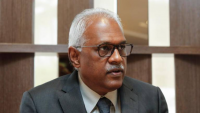
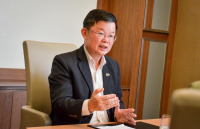
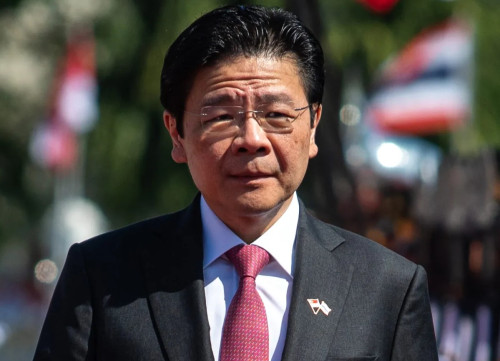
Former deputy defence minister Liew Chin Tong criticised “the hard-line and xenophobic sentiments generated by the PN government in April and May 2020”.
Its move has harmed Malaysia’s standing, setting the nation back, he said on his blog yesterday.
“In the time of Covid-19, we should realise that being kinder to the Rohingya and migrants is actually being smart and practical for everyone. A generally accepted view is that when 80% of adults in Malaysia are vaccinated (and this includes migrant workers, documented or otherwise), Malaysia will achieve herd immunity.
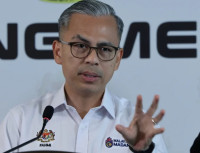
“But Hamzah and Dzaimee’s xenophobic and threatening statements will drive the millions of undocumented migrants in Malaysia into hiding, and we will not achieve the herd immunity so vital for our path to recovery as a nation,” he said, referring to recent statements by Home Minister Datuk Seri Hamzah Zainudin and Immigration Director-General Datuk Khairul Dzaimee Daud.
Liew said the country needs compliance and consent by all migrants to get vaccinated and achieve herd immunity.
“The only way to get compliance is to give all of them some form of protection from being arrested and abused.
“Malaysia was once the most vocal advocate for Myanmar’s inclusion in Asean in the 1990s, despite Myanmar being ruled by the military junta. Hence, successive administrations felt a sense of responsibility in ensuring the general well-being of the Myanmar people and Myanmar’s integration into the international community.”
He credited the goodwill generated by Malaysia to the support shown by former prime ministers Tun Abdullah Ahmad Badawi and Datuk Seri Najib Razak, and former foreign minister Tan Sri Syed Hamid Albar.
“In December 2016, in an attempt to signal Umno’s closeness to PAS, then prime minister Datuk Seri Najib Razak and PAS president Datuk Seri (Abdul) Hadi Awang shared a stage at Titiwangsa Stadium in solidarity with the Rohingya.
“The OIC’s (Organisation of Islamic Cooperation) Council of Foreign Ministers also met in Kuala Lumpur in January 2017, calling for a halt to military operations and for the restoration of the Rohingya’s status.
“The solidarity with the Rohingya generated significant public support, and to a large extent, guided the Malaysian government’s approach to the Rohingya, until the collapse of the PH government in February 2020.”
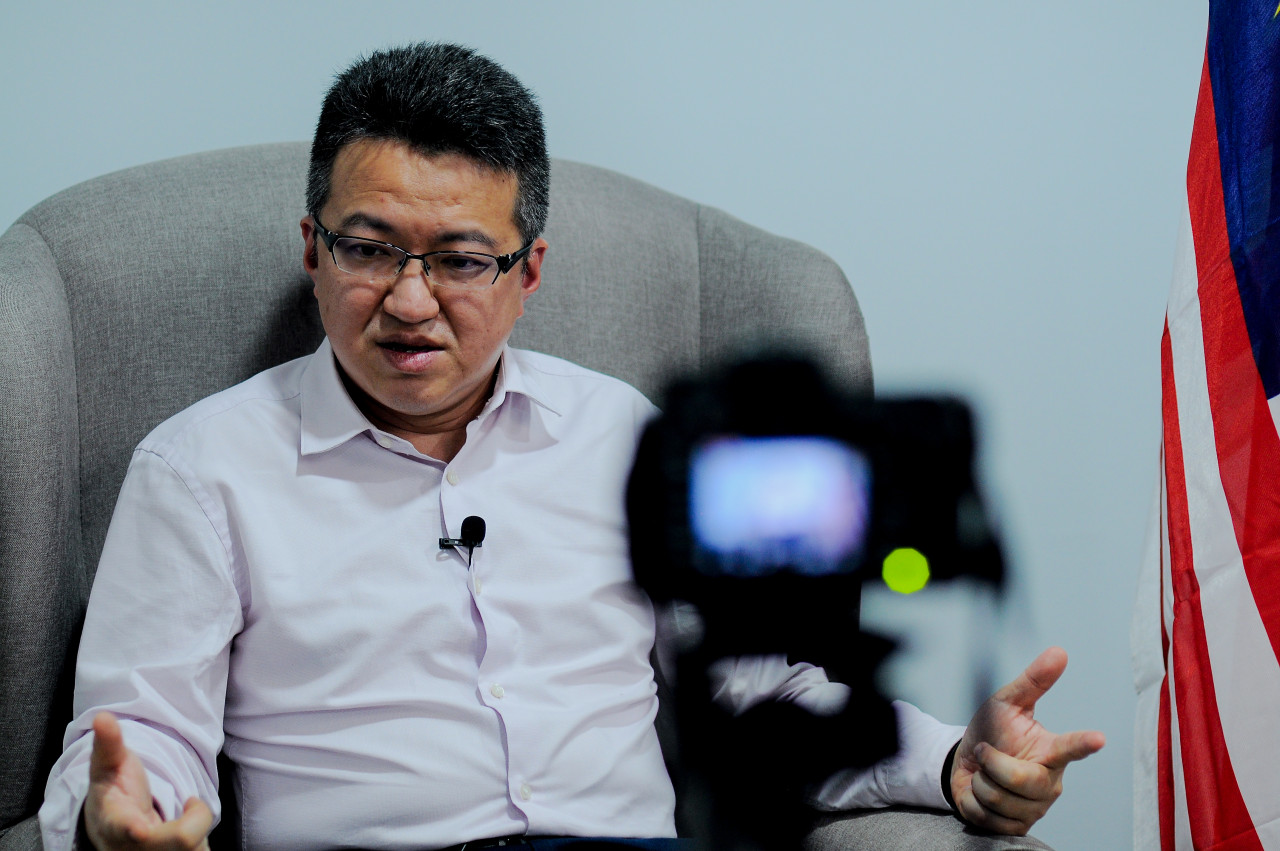
Liew said the BN administration under Najib, with Datuk Seri Hishammuddin Hussein as defence minister, reacted swiftly in the aftermath of Myanmar’s August 2017 massacres and exodus by sending a team of doctors and medical personnel from the armed forces medical corps to set up a field hospital in Cox’s Bazar in Bangladesh.
“By the time I visited Dhaka and Cox’s Bazar as Malaysia’s deputy defence minister in May 2019, senior government and military leaders in Bangladesh all praised the excellent work of Malaysia’s field hospital.
“Kutupalong camp in Cox’s Bazar is now the largest singular refugee camp in the world. There were more than 10 field hospitals in the camp, with the Malaysian and Turkish ones being the most well-equipped.
“The Malaysian field hospital, while set up in tents, was the most sophisticated referral hospital in the poor region. Situated at the entrance of the refugee camp, it also served locals, who otherwise wouldn’t be allowed to enter the camp.”
He added that the PH administration continued to fight for long-standing concerns regarding the Rohingya.
“The political leadership including (then prime minister Tun) Dr Mahathir (Mohamad) was looking for ways to give some form of documentation and work permits in designated sectors to the Rohingya without giving them official refugee status, which current Malaysia laws do not yet provide for.
“The general attitude of the PH government was not to signal to the Rohingya that they should come to Malaysia, but it recognised the need to find a practical solution to the 150,000 Rohingya refugees already in Malaysia.
“Then home minister Tan Sri Muhyiddin Yassin made the above points succinctly in a meeting chaired by then deputy prime minister Datuk Seri (Dr) Wan Azizah Wan Ismail in December 2019, which I attended.
“The Immigration Department was directed by the meeting to work out a middle-path solution. But under Prime Minister Muhyiddin, the government took the opposite and harsher approach.”
He called for more support from Malaysia to Bangladesh in handling the refugee crisis, “including cooperating with Bangladesh and other regional neighbours to punish the human traffickers who smuggle refugees across the seas to Malaysia”.
“The point that we have to accept is that the Rohingya in Malaysia have nowhere to turn to, as the situation in Myanmar is even more uncertain after the coup in February.
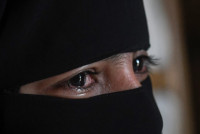
“The Rohingya here are vulnerable and marginalised, subjected to abuses by employers and occasional extortion by enforcement officers. Almost 2,000 Rohingya, including a high number of children, remain in detention.” – The Vibes, June 14, 2021