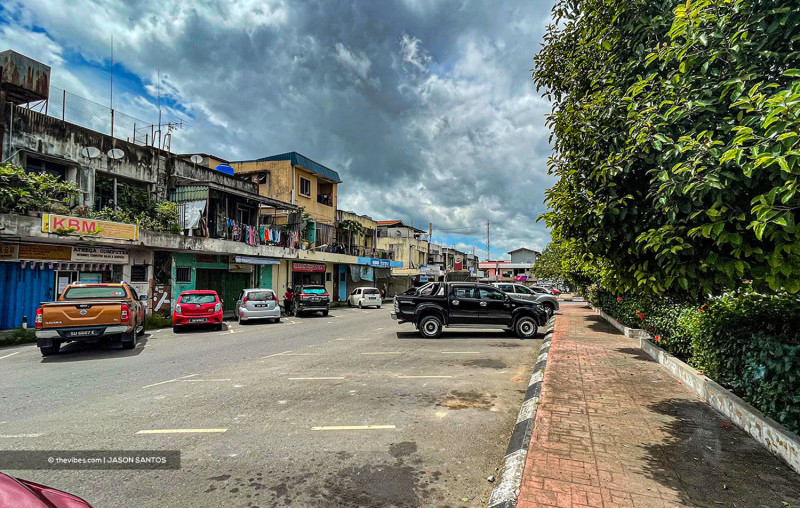

KOTA KINABALU – The dearth of good jobs and a lack of economic development in Keningau, a district in the Sabah interior, may well lead to an ageing population in the state’s fifth-largest town, as youth look for opportunities elsewhere.
The exodus from Keningau is similar to the situation in Sandakan these days, with the majority of young adults moving all over Malaysia seeking work, leaving elders – and children – in the districts.
There are not enough jobs to go around in Keningau – and even when there is employment, the salary is sometimes below the national minimum wage.
However, there are those who still try to make things work. Some because they have no choice; others, due to relationships. And, a few were forced to return home from the peninsula because of the Covid-19 pandemic and the resulting closure of state borders.
Not always sunny in other parts of country
Similar to many of their peers, 20-year-olds Kansing and Robert left for greener pastures after sitting the Sijil Pelajaran Malaysia examination in 2018. But, they returned home during the recovery movement control order last year after finding out that the streets of West Malaysia are not paved in gold.
The duo, who have known each other since their schooling days, now work multiple jobs, including as e-hailing drivers and food deliverymen, to make ends meet.
“I earn less than RM50 a day. Sometimes, as low as RM20. There are not many passengers around,” Kansing told The Vibes.
The young man, who plans to get married next year, expressed worry about whether he would be able to raise enough money for the wedding.
His fiancée has had to find work at an oil palm estate in Kalabakan, 344km from Keningau.
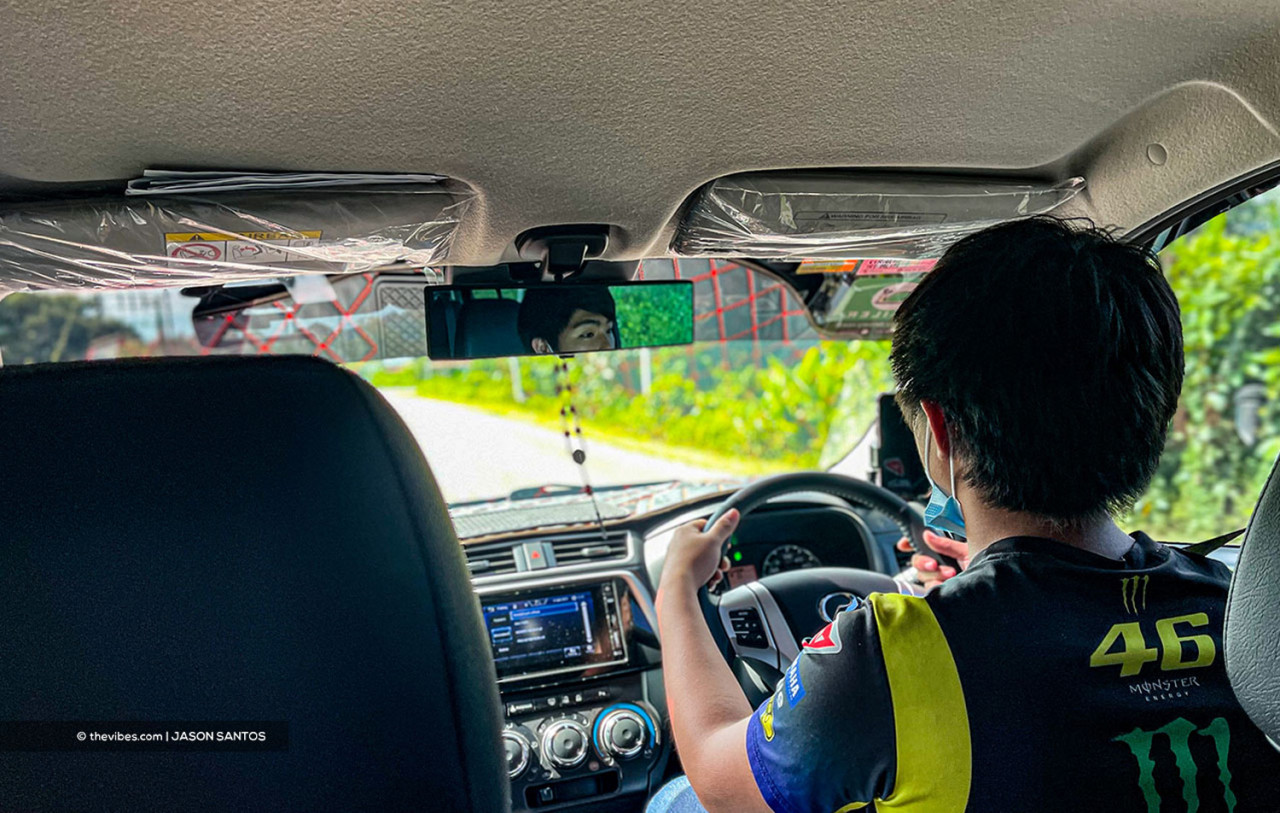
After finishing their secondary schooling, Robert and Kansing worked at a coffee shop in their hometown, earning a daily wage. The two decided to seek better employment in the peninsula after attending a job fair organised by the then ruling Warisan state government.
Kansing ended up in Kuala Lumpur, working at a factory, while Robert found employment at a plant producing haemodialysis components in Nilai, Negri Sembilan.
After years of being able to move about freely in quaint Keningau, the free-spirited pair found the enclosed and stuffy environment of a production line overwhelming. So, they decided to quit.
“There were about 12 of us from Keningau. We were recruited during a job fair and given a one-year contract,” said Robert.
“Even though all the tickets, quarters and meals were paid for by the company, we decided to leave after a month and seek jobs elsewhere.”
He then found work in a more open environment: a café.
New challenges upon returning home
After hearing news that the government would impose a nationwide lockdown to contain Covid-19, Robert quickly took a flight home.
“I knew I would be stuck in Nilai if I didn’t leave then. True enough, flights were halted and interstate travel barred.”
Back home, he found himself having to start all over again. The e-hailing industry presented an opportunity.
Due to a lack of capital, Robert had to borrow money from his father to buy a brand new car to start his new job. Now, he faces difficulty keeping up with the monthly instalments because of the low passenger numbers.
“There’s barely any activity. Each passenger we take is a one-way trip, and there are only a few of them. It’s not like in Kota Kinabalu, where there are many more passengers.
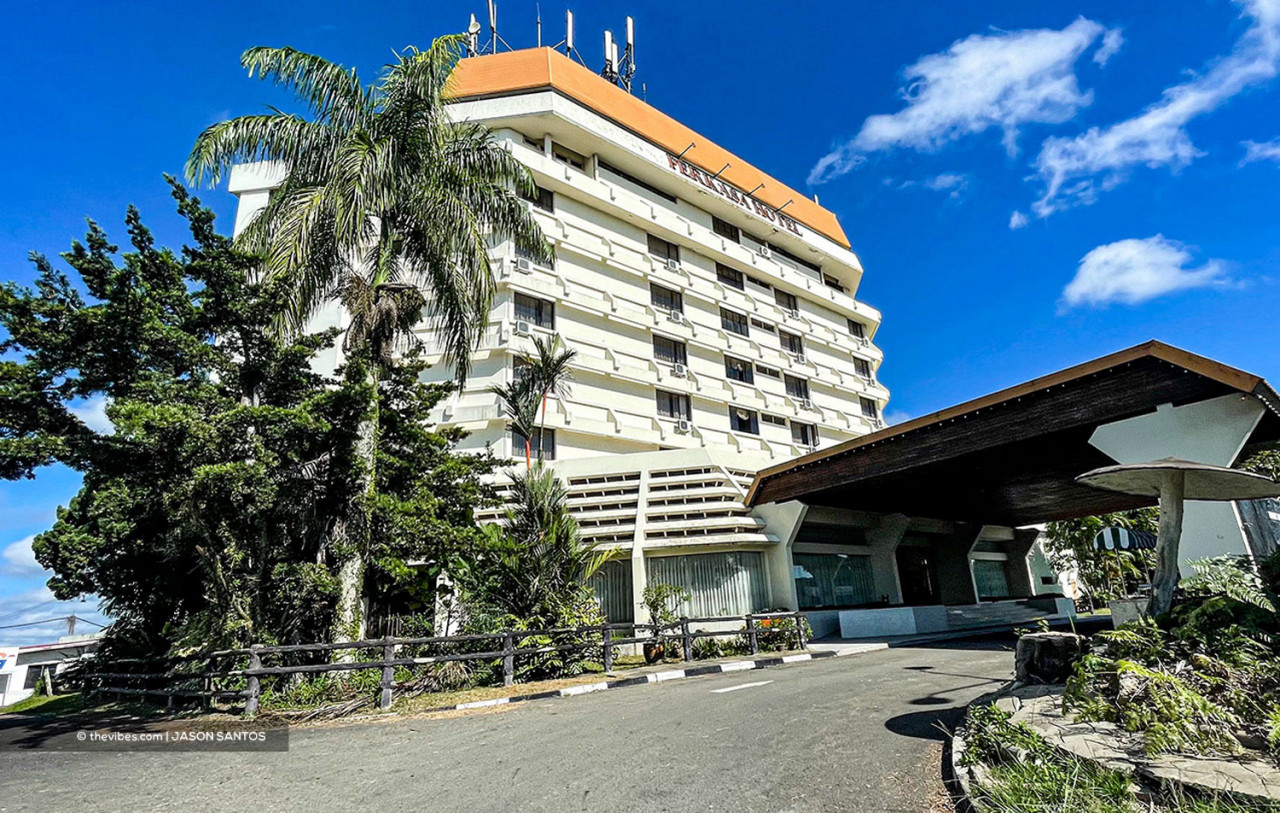
To make up for the trips, we would usually call the passenger and ask if they are willing to pay extra for their trip. For instance, a ride from Perkasa Hotel to town costs around RM3 to RM3.50, but we would ask the passenger to pay RM5, or they just have to cancel the ride. It’s just not worth it.”
Although e-hailing companies frown on drivers requesting extra cash from passengers, Robert has not landed himself in hot water as locals understand the situation and do not lodge complaints against him out of compassion.
Previously, both Robert and Kansing made around RM1,200 a month, plus overtime. Today, they can barely make ends meet, earning an average of RM30 to RM40 a day.
Keningau once enjoyed a boom in timber and oil palm, but these days, there are barely any downstream activities to support employment.
“Around 80% of the youth in my village have left. They went to places like Kota Kinabalu, Kuala Lumpur and Singapore to find work,” said Kansing.
Cost of living another push factor
The high cost of food and necessities, and soaring housing prices amid the town’s economic slump are another reason driving youth away.
Kansing said he was forced to stay on his family land after getting married, as he could not make enough to buy a home for his bride and future family.
A terrace house in Keningau now costs over RM300,000 – equivalent to units in the state capital.
Even food is not cheap. A cup of iced coffee can fetch RM3, while a bowl of soto is around RM8.
“There are many poor people in the interior divisions who would never be able to afford these prices,” said Kansing, adding that to save money, he heads home during his lunch break instead of ordering from eateries.
Dangerous roads, lack of proper medical facilities
Another issue plaguing the two men’s career in e-hailing that increases their monthly expenditure is the horrible state of roads in some villages like Sook.
Every month, the car needs a tyre realignment. It costs me RM70 each time I repair it. The roads are just terrible. We try avoiding some villages so that our cars won’t be damaged,” said Kansing.
Like in other parts of the country, politicians would ply residents of Keningau and its surrounding areas with sweet talk and promises to repair and upgrade roads, to secure votes during elections – assurances that end up as nothing more than empty words.
Kansing said for some, travelling to town from places like Nabawan, Sook and Pensiangan can be life-threatening due to slippery, muddy roads each time there is a downpour.
Most of these roads are damaged due to use by logging companies’ lorries, he said.
He also expressed discontent over the lack of competent healthcare professionals and specialists at Keningau Hospital.
A few years ago, Kansing’s brother met with an accident. Instead of monthly consultations at the local public healthcare facility, he had to drive his brother to Queen Elizabeth Hospital each time for a medical review.
Now, I am living near the town area. What about those in far-flung areas who have to travel hundreds of kilometres to get to Keningau Hospital or Nabawan Hospital?”
The cost of chartering a vehicle is steep, with fees running up to more than RM150 for a trip to Keningau or Nabawan Hospital.
“These are poor villagers who don’t earn much – sometimes, they don’t earn anything at all. They are mostly farmers, so if they can’t sell their produce, it can be very, very risky for them to get sick,” said Kansing. – The Vibes, July 18, 2021