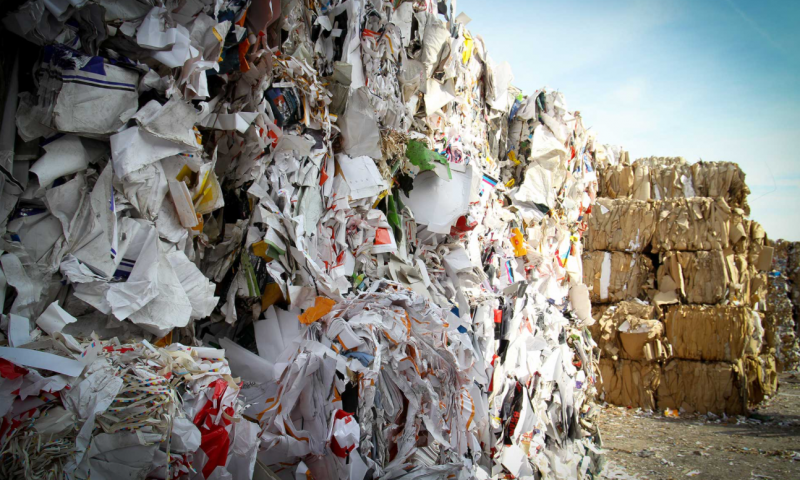

GEORGE TOWN – As waste from developed countries continues to arrive in Malaysia for “recycling”, heightening contamination risks, questions are being raised as to why we should maintain a policy allowing in rubbish from just anywhere.
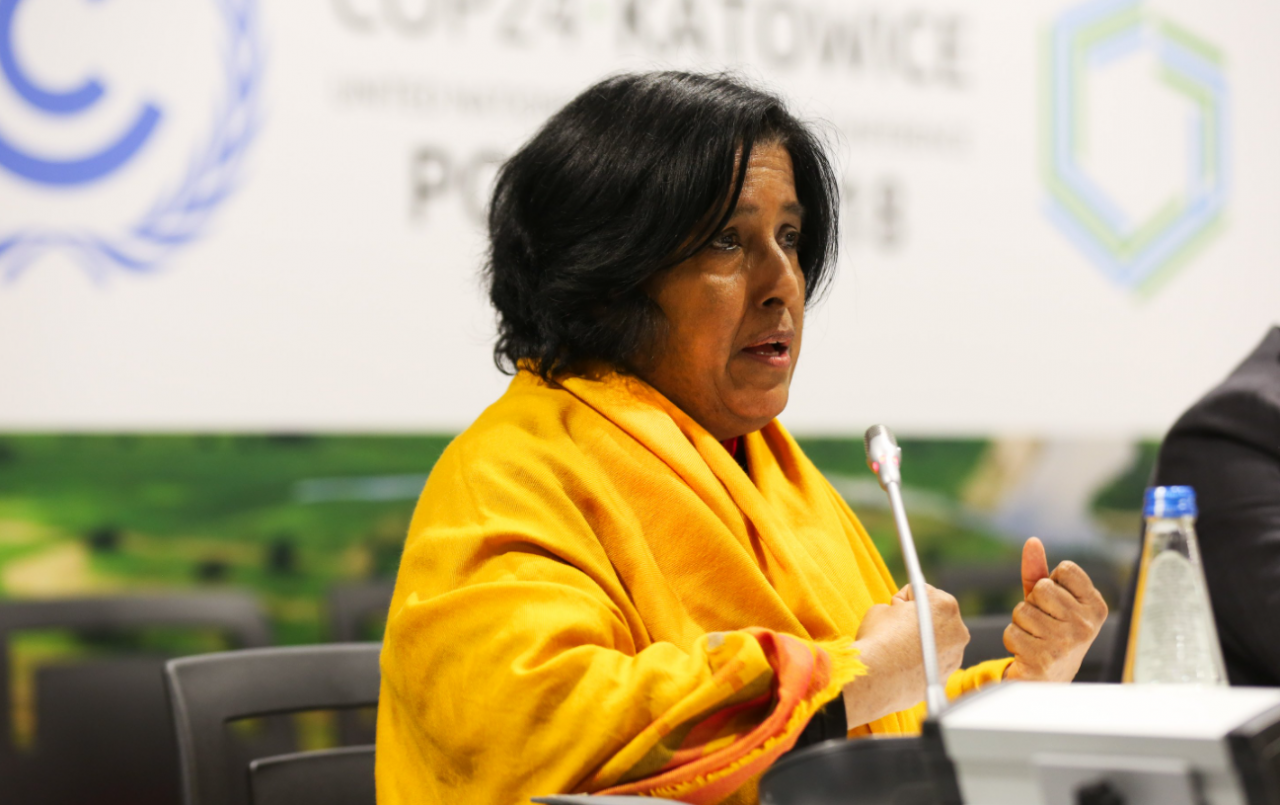
“We need to look at our existing policies on recycling imported waste. Do we want to continue having this, even for legal (waste)?” said Penang Environment Department (DoE) director Sharifah Zakiah Syed Sahab during an online forum organised by Sahabat Alam Malaysia (SAM), Consumers’ Association of Penang, and Centre to Combat Corruption and Cronyism, titled “Malaysia is Not a Garbage Dump: Enhancing Monitoring and Enforcement Efforts in Kedah and Penang”, recently.
She said recycling uses up a lot of resources, such as water and electricity.
Just last week, her department ordered 24 containers of waste paper imported into Malaysia without prior approval from the United States and Canada to be sent back to their countries of origin.
“There is high water usage when recycling paper. It requires 45 cubic metres of water to recycle one tonne of paper waste,” said Sharifah Zakiah.
“It subsequently generates a high volume of industrial effluents, which may pollute water streams when done illegally, or without proper controls.
There is no question about illegal waste; we will take action. But what about legally imported waste? Because it still requires our water resources and discharges effluents into our rivers.”
She suggested that the federal government impose a ban on imports of waste like China did in 2017, saying this is a better way to deal with waste import issues as a whole.
If this happens, she said, it will lift the burden on DoE, which needs to continually perform checks and order containers full of waste to be sent back.
“When we do that, they demand proof and argue, saying something happened during shipping. Nobody wants to take back their waste.
“The directive is usually to return it (the waste) back to its country of origin, or they can send it to another country that is willing to receive it as long as they have prior consent.”
On community involvement, Sharifah Zakiah suggested that the rate of recycling be enhanced.
“Loads of campaigns have been done, even on plastic, paper... but whether we have achieved our target, that is something we have to look at seriously.”
She said illegal waste usually ends up at unregistered processing premises where there is improper management, resulting in pollution, with toxic chemicals like lead and mercury leaking into rivers and other places.
End ‘waste colonialism’
SAM president Meenakshi Raman said a major problem is that many of these waste loads are highly contaminated and not recyclable.
“The problems caused by the international waste trade cannot be solved by importing countries alone,” she said, citing the adoption of the Basel Convention as one way to get global collaboration to tackle the issue.
“Developed countries must take responsibility for their own waste, and we need to stop waste colonialism,” she added, suggesting that the US, which is not a signatory to the Basel Convention, is one of the major contributors of illegal waste.
She, too, proposed that Malaysia follow in China’s footsteps and expedite the ban on waste imports.
What is not good for China surely cannot be good for Malaysia. There is no rhyme or reason for why we shouldn’t speed up this effort.
“Whatever steps we take, our hands will definitely be limited because at the end of the day, they will find all kinds of loopholes to continue causing the problem.” – The Vibes, August 1, 2021









.jpeg)