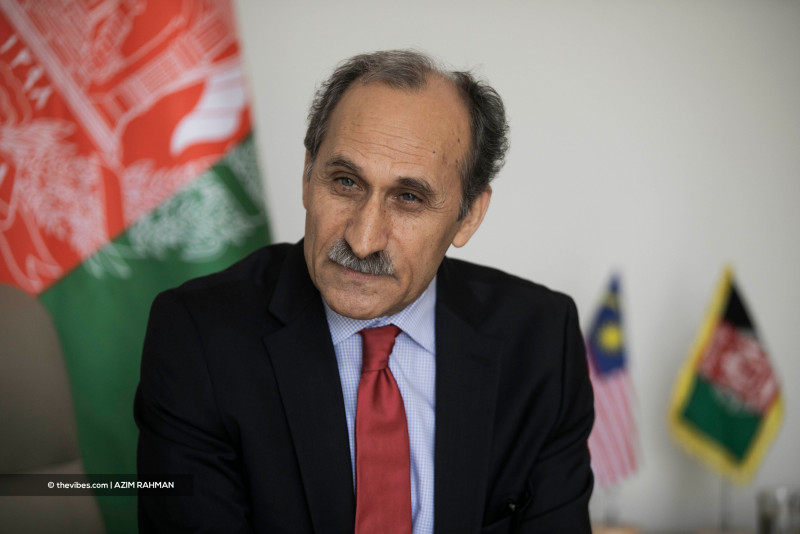

KUALA LUMPUR – The Taliban may have taken control of Afghanistan, but as negotiations take place to form an “inclusive government”, it is business as usual for the nation’s embassy in Malaysia.
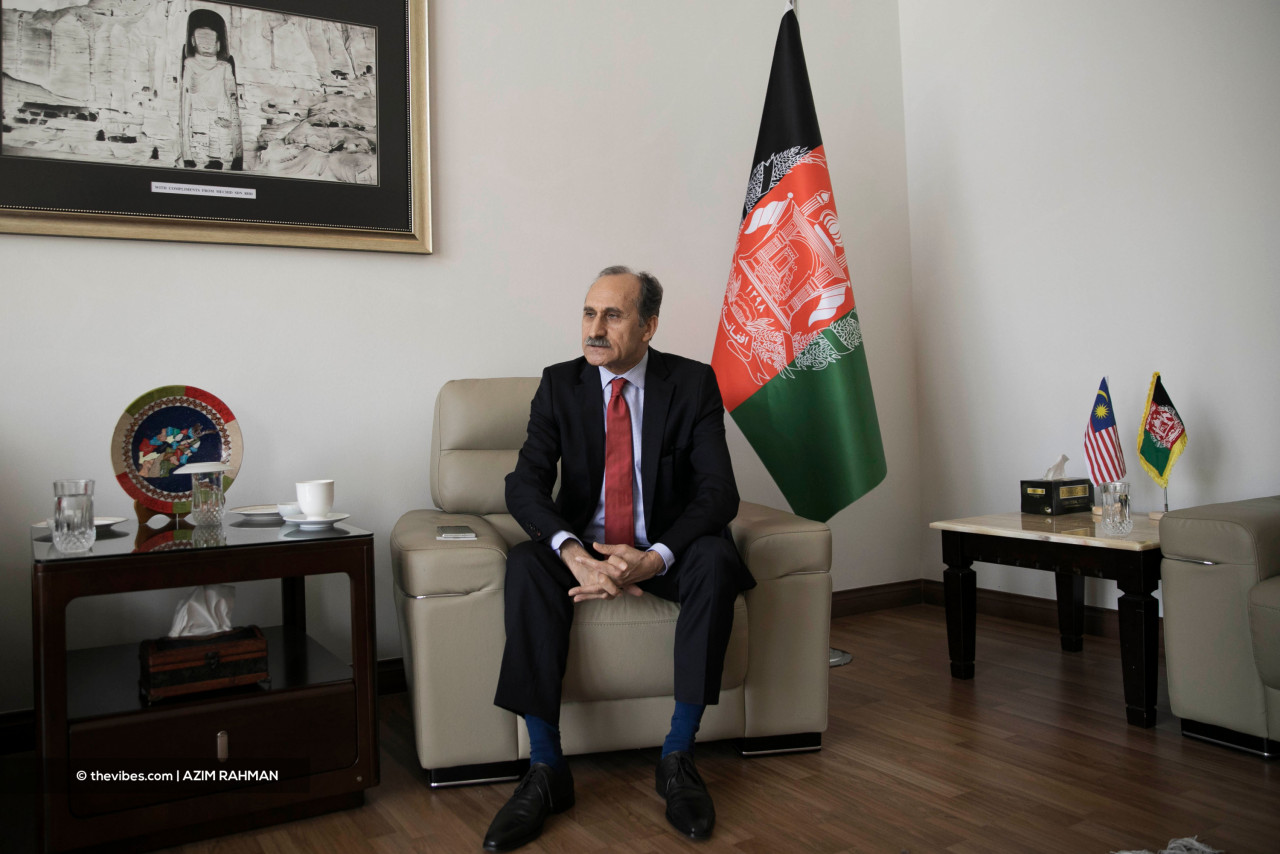
Afghanistan ambassador to Malaysia Moheb Rahman Singhar said that there has been radio silence from Kabul since the takeover, given the power vacuum and lack of a Foreign Ministry to provide guidance.
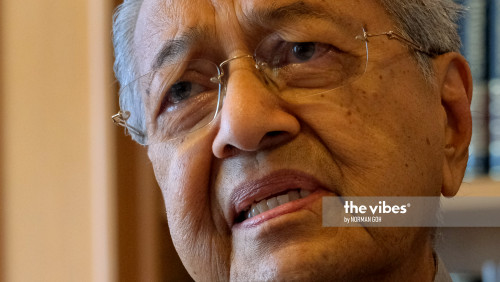
He said candidly that everything he is telling The Vibes are his own opinions and analysis.
Moheb insisted his mission is still an embassy representing all people in Afghanistan, and his work is guided by the national interest to remain a peaceful nation and continue the pursuit of good relations with its neighbours.
“This is the embassy of Afghanistan. We have a vacuum of power in Afghanistan now and thus there is a vacuum of power in the embassy, too.
“There is no foreign minister, president, or deputies to guide us, so in such a situation, we work based on our national interest,” Moheb told The Vibes at the Afghan embassy here yesterday.
Taliban need change in approach
Before venturing into the world of diplomacy, Moheb served as a lecturer in Russian studies at Kabul University and worked as a journalist.
In the interview, he made clear that he is not a member of the Taliban group, but expressed optimism about the recent developments back home.
This is despite the controversy surrounding the Taliban’s former rule and years of fighting, he said.
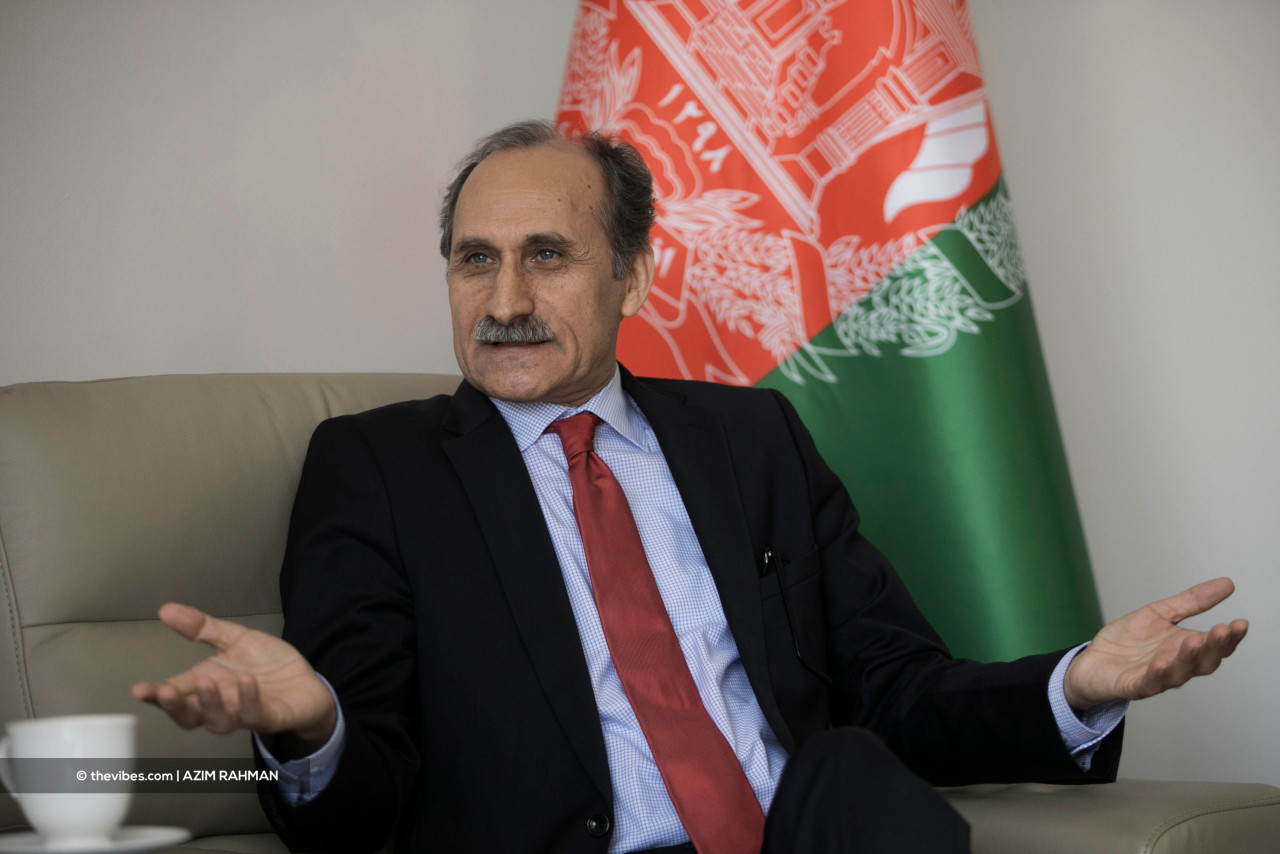
“The first picture (of the Taliban) Afghans have is the government of the past, which was terrible.
“The second is the fight against American invaders, which was also not good,” Moheb said.
In the past 270 years of Afghan history, Moheb said, there have been power struggles that were followed by vengeance.
This current takeover of power by the Taliban has not seen the revenge killings of former leaders perceived to have been friendly with the Americans.
“But now, (the Taliban) avoid revenge against their political opponents.
“The Taliban we are facing did not kill the former prime ministers, the former president or even generals. In fact, it provided security personnel to ensure they are safe,” Moheb said.
According to reports, the Taliban are currently in talks with former Afghan president Hamid Karzai and Russia to negotiate the formation of a new government.
The ambassador here believes that this should result in a new order in the nation that will see an inclusive government respecting basic rights, even for women.
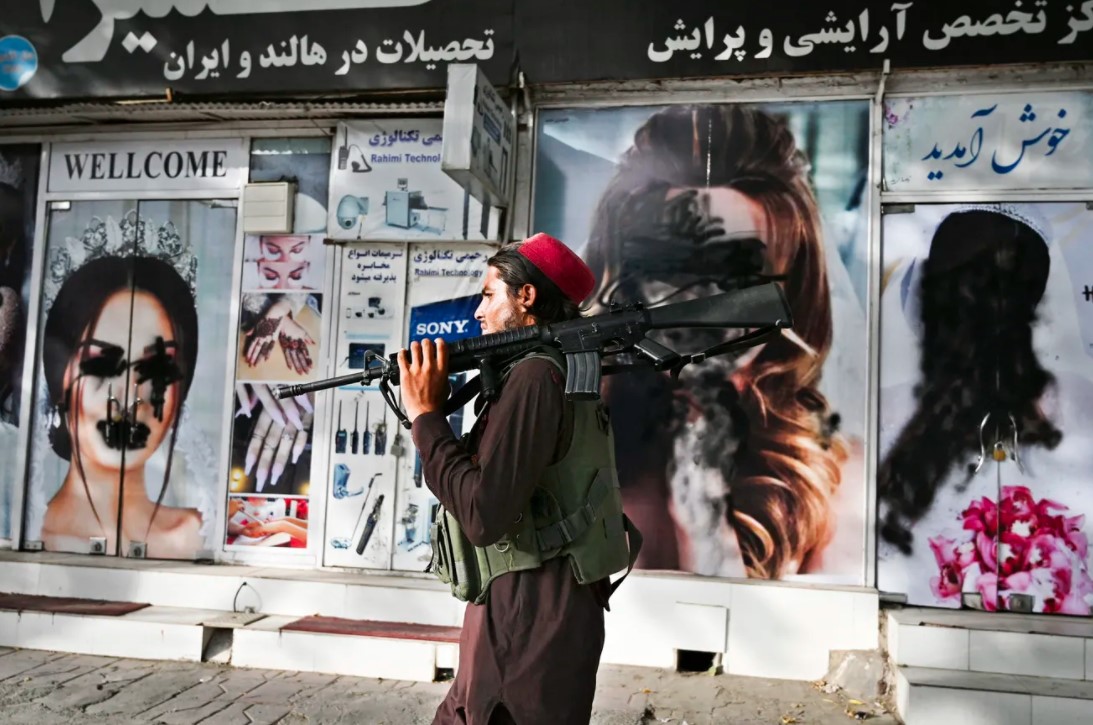
While many would perceive Moheb’s views as overly optimistic, he defended them, saying any moves the Taliban make will be closely watched by Afghanistan’s regional neighbours, as well as the world.
“There are two narratives. According to the West, the narrative of Afghanistan is that everything is dark, bad, barbaric, and undemocratic.
“The narrative of Afghanistan and nearby regional powers like China, Russia, Iran, and Pakistan are that the nation must have a moderate, passionate face of Islam, and bring a new message to the world.
The new message is to represent a moderate Islam in Afghanistan.”
This, he said, is why the Taliban must change, as it cannot remain a reclusive force in the region.
In other words, the Taliban must accept the values of the region, if it is even remotely interested in shoring up domestic and international support.
Time ripe for Malaysia to strengthen ties with Afghanistan
Given the new Afghanistan – devoid of American intervention – will have to reach out to jumpstart good relations with other countries, Malaysia could do the same, as Malaysia-Afghanistan ties are currently one-sided.
While Afghanistan has a diplomatic mission in Malaysia, Malaysia does not have one in Afghanistan.
“I am very hopeful that this is a good moment and opportunity for both governments to enhance their ties and improve relations,” Moheb said.
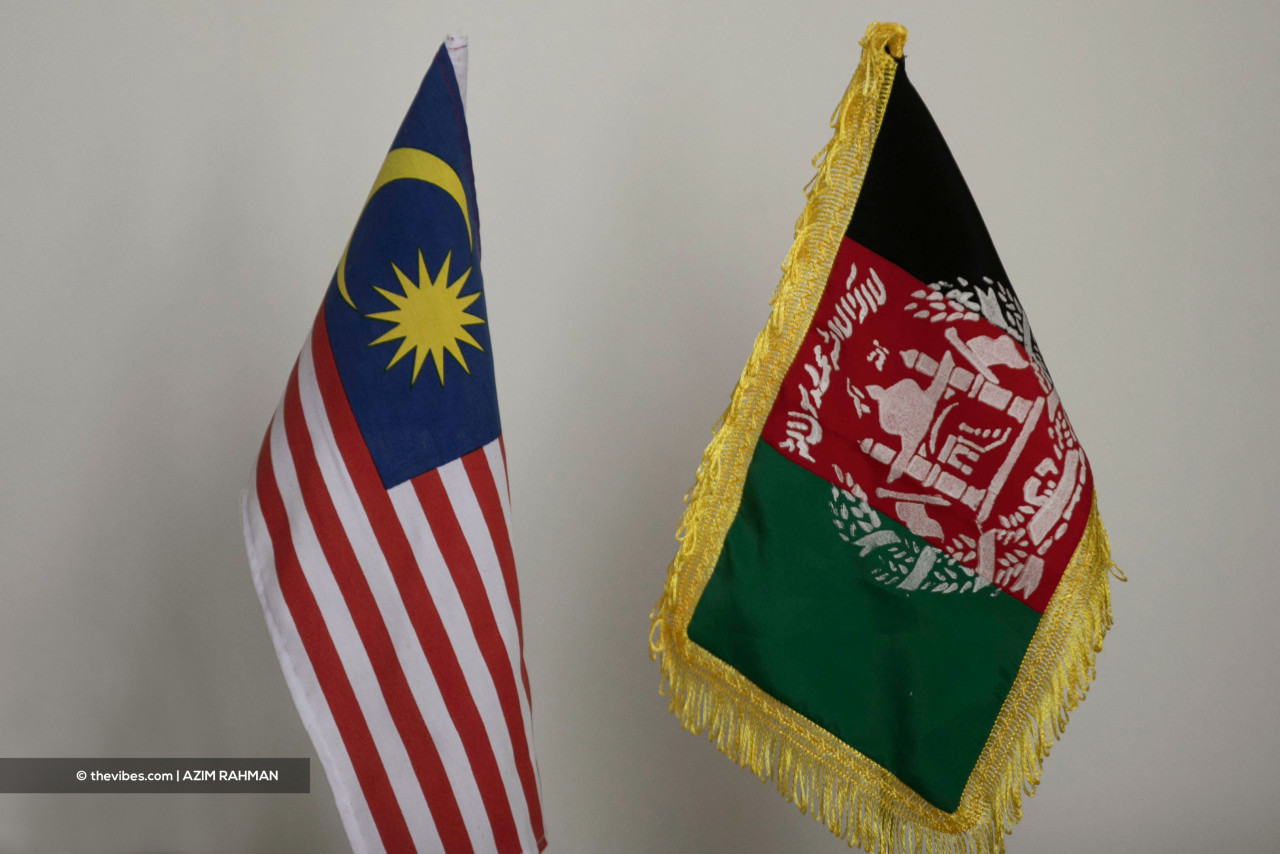
He added that Afghanistan could be an important geostrategic hub for Malaysia to access other nations as well.
The career diplomat pointed out that there are also ample opportunities for Malaysian enterprises that open up shop in his country, seeing that Tajikistan, Turkmenistan, Pakistan and Iran, as well as regional superpower China are its neighbours.
“It is important for Malaysia to step in and start the relationship as soon as possible,” Moheb said.
‘I thought of Saigon’
For Moheb, the Americans left the same way they came in – without consulting the Afghans.
On his thoughts about America’s chaotic exit, Moheb said his first thought moved to Saigon.
It is understood he was referring to America’s unflattering departure from their embassy in then Saigon and now Ho Chi Minh City when it lost the Vietnam war in 1975.
In the wake of the Taliban takeover, many had compared images of an American helicopter evacuating people from its embassy in Saigon to those of military helicopters leaving the American embassy in Kabul, highlighting the similar fashion in which America’s military interference failed in both countries.
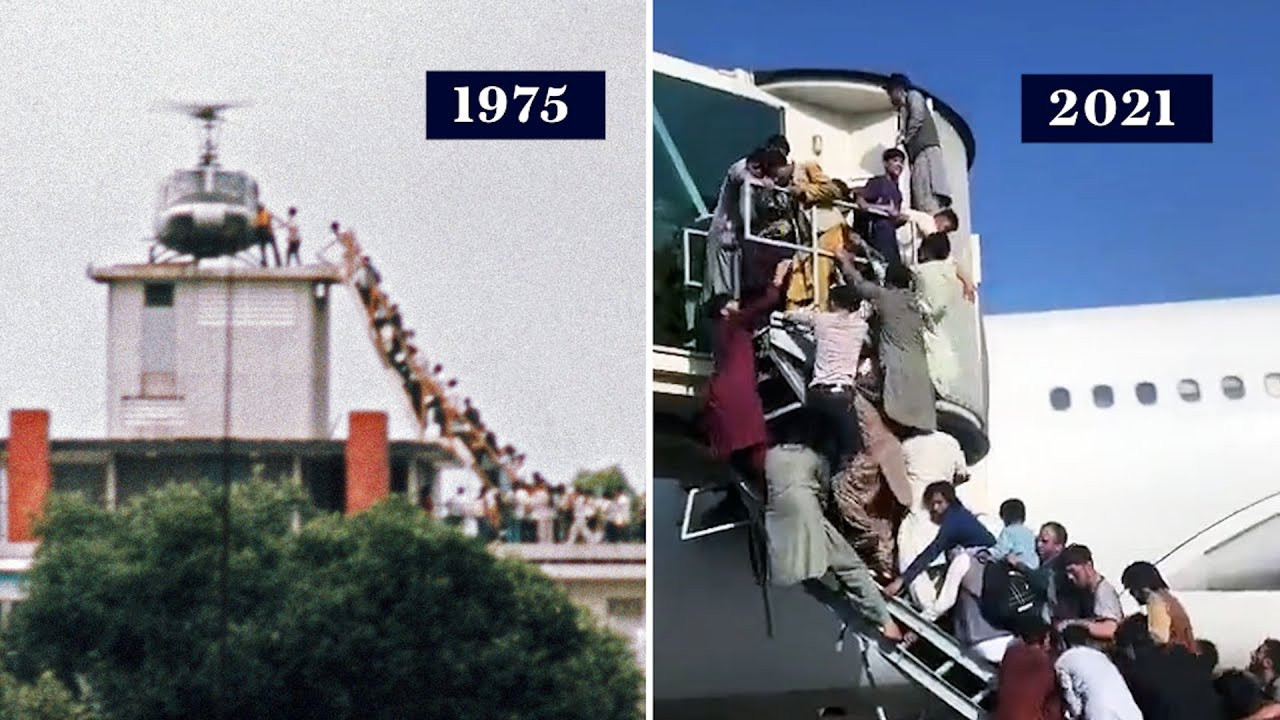
“This reminded me of that situation in Saigon in the 1970s. I was really surprised that a superpower, along with its Nato allies, would get into trouble like this.
“They now control only a small airport in Kabul, not the whole country. They can’t even save the lives of Afghans who worked for them, but America wanted to save the lives of all Afghans,” Moheb said.
Reports have been also been rife of Afghans trying to flee the country out of fear of reprisals from and general Taliban rule.
However, Moheb, who has family and friends in Afghanistan, said he would not be afraid to go back.
“I expressed my decision on August 15, a day after the Taliban took over, to go back to Afghanistan as soon as possible.
I am not a hero; when I saw that the Taliban did not touch Hamid Karzai, I was no longer worried about going back.”
As for the possibility of refugees coming to Malaysia, Moheb said it should not be a concern due to the distance and the fact that there no Afghans have entered Malaysia in the past year.
He said Malaysia is too far from Afghanistan and that, at the moment, the situation has not deteriorated to the point where thousands or millions of people are desperate to flee.
“We have a small group, around 3,000 to 4,000 Afghan refugees here.
“Further, in the last year, no single Afghan entered here as an immigrant either.” – The Vibes, August 25, 2021