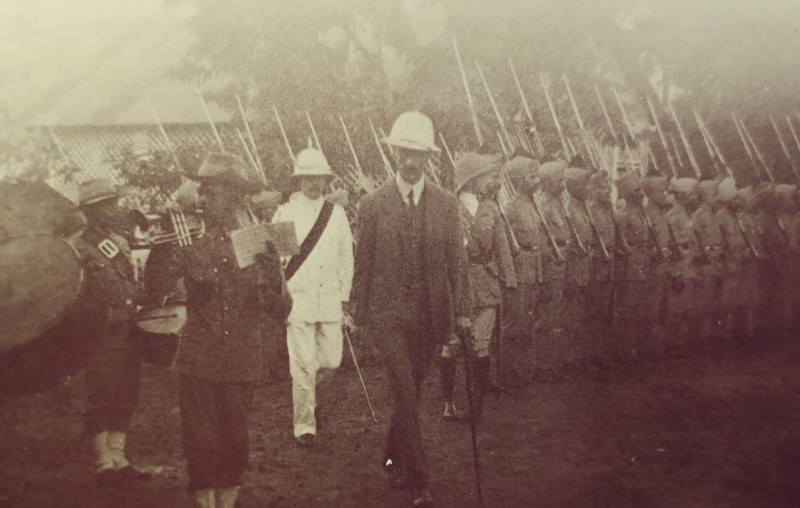
KOTA KINABALU – The fight for Sabah’s independence was often bloody and deadly, with men and women taking up arms against their oppressors to reclaim their land.
Among hundreds of stories, this is one of a man who dared to stand up against the British North Borneo Chartered Company (BNBCC), and later, ignited a rebellion against the state’s colonial masters.
This is the story of Blayong, a Murut chieftain and warrior, whose actions inspired his people to fight as one.
He also inspired other Murut warriors, such as Dato Setia Bakti, Banessah, Semporna Numpal, Tahang Linggam, Melayak, Alisun, Angsukul, Kalur, Ingkun, Singadu, Mulang and Antak.
This led to the Rundum war in 1915, led by Ontoros Antanum in Tenom.
Clashing with the British
BNBCC president Sir West Ridgeway (1910-1926) had taken it upon himself to steer the company as more like a government than just a trading operation – it was about running the affairs of North Borneo, looking after the people’s welfare, as well as profiting from the area’s natural resources.
It was this policy that gave BNBCC much trouble. Ridgeway, who replaced William Cowie, undertook reforms and introduced the Estate Ordinance 1913.
The new law saw many indigenous communities, especially the Murut, subjected to forced labour, where they were ordered to lay roads that cut through hills and thick jungle.
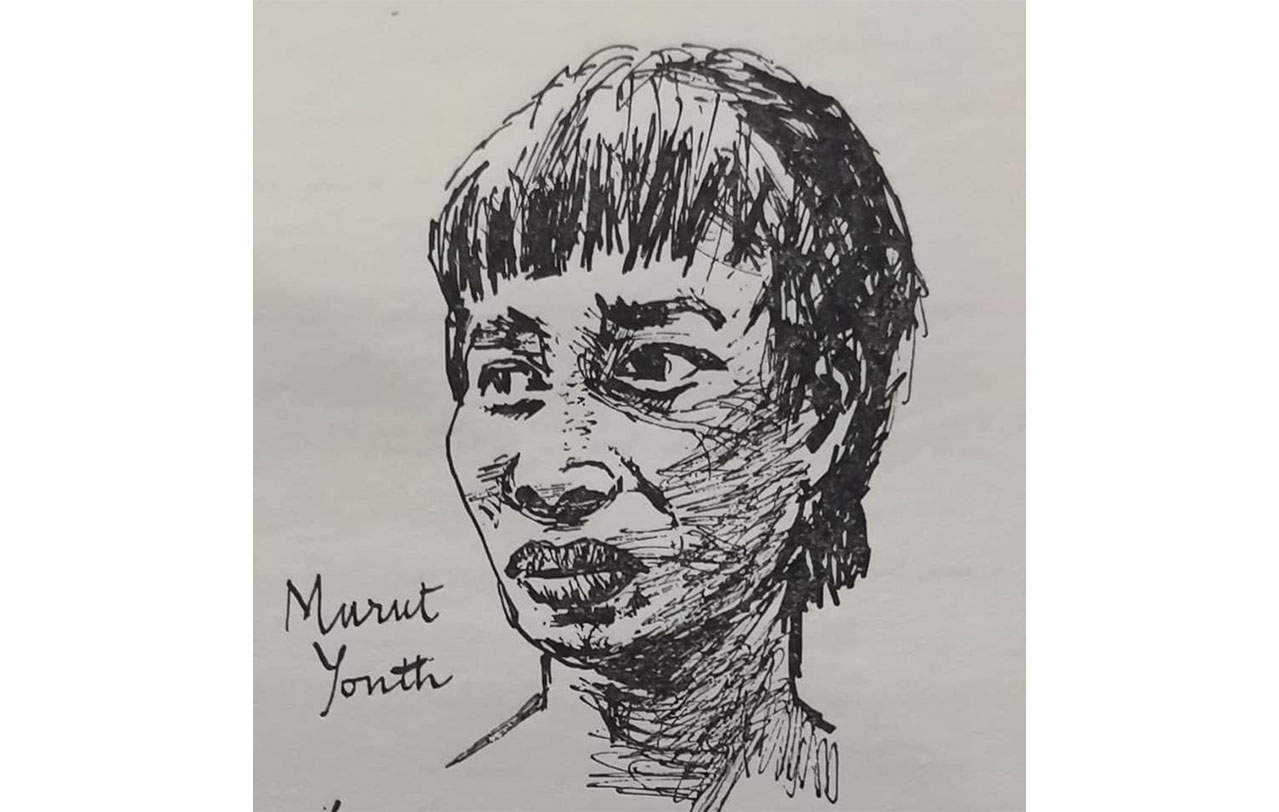
The Murut saw this as disturbing their ancestors’ spirits and upending their way of life. Among them was Murut Tagol chief Blayong.
At some point, Blayong and his men stopped work at a road construction site at a rock hill. They staged a protest and left.
BNBCC viewed this seriously. It targeted Blayong, viewed as the leader of the Murut workers, and tried to make an example of him in its warning not to rally against the British.
Blayong and his followers built a fort at the peak of Bukit Ulu Tagol and collected weapons to fight against the company. BNBCC records showed that the uprising took place between June and July 1914.
Hunt for Blayong
A private letter dated June 9, 1914 from then governor Cecil William Chase Parr to Ridgeway cited the uprising, and said the Murut had been influenced by local merchants from the Kalimantan border, which was under Dutch control.
On June 13 the same year, Tenom Resident H.W.L. Bunbury was instructed to investigate Blayong. The next day, he took district officer N.P. Baboneau to Sg Solidi, accompanied by Dayak police.
They went to a house owned by a Murut man named Siluang and tried to contact Blayong, but failed. On June 15, they set out for Blayong’s fort by way of Sg Mongol and Sg Togol, reaching Bukit Ulu Tagol two days later.
Upon arrival at the fort, they found traps made of sharp bamboo poles. The Dayak police officers opened fire, but most of the Murut warriors were unhurt. As the attacks continued, Blayong and his men had no choice but to abandon their fort.
During the chase, five of his followers were arrested and three rifles seized. A Dayak policeman named Ambutal was killed by the traps set up around the fort.
Later, a Murut police officer named Menandong offered to burn Blayong’s house at Bukit Ulu Tagol while Blayong and his followers crossed Sg Tagol to head to Siluang’s home.
On June 18, the British reached Siluang’s place. They found a white flag outside, while the residence was empty. The next day, they travelled along Sg Tagol to Sg Semakuang, to a village headed by Murut chiefs Semakir and Irohot. To the surprise of the British, the village was abandoned.
This confirmed their suspicions that Semakir and Irohot were not allies. The duo had been seen as unfriendly months earlier.
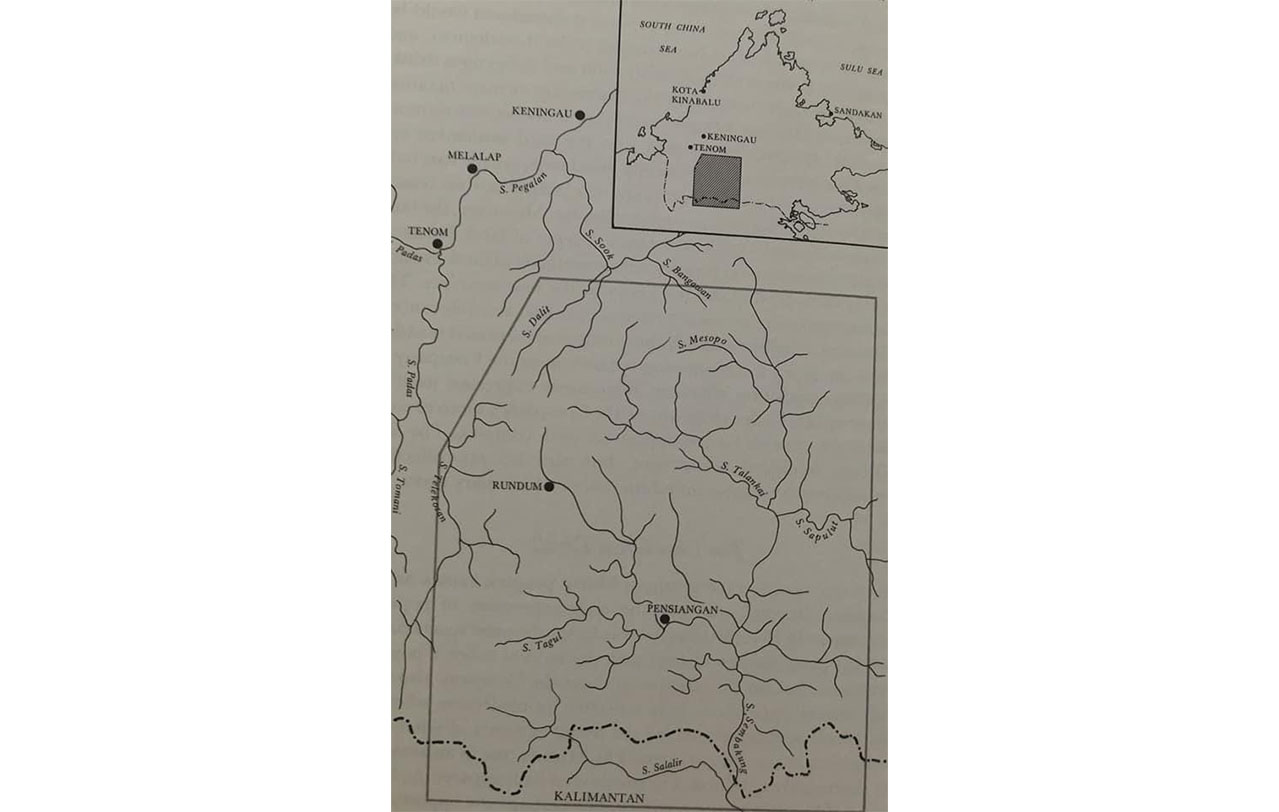
On June 23, the police team led by Bunbury tried to visit Murut chiefs Ansubuk and Sigintum in Sg Sikilu, where they found yet another empty village. From there, they crossed Sg Selalir to reach Kagimbulan, to meet chiefs Sangut, Mukang and Maga.
The British got news that Blayong might be hiding near his fort. Again, he eluded soldiers.
On June 29, 12 Murut chiefs tried to secure a peace deal with the British, but BNBCC records stated that the men were not sincere despite denying being in cahoots with Blayong.
Five days later, the British met Mukang on the banks of Sg Kubu. The chief accused Bunbury of attacking Murut villages.
By then, Blayong was nowhere to be found. The episode fanned hatred among the Murut, especially over the cruel and unjust treatment meted out to locals.
Baboneau wrote that one of the biggest complications after the Blayong incident was that none of the Murut sided with BNBCC.
“The rising is universal, and not a single village or even individual is loyal to the government.”
Not long afterwards, the Murut’s clash with the British reached its climax in the Rundum war, where Antanum cemented his place in the history books. – The Vibes, September 4, 2021
From the collection and resources of Shari Jeffri