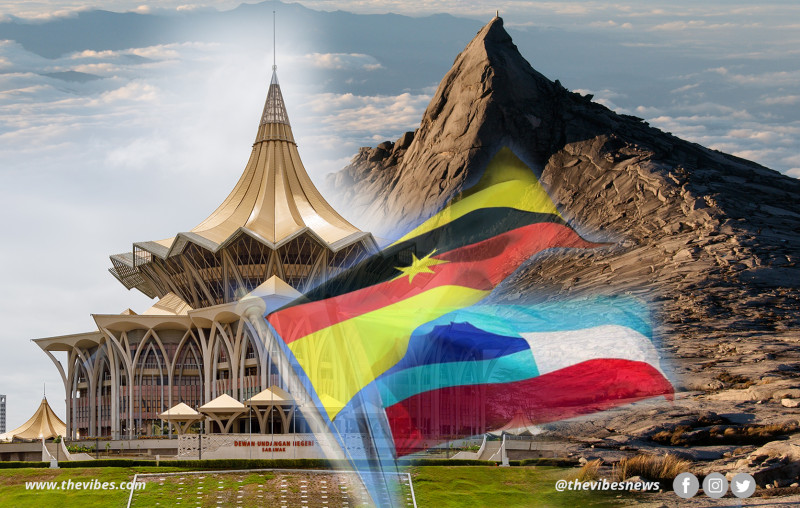

KUALA LUMPUR – Populist moves granting “equal status” to Sabah and Sarawak via constitutional amendments may have grave implications for Malaysia’s sovereignty if not dealt with properly, warned an analyst.
Constitutional expert Datuk Wan Ahmad Fauzi Wan Husain told The Vibes that the Dewan Rakyat must tread carefully when it comes to proposed amendments to ensure the supreme law of the land is in line with provisions of the Malaysia Agreement 1963 (MA63).
The true intent and purpose underpinning MA63’s objective must first be examined within its text and historical context, and further placed in the proper linguistic and legal framework.
Wan Fauzi said suggestions for the Sabah and Sarawak governments to be granted “equal status” with the federal administration can be misleading and may not bode well for the country’s future well-being.
“It is not impossible to attain so-called ‘equal status’ in terms of the territories, since our nation consists of the peninsula and some parts of Borneo, or Sabah and Sarawak.
“But in terms of government structure, Sabah and Sarawak joined the Federation of Malaya to form a supra nation that is Malaysia, and as a result, all states in Malaysia enjoy equal status under a greater Federation, except as otherwise stipulated in the Federation’s constitution.”

Last week, Minister in the Prime Minister’s Department (Parliament and Law) Datuk Seri Wan Junaidi Tuanku Jaafar said the opposition has agreed in principle to a proposed amendment to the constitution, to make it in line with the relevant provisions of MA63, reported Bernama.
He also said Dewan Rakyat Speaker Datuk Azhar Azizan Harun has been informed about the tabling of the amendment for first reading on October 25 and second reading three days later.
He added that Sarawak’s proposal for a redelineation of parliamentary constituencies in the state will be discussed with Putrajaya soon, and the matter is expected to be resolved by 2023.
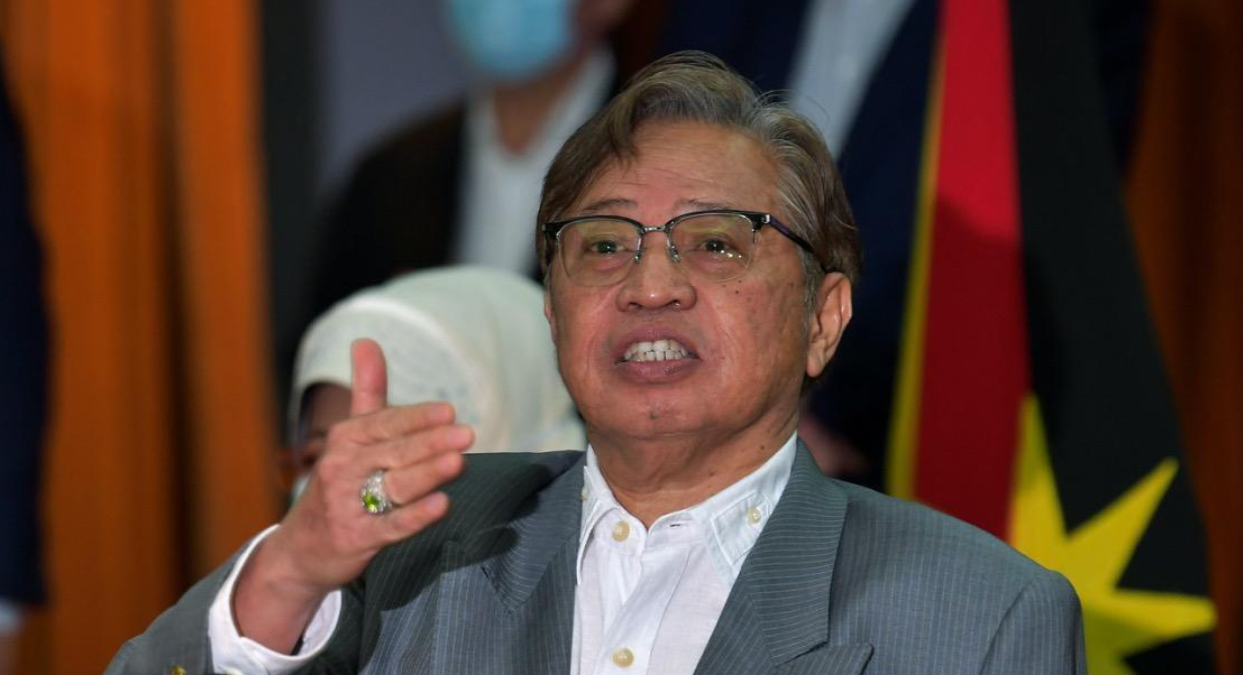
This came after Sarawak Chief Minister Datuk Abang Johari Openg called for Sabah and Sarawak seats to be increased to more than 30% from the current 20% allocated in the 222-seat Parliament.
On Saturday, Wan Junaidi said children of mixed marriages between Sarawakian Bumiputeras and non-Bumiputeras or foreigners can look forward to getting Bumiputera status, with the Dewan Rakyat expected to pass constitutional amendments towards this end this month.
He said this group makes up about 30% of the state population, and that the idea is modelled after Sabah’s Pribumi concept.
Wan Fauzi said while it should be a “welcome” move to include other native groups within the definition of “Bumiputera”, the Dewan Rakyat must scrutinise other proposed constitutional amendments, especially when they involve alterations to the present structure of the federal administration and its sovereignty.
He said after Malaya received new partners Sabah and Sarawak, the Federation was named Malaysia.
“On the other hand, the equal status touted by certain groups can exist if the relation of the Federation of Malaya with Sabah and Sarawak is forged like the European Union, in which there are different Parliaments for the territories involved.
“Briefly put, having equal status with the Malaysian government can be attained only according to the EU model.”
Today, he said, the peninsula, Sabah and Sarawak are states under the Federation of Malaysia, with a federal government represented by some parliamentarians from all territories.
Those who struggle for this ‘equal status’ must be clear on their demands. Do they want a model similar to the EU to replace the present structure of the Federation, and more in line with MA63 as understood by the leaders involved in negotiations for a ‘greater Malaysia’?
“All quarters must be cautious and responsible when it comes to demands for ‘equal status’. Not all issues should become political campaign material.
“If there is any term stipulated in MA63 that has been left out of the federal constitution, then the issue should be looked into and wisely dealt with.”
All quarters must accept that all states previously under the Federation of Malaya, formed on February 1, 1948, have individually become an integral part of Malaysia since September 16, 1963.
“Therefore, there should be no ‘higher’ status accorded to the different states other than what is stipulated in the constitution.
The allocation of parliamentary constituencies must be based on the ‘number of voters’ formula and not special status accorded to any state, as all states are equal in the eyes of the constitution.
“Article 161E imposes restrictions on amending the special provisions accorded to both Sabah and Sarawak. Those amendments require the consent of their respective Yang di-Pertua Negeri. The two-thirds majority alone doesn’t suffice.” – The Vibes, October 19, 2021







_Datuk_Rusdi_Mohd_Isa._Facebook_pic..png)