
GEORGE TOWN – The current acute shortage of workers in the hospitality industry is a firm reminder that the Human Resources Ministry needs to revamp the Employment Act 1955 to deal with present challenges involving the post-pandemic labour workforce.
Veteran unionist K. Veeriah said the legislation needs to be fine-tuned to better address workers’ healthcare as the country heads towards the endemic phase of the Covid-19 situation.
“What happens to workers who contract Covid-19? Healthcare insurers must also be involved. What if there are lingering side effects of suffering from the virus? What sort of coverage is involved if the worker was working from home throughout the period?” he asked.
He said workers’ rights need to be significantly highlighted in employment contracts, including for mid-level executives.
“There is also now the growth of the digital economy and the preference of the millennial worker to opt for entrepreneurship instead of working for employers, who are struggling to provide quality wages amid rising living costs,” he said.

The long-serving Penang Malaysian Trades Union Congress secretary said the present shortage of workers hampering hotels from reopening fully is due to many hoteliers having trimmed their workforce at the height of the Covid-19 pandemic.
“After letting go of workers, the same hotels want to rehire and worse, they can only afford to hire the young and inexperienced.
“After serving for decades, seniors were let go because of high wages. The pandemic struck and in a short while, people were forced to leave when their salaries were cut substantially.
“There was no reward for loyalty. And now, they want them back (but) many workers who were retrenched in the middle of a pandemic will think twice about going back to the same situation,” he said.
New age, new rules needed
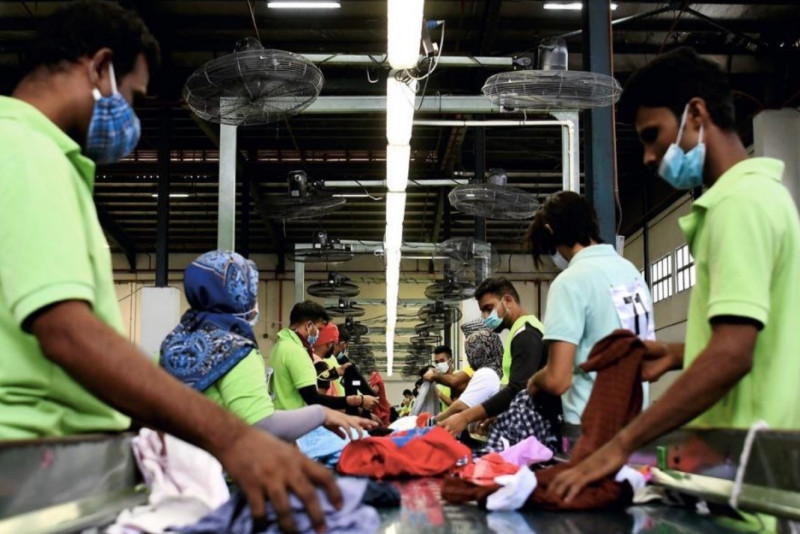
Veeriah said it is likely that those who were retrenched will never return to the hospitality or tourism industry, having found security in the manufacturing and digital sectors, or gig economy work, such as ride-sharing and food-delivery services.
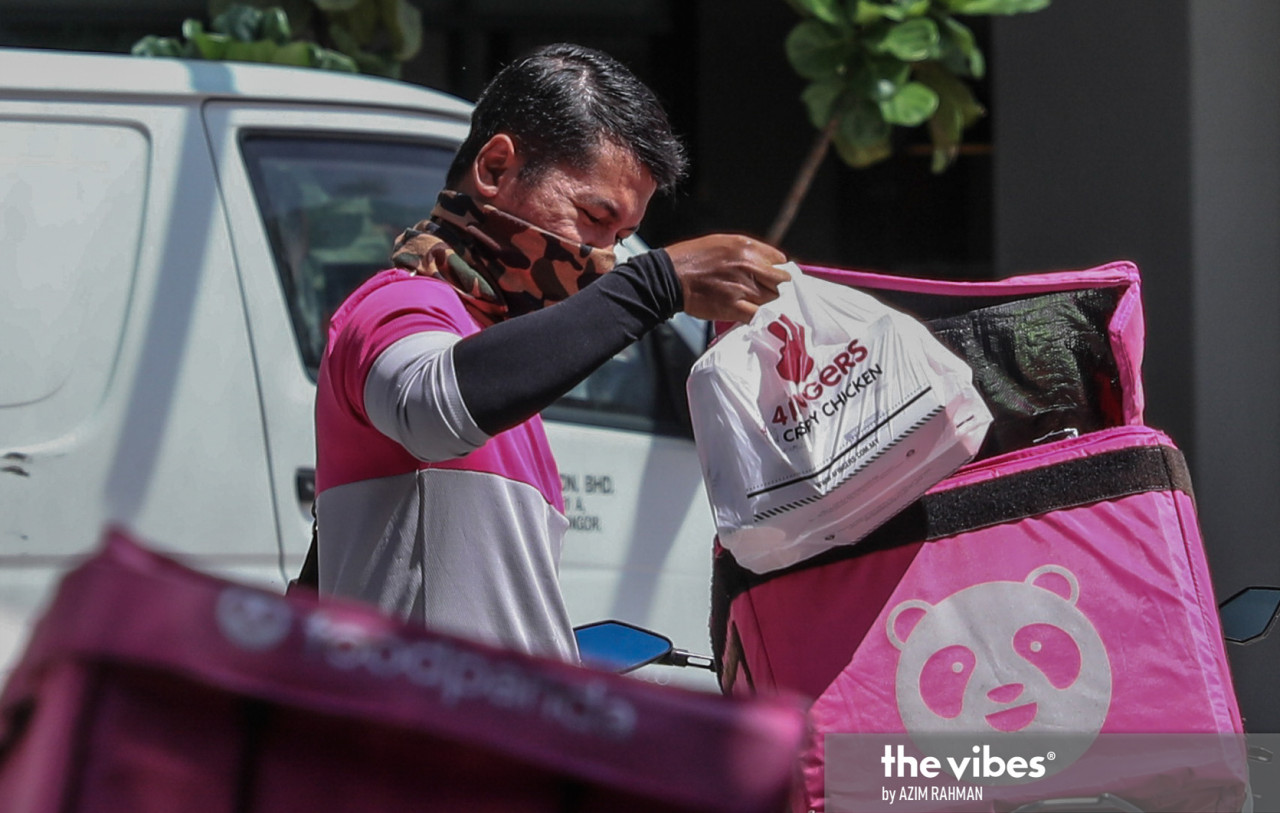
For these reasons, Veeriah said the Employment Act, which was drafted 66 years ago, needs to be revised to reflect the present situation.
Veeriah said a large pool of public sector workers also means the private sector has failed to play its role as a major employment engine, with a sizable number of them choosing to hire foreigners rather than locals.
He said the minimum wage also needed to be revised from the present RM1,200 to between RM1,600 and RM2,200 to reflect the rising cost of living, said Veeriah.
“All factors combined make a strong case for the Employment Act to be revamped by providing more protection for workers and options for employers to alleviate burdens on their business operations should another pandemic wave hit the country.
“Fringe benefits should also be reflective of the current living costs.
“If we say the economy is faring well, then why are workers opting to work in labour-intensive jobs overseas, such as picking fruits, rather than doing the same thing back home?
“It is because of the fringe benefits; if it pays well, I am confident that Malaysians wouldn’t mind working 3D (dirty, dangerous and difficult) jobs.” – The Vibes, October 20, 2021
Additional reporting by Arulldas Sinnappan