
KUALA LUMPUR – The Consumers’ Association of Penang (CAP) has urged for a ban on bottles containing bisphenol A (BPA) after research showed high levels of toxicity in Malaysian water bottles.
In a study conducted between CAP and the International Pollutants Elimination Network, nine polycarbonate bottle samples were found to contain between 0.3 to 5.8ppb (parts per billion) of BPA.
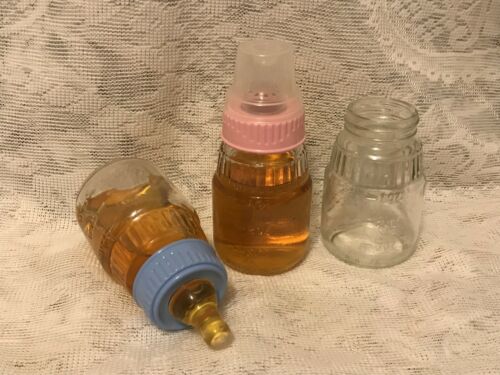
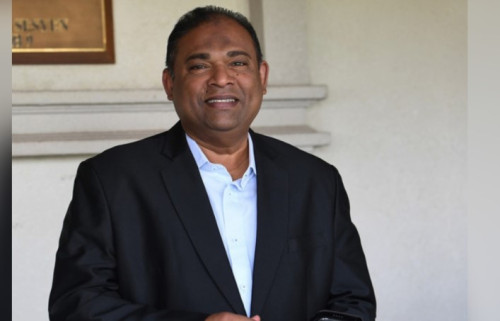
According to CAP president Mohideen Abdul Kader, a made-in-China baby-feeding bottle used as a sample contained 2.6ppb of BPA but had a “BPA-free” label.
“The product thus not only violated the Food Regulations 1985 but also the Trade Description Act 1972,” he said, adding that there needs to be strict rules for labelling toxic chemicals in consumer products.
In March 2012, Malaysia had enforced a ban on polycarbonate bottles due to the harm that BPA might have on infant hormone systems.
Despite the ban, however, the association claims that many Malaysian products still contain an unsafe amount of BPA and are mislabelled as being BPA-free, which may put parents and their babies in danger.
He added that exposure to BPA may lead to several health effects including cancer, fertility disorders, diabetes, and sexual dysfunction both in men and women.
“Exposing our children to endocrine disruptors such as BPA will affect their development and so it should be avoided at all costs.”
Mohideen also provided some suggestions for consumers to lessen their exposure to BPA such as using infant-feeding bottles made of glass, using metal or glass water bottles, avoiding canned food, using glass food storage containers, and throwing away old and scratched plastic bottles. – The Vibes, February 21, 2022


.jpg)