KOTA KINABALU – Muda has yet to officially break into the political scene in Sabah, but the youth-based party is already making its presence felt in small communities and social discourses on local issues on online platforms.
The party’s Sabah chapter started off with only about six followers, but the number of registrants has now grown to approximately 3,000.
Most are young adult professionals aspiring for a better Malaysia.
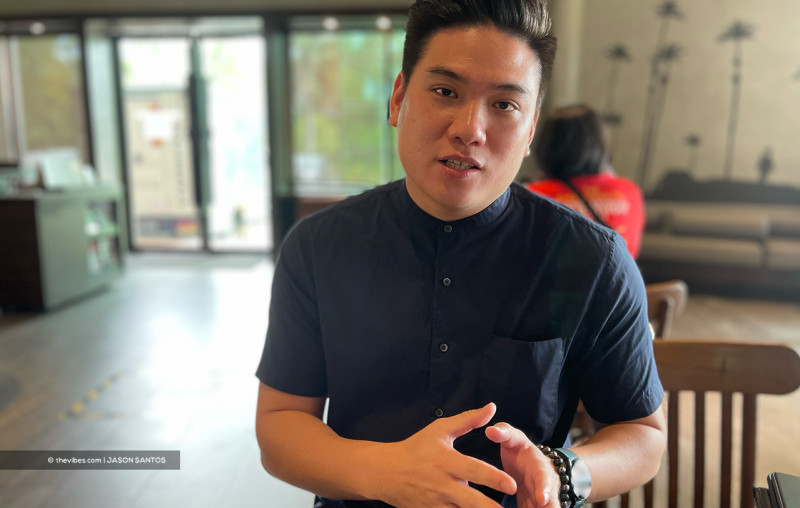
When the party was finally launched in Sabah, its state chief, 33-year-old businessman Amos Thien, hoped that Muda would resonate with the political aspirations of Sabahans.
While Thien sees the upcoming Johor polls as providing a good electoral opener for Muda, which will see its candidates contesting for the first time, he also feels it will help the Sabah chapter attract more Malaysians to join the party.
In a candid interview with The Vibes’ Jason Santos, Thien spoke about his credentials and what he envisages Muda can do for Malaysians in Sabah.
Jason Santos: Can you tell us a bit about yourself?
Amos Thien: I am 33 years old and a Kota Kinabalu local. I went to SK Anglo Chinese for primary school and continued my secondary education at SMK Kota Kinabalu. I proceeded to take my bachelor’s degree in interior architecture and design at KBU (now known as First City University College) in the nation’s capital.
Upon graduation, I worked for Shell Downstream for a bit before starting my own gym and fitness establishment. I am into the food and beverage business around Kota Kinabalu.
JS: What called you to enter politics and jointly form Sabah Muda?
AT: I was actually called in to join another party before this. But I didn’t quite find my calling with that party, although I have this deep sense of fighting injustice and serving my community.
When the Sheraton Move happened, I watched the events unfold slowly, and the actions of Muda president Syed Saddiq Syed Abdul Rahman had me thinking.
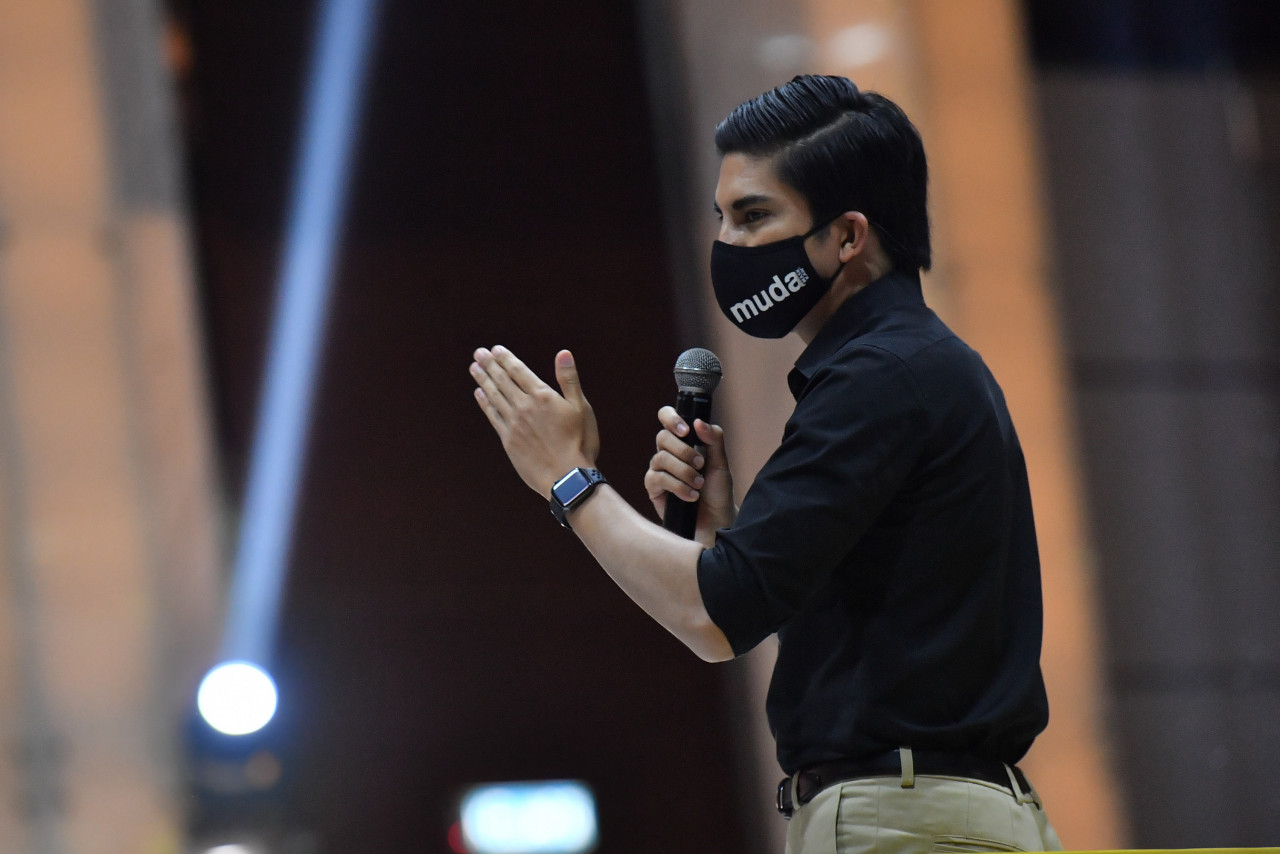
The Muar MP was seen as divided between either staying on in Bersatu and sticking on with party president Tan Sri Muhyiddin Yassin, or following his mentor former prime minister Tun Dr Mahathir Mohamad.
Instead, Syed Saddiq decided to pave his own political movement with a team of diverse and young leaders throughout Malaysia to form Muda, knowing it was not going to be easy to penetrate and disrupt the political scene in Malaysia. And this really did inspire me.
Muda got its registration cleared through a court decision, which was not an easy road. But still, Muda persevered. This was what got me to start my political journey.
JS: A launch is on the cards, so what is the plan?
AT: Yes, we do have a launching plan on the cards. At this point, we are looking at holding a Muda tour of Sabah, first thing after the Johor polls in March. Meanwhile, some of the party leaders have taken time off work to tour the state.
But I have one concern. The 15th general election (GE15) can be called at any time. While I still see that it could be held early next year, our launching programme could be disrupted if GE15 is called this year. This means all the work planned would be expedited, and the launching might be done before polling day.
JS: With so many political parties in Sabah, how do you think Muda would win the hearts of Sabahans?
AT: Sabah is a unique place where all races live in harmony. This is what makes Sabah special and what resonates with Muda’s struggle. The younger generations want a harmonious society and the opportunity to excel in their endeavours, and Muda also wants these dreams to be realised.
As one of the leaders of Sabah Muda, I want to ensure the aspirations of today’s generations can be realised.
JS: Can Muda appeal to Sabah voters?
AT: Muda is a fresh party with leaders free of political baggage, although our abilities have not been tested. Therefore, our potential has not been fully explored. But one thing is for sure – our intentions are genuine and certainly not corrupted. This is what we want to offer to Sabahans, if they do so wish for something fresh, new, and clean.
Sabah Muda is made up of a diverse team of young and energetic leaders, from technocrats to students, who only want the best for Sabah and Malaysia. Most of us do not have any political background, and our families are not even in politics themselves.
We also place great interest in the future and are concerned about matters like education, economy, and a corruption-free Malaysian society. This is in the hopes that one day all Malaysians can proudly call Malaysia their home – which isn’t so right now, with all the political upheaval, corruption, and other injustices in the country.
Also, Muda, unlike some other national parties, recognises the equal status of Sabah and Sarawak in the Federation of Malaysia.
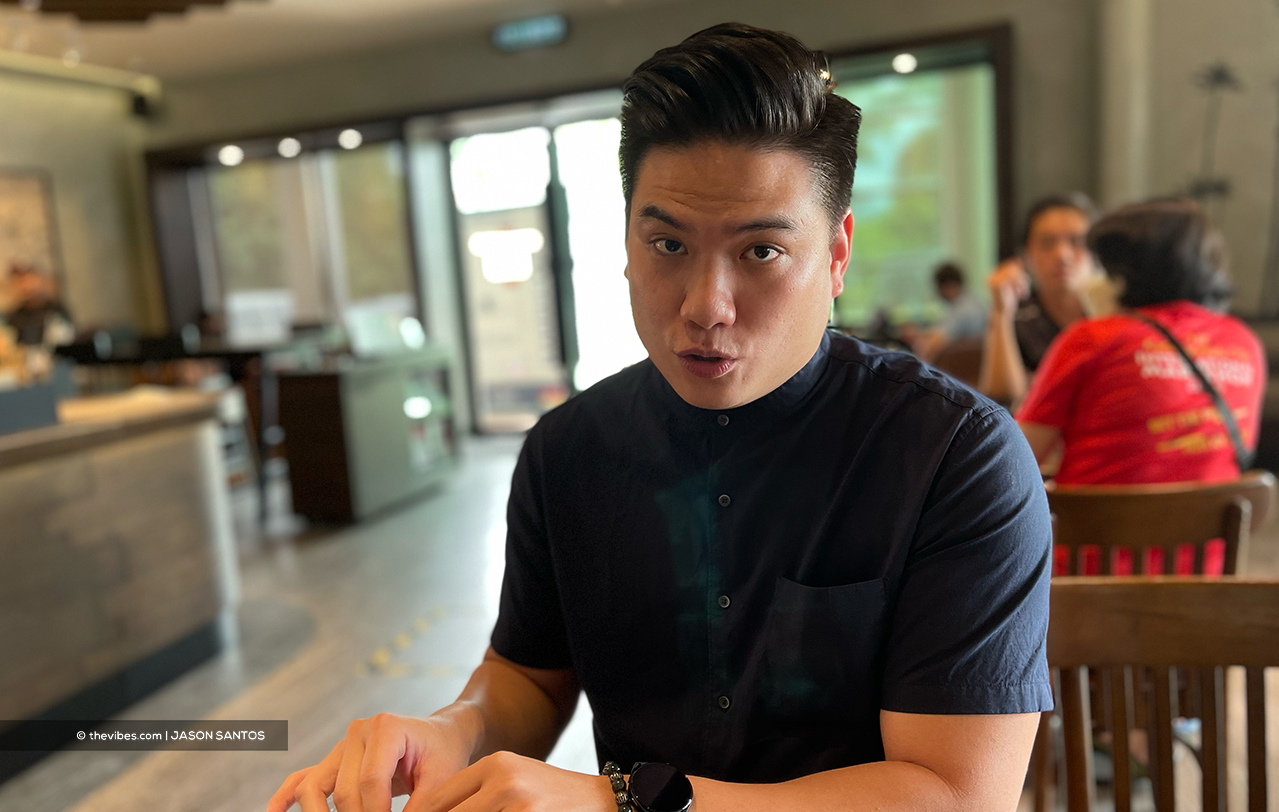
JS: What challenges has Muda faced up to this point?
AT: Since 2020, we have been actively involved in serving the people who are facing difficulties due to the Covid-19 pandemic and the flood disasters.
We were doing this via “politik khidmat” (politics of service), where members are constantly on the field helping the communities. At the time, we were just a movement, as our party was struggling to be registered. Our good work had gone unnoticed, actually. But that is all right. We can rely on social media.
From there, we build our presence slowly, and hopefully, one day, our good work will soon get the attention it truly deserves.
JS: Do you foresee the young people in Muda able to make a change?
AT: The answer is a very convincing “yes”. The young are the most driven, especially in paving a better future for ourselves and also our children. This is what drives us in Muda – to be good individuals. Most of us are in our 20s and 30s and wish to make Malaysia great. That’s our constant motivation, although we face scepticism from our seniors.
But it’s time for good people to stop shying away from and avoiding politics. I must say that if good people don’t dive into politics, then politics will continue to be filled by crooks.
JS: Can Muda tip the political balance in Sabah?
AT: From membership registrations to social media engagement, we have found members and supporters throughout Sabah, be they in urban, semi-urban or rural areas.
I think it is too premature to say if the younger generation can tip the balance of the politics in Sabah despite the voting age having now been lowered to 18 years. There’s always a need to work with the older generations to bring about changes, including in Sabah.
JS: What is the direction for political cooperation for Muda?
AT: Muda wants to work with all opposition parties and respect all the parties in the opposition. We want and are here to build bridges with them.
Our aim has always been about political cooperation and to stand united with our allies. We know that only through a united front can we win the hearts of the people. We want to bring a new way to Malaysian politics, so we will always keep our doors open for talks. – The Vibes, February 23, 2022