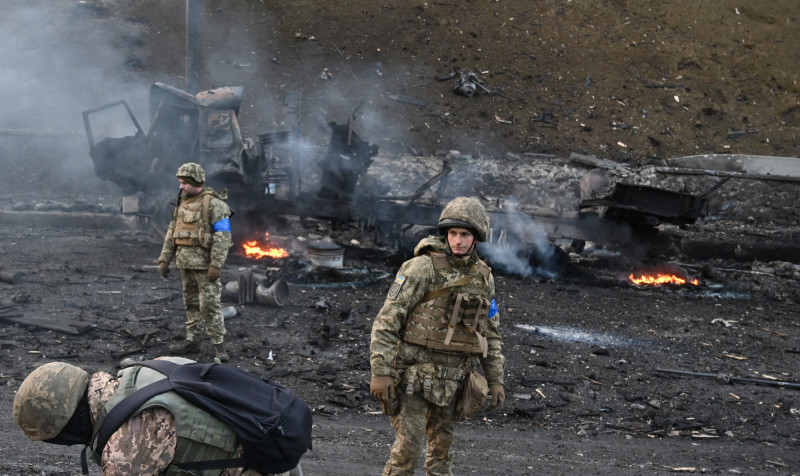

KUALA LUMPUR – Amid growing fears that Russian President Vladimir Putin’s invasion of Ukraine could escalate into World War III, defence and security analysts are not expecting the conflict to devolve into a full-scale global war.
Although about 20 countries – most members of the North Atlantic Treaty Organisation (Nato) and the European Union (EU) – are pouring weapons into the former Soviet territory to help it fight off Russian soldiers, the analysts said none of them have moved to put boots on the ground.
Nato is a defensive alliance of 30 countries from Europe and North America. Ukraine is not a Nato member but it is a partner country. This means Ukraine does not enjoy the security guarantee provided by the alliance’s founding treaty.
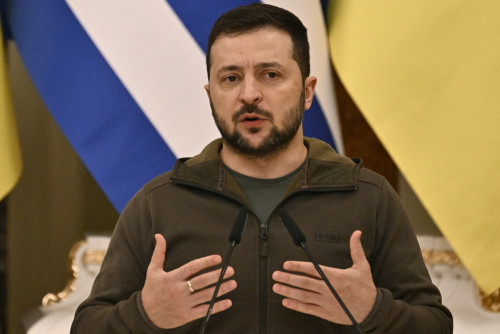
Last Monday, Ukrainian President Volodymyr Zelenskyy had appealed to the EU to immediately allow Ukraine to gain membership under a special procedure as it defends itself from the Russian forces.
According to a report by The Guardian, it is expected that EU leaders will be asked to discuss Ukraine’s application at an upcoming summit.
However, Ukraine would be wise to not bank on what could prove to be more empty promises.
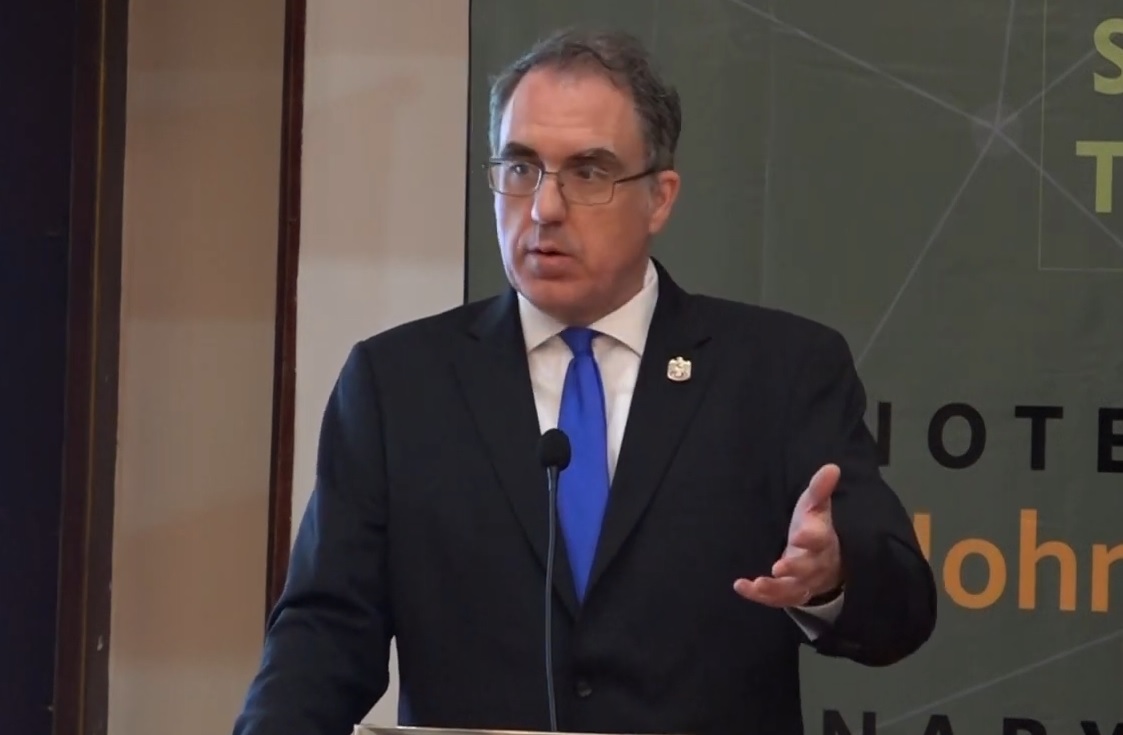
For John Harrison, associate professor of the Homeland Security and Intelligence Programme at Rabdan Academy in the United Arab Emirates, Nato members providing military aid to Ukraine does not equate to European nations being directly involved in the crisis.
“Nato members supplying weapons to the Ukrainian military is perfectly within their purview. There have been reports that the US had supplied Stinger anti-aircraft missiles to Ukraine.
“There is ammunition and other things going into the country but that does not equate to European countries or Nato members being involved in the conflict,” he told The Vibes.
Harrison, who is the internationally recognised political violence expert, said for now, the fighting is only limited to Ukraine and the refusal of Nato members to send in their troops is an attempt to contain the conflict.
However, should Russia, for some reason, attack a Nato member, he said that could catapult Europe into all-out World War III.
“The tipping point for Nato, particularly, would be an attack on its members. That’s the red line. Nato charter says an attack against one ally is considered an attack against all allies.
“If Russia were to attack Poland, Slovakia, Hungary or any other Baltic countries, that would escalate to World War III.”
If Europe is drawn into an all-out war with Russia, he said he would find it difficult to imagine the war would remain contained in one geographical location.
“The implications of that are too horrifying to contemplate and speculate.”
Even seizure of a nuclear plant will not propel Europe into war
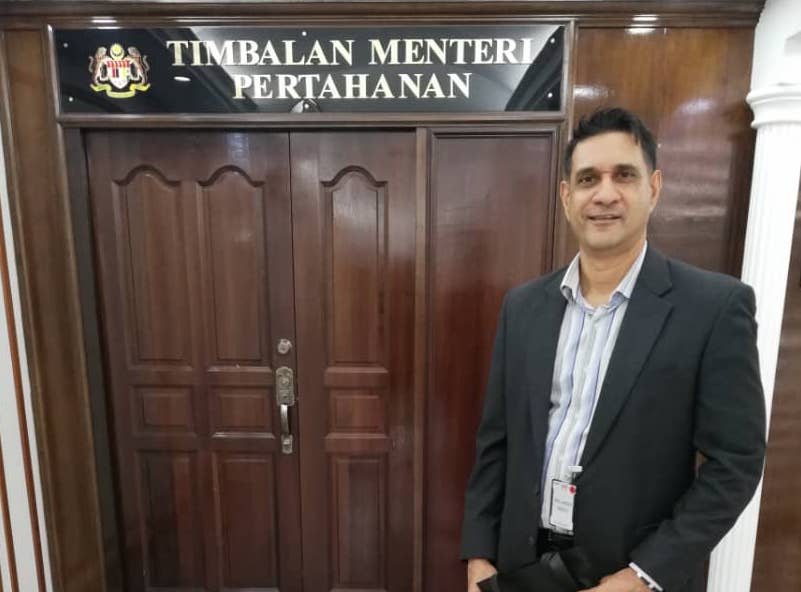
Nordic Counter Terrorism Network director Andrin Raj shares Harrison’s sentiments, saying that the rest of Europe will not be taking up arms against Russia just to stop its attack on Ukraine.
Speaking to The Vibes, Andrin said it will not devolve into a “world war” as the war now is an “invasion” into a sovereign state that did not provoke its opponent.
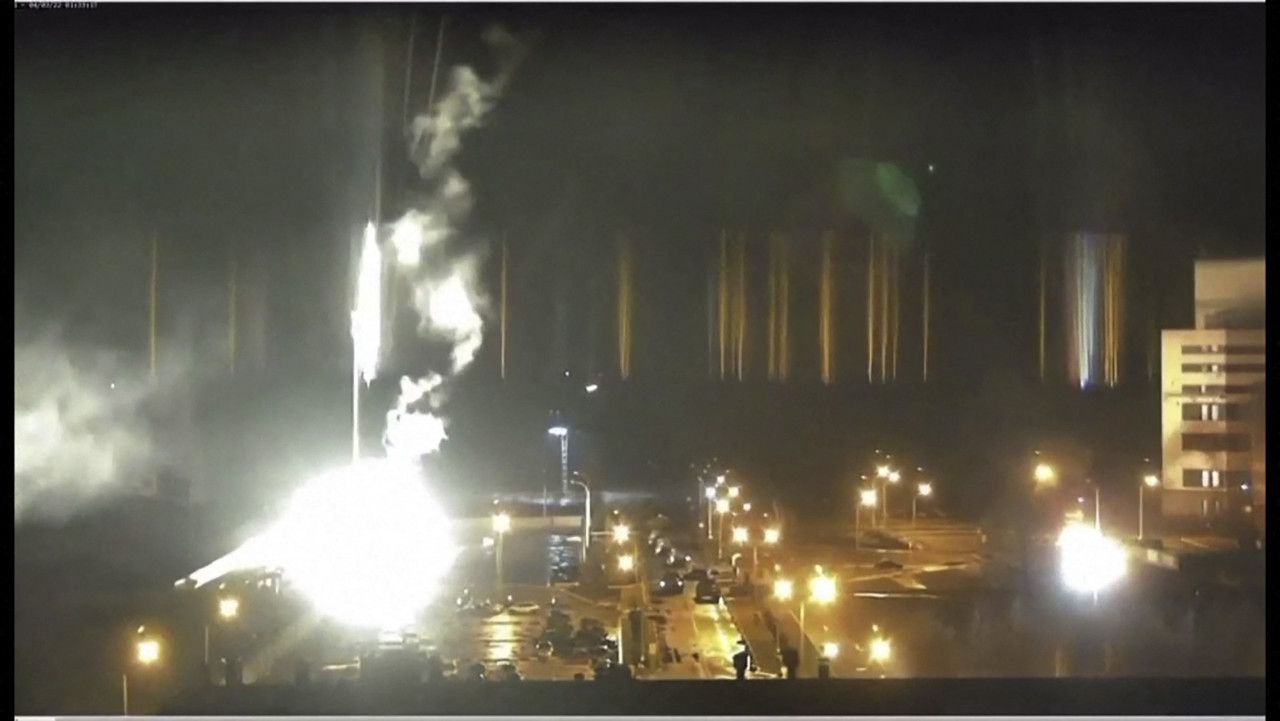
Noting that Russian troops had seized Europe’s biggest nuclear power plant in south-eastern Ukraine, he said this will not propel the rest of Europe into war with the largest country in the world as the risk evidently outweighs the gain.
“In regard to possible nuclear weapons being used in the war, this is highly unlikely as Russia is flexing its arms. There is no win-win for Russia.
“However, chemical or biological weapons may be used as these are easily deployed. But if the attacks were deliberately launched by Russian forces, the precedents of war crimes can be established due to civilian lives at stake,” said the security analyst now based in Helsinki, Finland.
On Thursday, the International Criminal Court (ICC) had launched a war crimes investigation into Russia’s invasion of Ukraine after a number of countries backed the move.
ICC chief prosecutor Karim Khan said he will immediately proceed with an investigation into alleged war crimes in Ukraine dating back to 2013, when protests erupted against a Russia-friendly government in Kyiv.
Potential repercussions of the Russia-Ukraine conflict on other countries
Asked of the impact on other countries such as China, India, Southeast Asia, and the US, Andrin said there will be no major repercussions especially within the Asean region.
However, not the same can be said for Uncle Sam.
“For the US, it will be a major threat in the SLOC (Sea Lines of Communication) waters where Russian and American warships are seen.
“US will need the Senate for it to go to war and it’s unlikely this will be approved.
“Also, the United Nations Security Council, of which Russia is a member, can veto any foreign involvement in Ukraine,” he said.
Meanwhile, Singapore Institute of International Affairs senior fellow Oh Ei Sun said it is too early to tell of the consequences as most of these countries are adopting a strategically ambiguous stance.
“Although most of the nations do not have high trading volume with Russia, many of them have military collaboration with Putin’s country, many of them have military collaboration with Russia, especially in terms of procurement for heavy weaponry.”
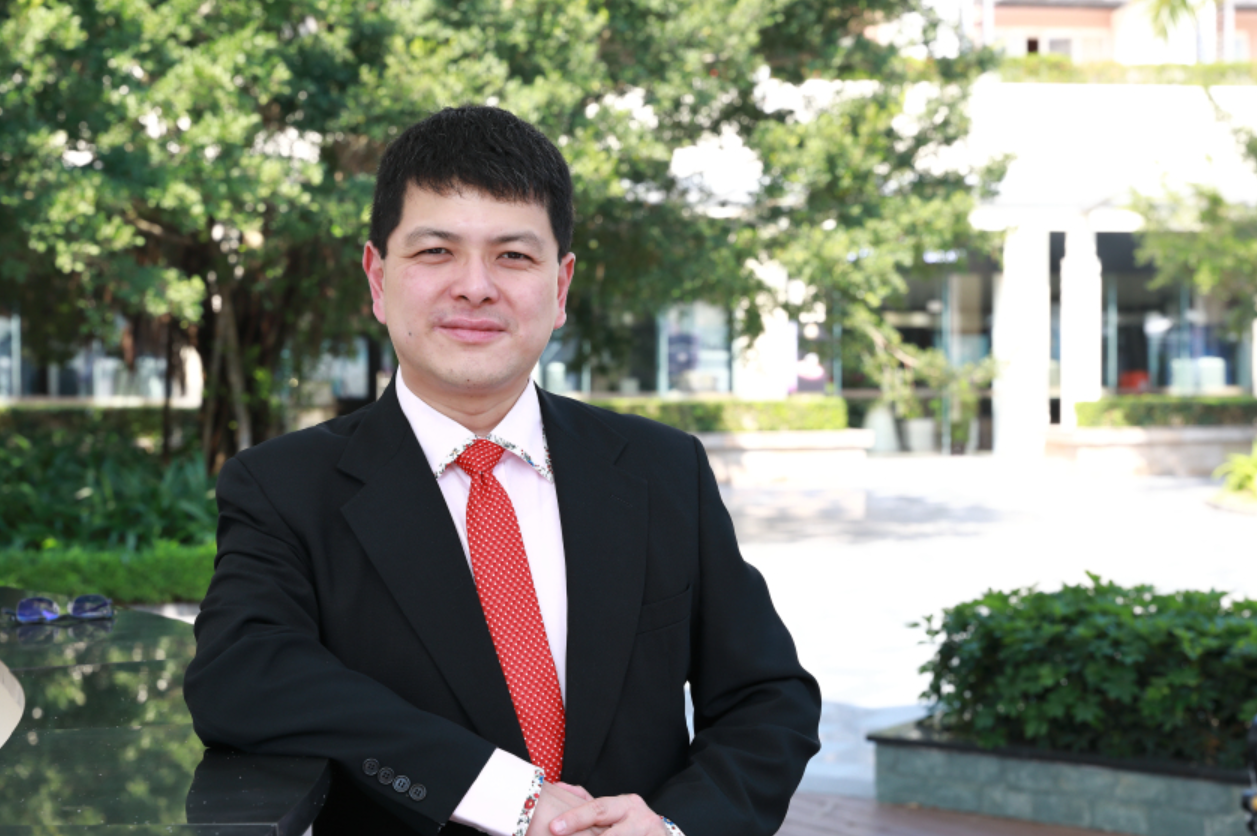
Despite agreeing with Harrison and Andrin that Europe and the US are unlikely to sit back and allow the conflict to escalate into a nuclear standoff, Oh said it appears that the Russians are making preparations for the eventuality of World War III.
“But the Europeans and Americans simply do not have the stomach for such a world war. Putin has ordered Russian nuclear forces to be on high alert, but none of the Western nuclear powers did so.
“Western leaders also repeated ad nauseam that they will not send troops into Ukraine to confront Russia.”
Last Wednesday, Malaysia voted in favour of the “Aggression against Ukraine” resolution at the emergency special session of the United Nations General Assembly.
In a statement the day after, Wisma Putra said the resolution received 141 affirmative votes, five dissenting votes, and 35 abstentions.
It added that while Malaysia may not have agreed to each and every word in the resolution, it still supported and voted in favour of Ukraine.
This is in line with the country’s long-standing position on the need to uphold the principles of sovereignty, independence, and territorial integrity of nations.
Meanwhile, Singapore on Saturday became the first country in Southeast Asia to impose sanctions on Russia over the latter’s threat against Ukraine’s sovereignty, saying Moscow is setting a “dangerous precedent”.
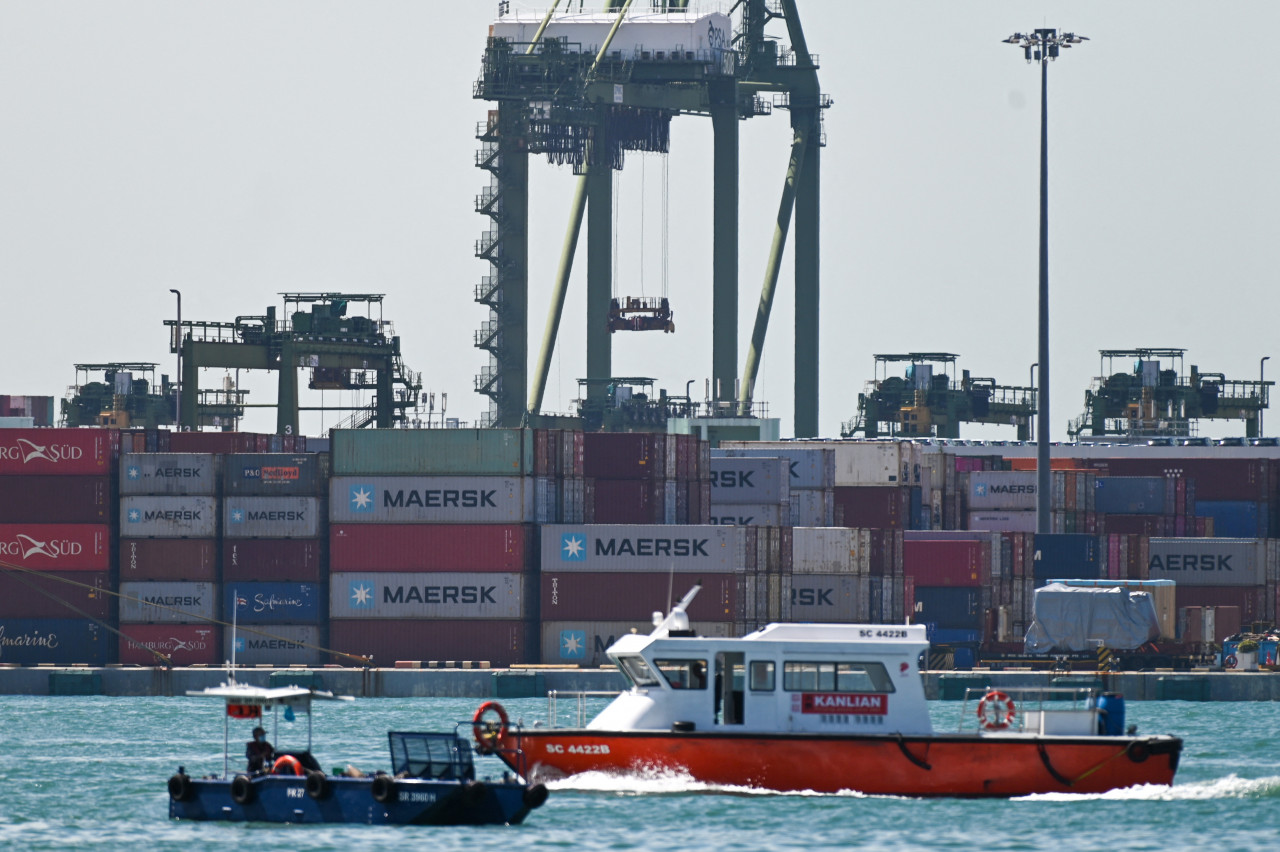
The rare sanctions include export controls on “items that can be directly used as weapons to inflict harm on or to subjugate the Ukrainians, as well as items that can contribute to offensive cyber operations”.
Singapore’s Foreign Affairs Ministry said in a statement that the ban includes the transfer to Russia of all items on the Military Goods List and all items in the electronics, computers, and telecommunications and information security categories of the Dual-Use Goods List.
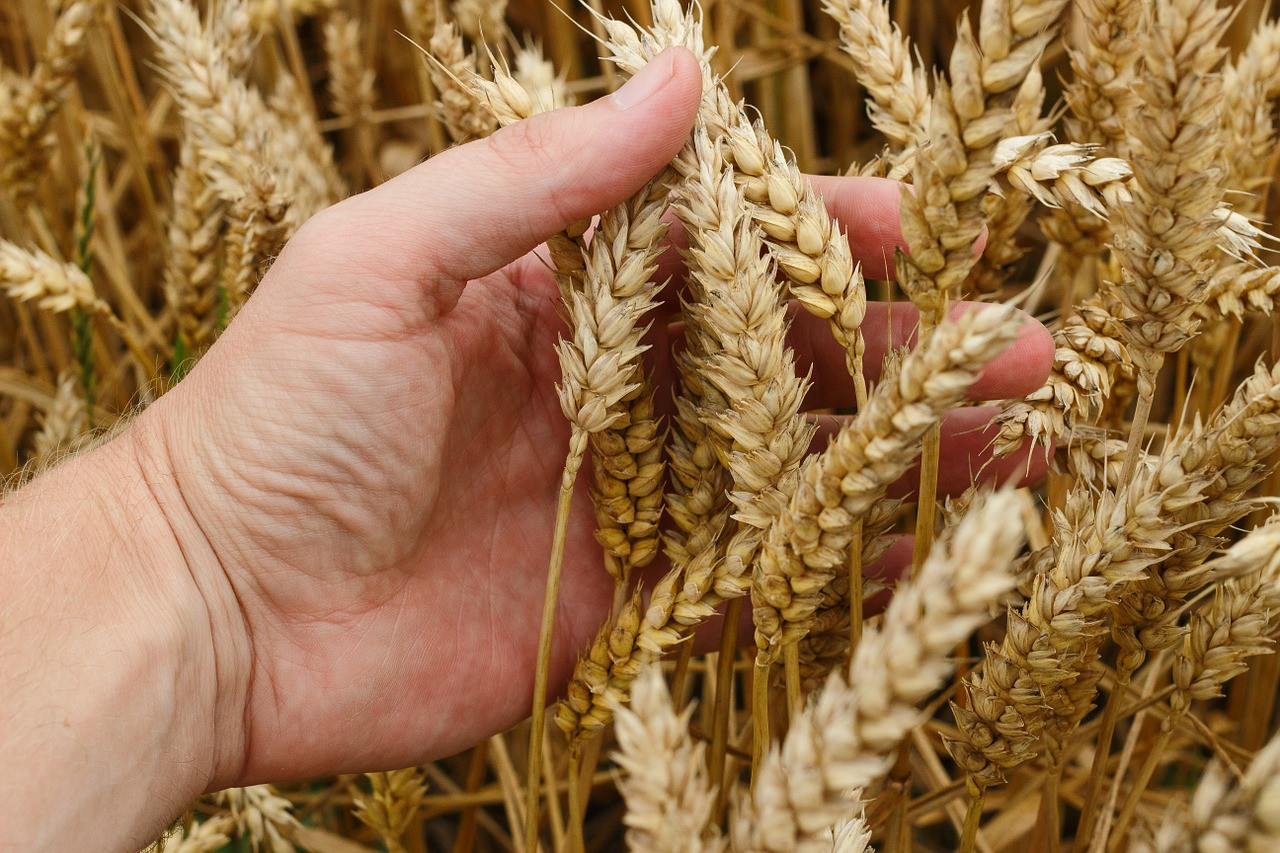
Although it remains to be seen what sort of devastating effects this conflict could have on the world economy, a report by Vox said the war could raise food prices.
This is because both countries are top global suppliers of agricultural products, especially wheat, and disruptions in Russia and Ukraine’s exports will likely have damaging effects, especially in the Middle East, South Asia and North Africa.
For instance, Egypt and Turkey rely largely on Ukraine and Russia for 70% of their wheat supply, while 95% of Ukraine’s wheat exports went to Asia (including the Middle East) or Africa in 2020.
On February 26, Deputy Agriculture and Food Industries Minister II Datuk Nik Muhammad Zawawi Salleh said the escalating conflict between Russia and Ukraine would not adversely affect national food security.
He said the conflict would not directly affect food supply since Russia and Ukraine were not Malaysia’s target for imports and exports, including agricultural products, and highlighted the countries’ distance from Malaysia.
“They are not major export or import countries for Malaysia. If we cannot carry out export and import with these two countries, we can switch to other countries. In fact, to date, we depend a lot on China and Thailand,” he said. – The Vibes, March 7, 2022


.jpg)