.jpg)
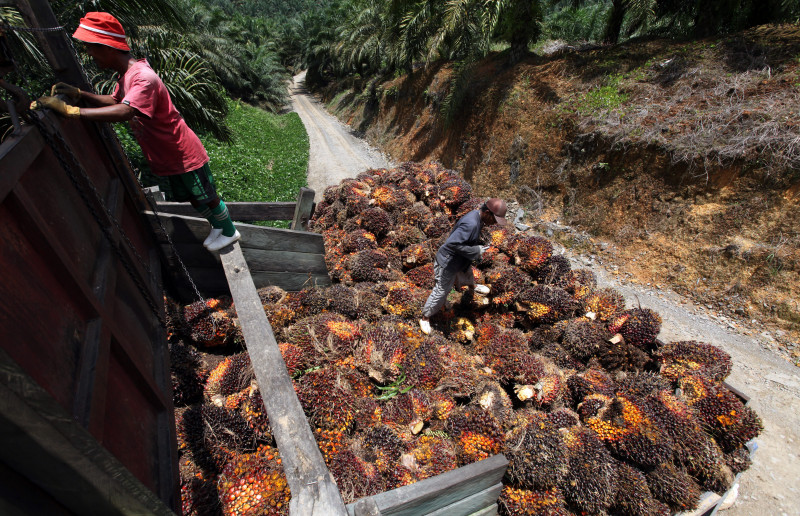
KUALA LUMPUR – Insufficient number of labour inspectors coupled with an abundance of operators was identified as one of the main problems bogging efforts to weed out forced labour within the plantation industry.
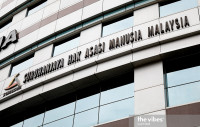
The Malaysian Human Rights Commission (Suhakam) commissioner Datuk Mah Weng Kwai said the Human Resources Ministry admitted that they were understaffed in that department, with less than 500 personnel tasked to monitor forced labour abuses.
“One thing for sure is no one is in a state of denial, no one is saying there is no such thing as forced labour and there is a recognition of the problem.
“Even the ministry said they do not have enough labour inspectors to check on this problem. They said they have a small figure of 400, so it involves the issue that there is not enough manpower on the ground to actually go out and monitor the companies.”
Mah made these comments during a virtual press conference, following the Stakeholder Consultation on Forced Labour Issues in the Plantation Industry roundtable discussion held earlier this morning.
Adding on was fellow Suhakam commissioner Jerald Joseph, who warned that despite the ministry working alongside police and its anti-human trafficking and anti-migrant smuggling departments, corruption among enforcers could end up being counterproductive.
“Corruption and corrupt practices will only add on to the gaps of how these labour practices and recruitment processes are being conducted,” he said.
Other issues pointed out by Mah include the shady dealings and agreements surrounding recruitment fees either charged by companies here or those in supplying countries, resulting in long-term debt bondage for the workers.
He suggested that companies looking to hire foreign labour should be footing the recruitment fees instead of passing on the costs to the employees.
“Some companies do pay for the recruitment fees, but some make the workers pay for it, which can be quite exorbitant, and it is not uncommon to hear about workers spending months to pay off the fees.
“The objective is to ensure these recruitment fees are borne by the companies, and if at all workers have to pay any part, it should be fair and reasonable.”
Jerald said agreements or memorandum of understandings made between governments concerning imported or exported labour should also be made public to allow transparent policies.
“This is so that the workers, from their home village, right up to the agency know what is required, and should any form of cheating or abuse take place, the right people can take action,” he said.
Additionally, Mah said more cases of forced labour and such abuses being brought up for prosecution in courts can also act as a deterrent to others.
He said to date, there have only been a handful of cases that have led to prosecutions involving forced labour in the plantation industry.
“Perhaps when investigations increase, and penalties are properly imposed through prosecutions in court, I think, that will definitely help to mitigate the problems and enhance the solutions for these cases,” he added.
Today’s roundtable discussion also included other non-governmental human rights organisations, representatives from the Human Resources and International Trade and Industry Ministries, along with stakeholders and business owners from the plantation sector. – The Vibes, March 10, 2022